Collection: Vital Signs Monitors - VSM

Patient Health Monitoring Solutions

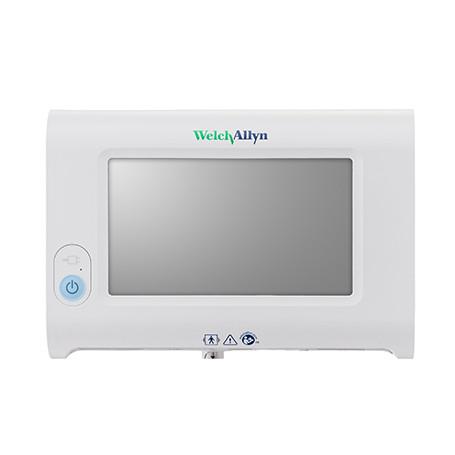
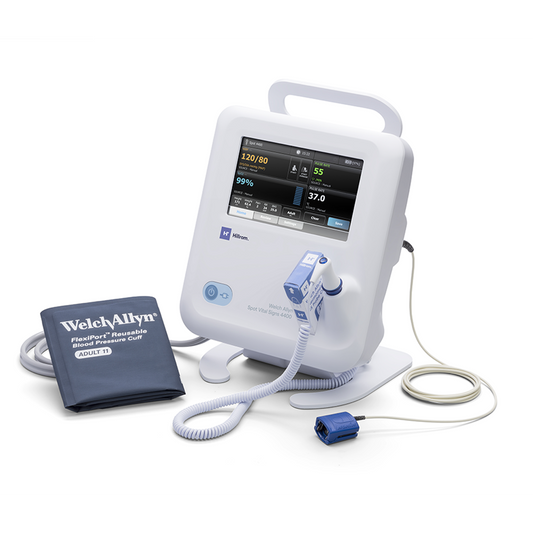
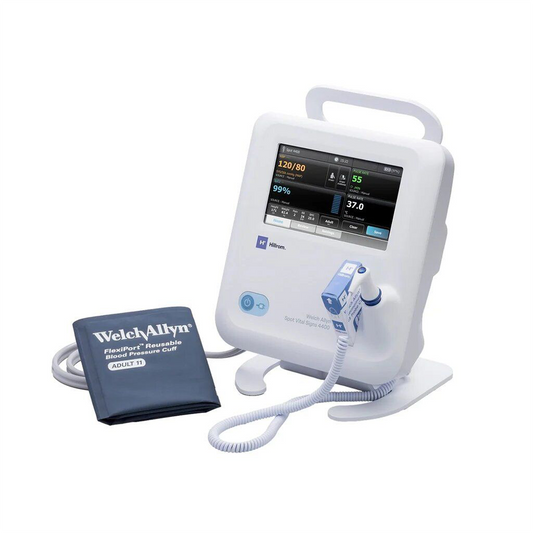
Advanced monitoring systems designed for accurate measurement and continuous tracking of essential patient vital signs. Our collection features medical-grade monitors from trusted brands, including Welch Allyn and Edan ranges, with precise sensors and reliable data capture for comprehensive patient assessment and care.

Multi-Parameter Monitoring - Blood pressure, pulse, temperature, and SpO2 measurement in integrated systems

Trusted Brand Options - Choose from reliable Welch Allyn and Edan monitoring solutions

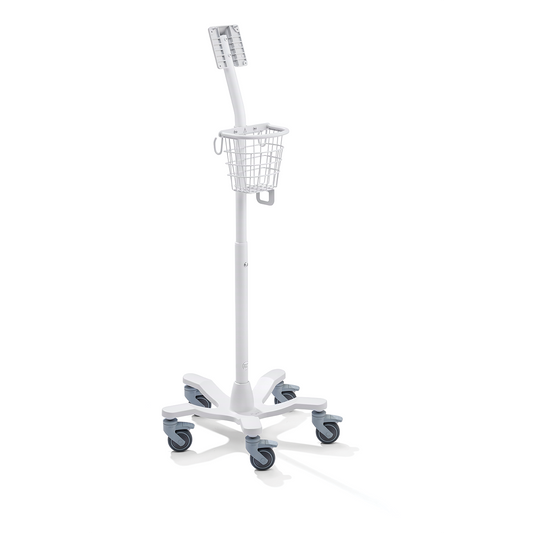
Portable to Stationary - Compact handheld units to full-featured bedside monitors for any setting

Data Management - Digital displays, memory storage, and connectivity options for patient record integration

Professional vital signs monitoring, ensuring accurate patient assessment and comprehensive healthcare delivery with industry-leading brands.

Filter and Sort

Filter and Sort

10 of 10 products

Price

The highest price is

$
$
Brand

10 products

All Vital Signs Monitors - VSM

FAQ's

A vital signs monitor is a medical device used to track and measure essential body functions such as heart rate, blood pressure, respiratory rate, oxygen saturation (SpO2), and temperature. These measurements provide real-time data on a patient’s overall health and help healthcare professionals detect and respond to changes in health status.
Vital signs monitors are crucial for continuously monitoring a patient’s health, especially in emergency settings, intensive care units (ICUs), and during surgeries. They help detect any abnormalities or life-threatening conditions in real time, allowing healthcare professionals to intervene quickly and make informed decisions about patient care.
Vital signs monitors come in several configurations, including multi-parameter monitors, which measure multiple vital signs simultaneously, and single-parameter monitors, which focus on one specific measurement (e.g., blood pressure, heart rate). Some monitors are portable for use in ambulances or home care, while others are designed for hospital settings.
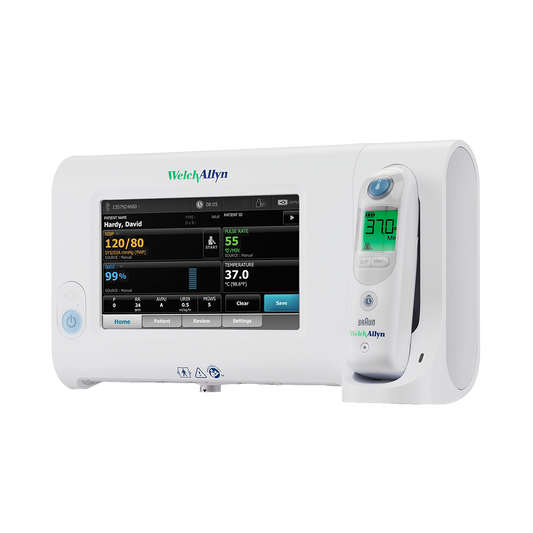
Vital signs monitors are generally accurate when used correctly, but their precision can depend on the quality of the device, the proper calibration, and the condition of the patient. It’s important to use the monitor according to the manufacturer’s instructions and regularly calibrate the device for optimal results.
When choosing a vital signs monitor, consider factors such as the number of parameters you need to measure, ease of use, portability, and whether you need features like data storage or wireless connectivity. For example, multi-parameter monitors are suitable for more comprehensive monitoring, while single-parameter models may be more cost-effective for basic checks.
Yes, many vital signs monitors are designed for use in home care settings, allowing patients to monitor their health regularly. These devices are often compact, user-friendly, and provide accurate readings for monitoring conditions like hypertension, diabetes, or respiratory issues. However, home users should follow the manufacturer's guidelines for use and seek medical advice if abnormalities are detected.
Continuous vital signs monitoring provides real-time, constant data on a patient’s vital signs, often used in ICU or emergency settings. Intermittent monitoring involves taking measurements at regular intervals, which can be sufficient for routine check-ups in outpatient or general hospital settings.
Proper use involves ensuring that the monitor’s sensors are placed correctly on the patient’s body (e.g., cuff for blood pressure, pulse oximeter for SpO2), following instructions for setting up and calibrating the device, and ensuring that the patient is in the correct position for accurate readings. Always consult the user manual for device-specific instructions.
The frequency of calibration depends on the manufacturer’s recommendations, but generally, vital signs monitors should be calibrated annually or whenever there are significant changes in the device's performance. Regular calibration ensures the accuracy of readings and compliance with medical standards.
Many modern vital signs monitors can integrate with other medical devices or hospital management systems. For example, some monitors can transmit data to electronic health record (EHR) systems, enabling healthcare providers to track patient data more efficiently and make informed decisions.
Multi-parameter vital signs monitors offer the benefit of providing a comprehensive overview of a patient’s health by measuring multiple vital signs simultaneously. This feature is especially valuable in emergency situations, intensive care units (ICUs), and operating rooms, where timely data from multiple parameters is critical for effective patient management.
Vital signs monitors track changes in heart rate, blood pressure, oxygen levels, and other parameters in real time. Early detection of abnormal trends, such as low blood oxygen or high blood pressure, allows healthcare professionals to intervene quickly, potentially preventing further complications or deterioration of the patient’s condition.
In pediatric and geriatric patients, using the correct cuff size, sensor placement, and device settings is crucial for accurate readings. Ensure that the vital signs monitor is specifically designed for use with different age groups. Many monitors offer specialised settings for pediatric or geriatric patients to ensure accurate readings.
During anesthesia, continuous monitoring of vital signs is essential to ensure the patient's stability and safety. Vital signs monitors track heart rate, blood pressure, oxygen saturation, and other critical parameters to detect any changes that could indicate complications, allowing the anesthesiologist to make adjustments as needed.
Oxygen saturation (SpO2) monitoring is critical for assessing how well oxygen is being delivered throughout the body. Low oxygen saturation levels can indicate respiratory issues or cardiovascular problems. Continuous monitoring of SpO2 is essential in settings such as ICU, surgery, and home care for patients with respiratory conditions.
Yes, many modern vital signs monitors store historical data, allowing healthcare providers to track trends in heart rate, blood pressure, and other parameters over time. This capability is particularly useful for managing chronic conditions such as hypertension or heart disease and for assessing the effectiveness of treatment plans.
By regularly monitoring blood pressure with a vital signs monitor, healthcare providers can track a patient’s response to treatment and adjust medication or lifestyle recommendations as needed. Consistent blood pressure readings help detect trends and early signs of worsening hypertension, ensuring timely intervention.
Vital signs monitors play a crucial role in remote patient monitoring by allowing healthcare providers to track patients’ health data from a distance. Many modern monitors have wireless capabilities that send real-time data to healthcare professionals, enabling them to assess the patient’s condition and intervene when necessary, all without requiring the patient to visit the clinic.
Wearable vital signs monitors, such as wristbands or smartwatches, measure parameters like heart rate, blood pressure, and oxygen levels. While these devices are generally accurate for basic monitoring, they may not be as precise as hospital-grade monitors. However, they are convenient for continuous monitoring of patients with chronic conditions or those needing regular assessments.
Post-surgery, vital signs monitoring helps track recovery by measuring key parameters such as blood pressure, heart rate, and oxygen saturation. This continuous monitoring allows healthcare providers to detect any signs of complications, such as infection, bleeding, or respiratory issues, enabling prompt intervention to ensure a smooth recovery.