Professional Doctor Bags You Can Trust
When it comes to mobile practice and patient visits, having the right bag makes all the difference. That's why we've carefully curated a selection of doctor bags that deliver the practicality and reliability you need for your work.
From home visits to multi-site practice work and emergency call-outs, our bags support you in delivering exceptional patien... Read More
Professional Doctor Bags You Can Trust
When it comes to mobile practice and patient visits, having the right bag makes all the difference. That's why we've carefully curated a selection of doctor bags that deliver the practicality and reliability you need for your work.
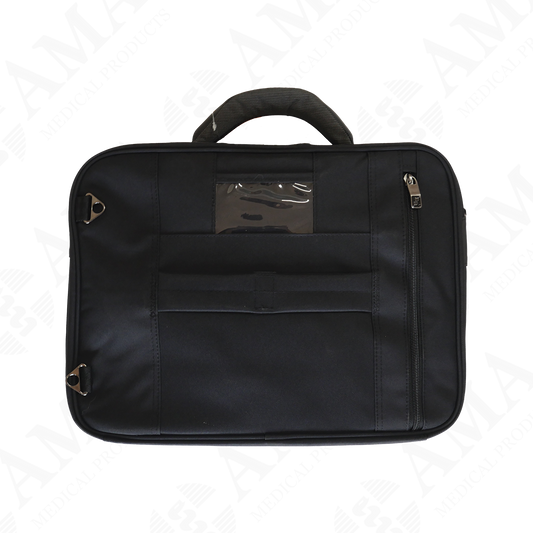
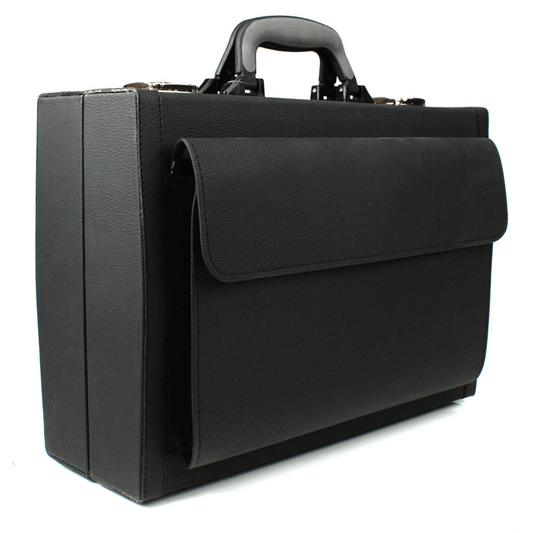
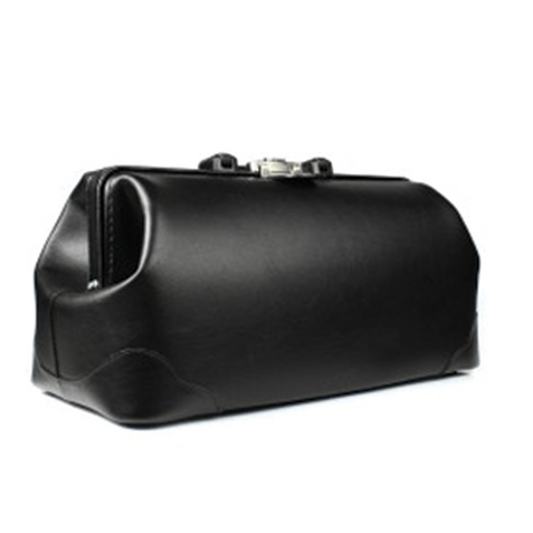
From home visits to multi-site practice work and emergency call-outs, our bags support you in delivering exceptional patient care every day, wherever your work takes you. Designed for daily use by clinicians who move between practices, visit patients, or work across multiple care settings, these bags balance durability, smart storage, and professional presentation—helping you stay prepared and organised throughout your day.
Key Benefits
-
Organised Equipment Protection: Our bags deliver the organised protection you need to confidently transport your diagnostic tools. These doctor bags feature carefully designed layouts that carry equipment securely with clear compartmentalisation, keeping instruments protected and ready for use during consultations, ensuring reliable access every time you need it.
-
Ease of Use: We know your time is valuable. That's why our products feature straightforward, user-friendly designs that streamline your workflow and minimise time searching for equipment. Well-structured compartments make it easy to find instruments quickly, even during time-sensitive visits or emergency situations where every second counts.
-
Built to Last: Your bag needs to keep up with your busy practice. Built specifically for regular travel and handling, our doctor bags deliver dependable performance year after year. Constructed with durability at the forefront, these bags maintain their shape and performance over time, withstanding the rigors of daily clinical use.
Product Features
-
Comfort-Focused Design: Long days and frequent visits demand comfortable carrying solutions. Our doctor bags feature ergonomic handles and adjustable shoulder straps that work for you throughout your day, reducing strain during transport and minimising fatigue, especially during extended shifts with multiple patient visits across different locations.
-
Smart Space Solutions: Make the most of your mobile practice needs with our thoughtfully designed bags. Carefully organised compartments integrate seamlessly into your workflow, efficiently storing instruments, consumables, and personal items without overcrowding the bag or compromising on accessibility when you need to retrieve equipment quickly.
-
Quality Construction: We build every bag with premium materials, including reinforced stitching, durable sippers, and secure closures. This attention to quality ensures long-term reliability in clinical use, even in the most demanding mobile practice environments with frequent daily transport between patient visits and clinical settings.
Explore our full range of doctor bags and find the perfect practical, reliable option that suits your daily workflow and mobile practice needs.
Read Less