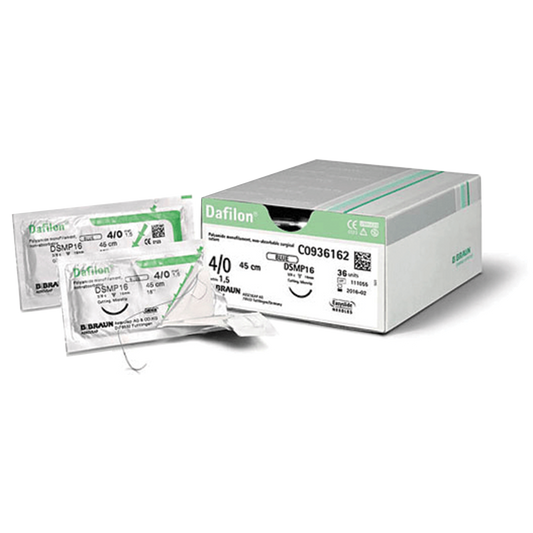
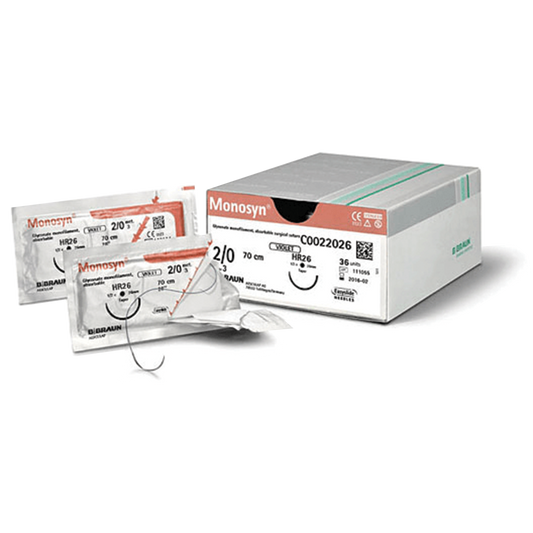
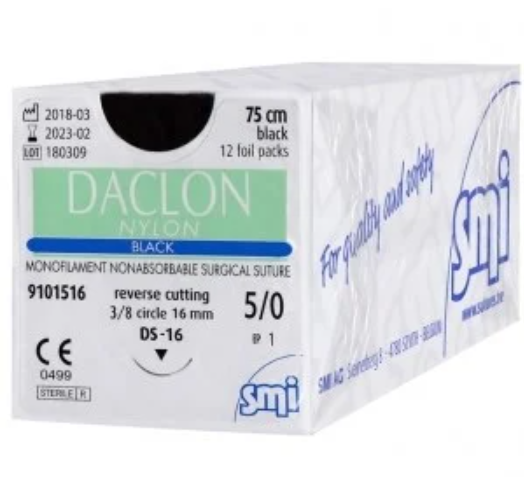
Professional Sutures You Can Trust
Precision in wound closure is essential for effective healing. Our range of high-quality sutures is designed to meet the rigorous demands of clinical environments, including hospitals, medical clinics, and surgical theatres. Whether used for internal or external closures, these sutures are ideal for a wide variety of surgical procedures and are designed to support optimal healing while m... Read More
Professional Sutures You Can Trust
Precision in wound closure is essential for effective healing. Our range of high-quality sutures is designed to meet the rigorous demands of clinical environments, including hospitals, medical clinics, and surgical theatres. Whether used for internal or external closures, these sutures are ideal for a wide variety of surgical procedures and are designed to support optimal healing while minimizing patient discomfort.
Key Benefits
-
Reliable Closure: Sutures provide strong and secure wound closure, ensuring proper alignment of wound edges. This helps to prevent complications such as wound dehiscence and promotes faster healing.
-
Improved Infection Control: The sterile construction of our sutures minimizes the risk of infection. Proper closure reduces exposure to contaminants, ensuring a clean and safe healing environment for the patient.
-
Comfortable and Secure: Designed for minimal trauma during insertion, these sutures allow for comfortable wound closure. The smooth and flexible design ensures less irritation and enhances patient comfort during and after the procedure.
-
Versatile for Various Wounds: Suitable for a wide range of surgical procedures, including minor and major surgeries, these sutures offer flexibility in use, making them effective for different types of wounds, whether they are low or high tension.
Product Features
-
Sterile and Ready to Use: Each suture is individually packed in sterile packaging to ensure that it is free from contaminants until it is used. This maintains the highest standards of infection control.
-
Variety of Materials and Sizes: Available in a range of materials, including absorbable and non-absorbable options, and various sizes, these sutures can be selected based on the type of wound and the specific requirements of the procedure.
-
Precision-Engineered for Strength: Our sutures are designed to provide strength and durability. The quality construction ensures the suture will hold the wound edges together securely throughout the healing process.
-
Easy to Handle: With an ergonomic design and smooth texture, our sutures are easy to handle and use, providing clinicians with the control needed to perform precise wound closure.
Explore our full range of Sutures and find the right solution for your clinical needs.
Read Less