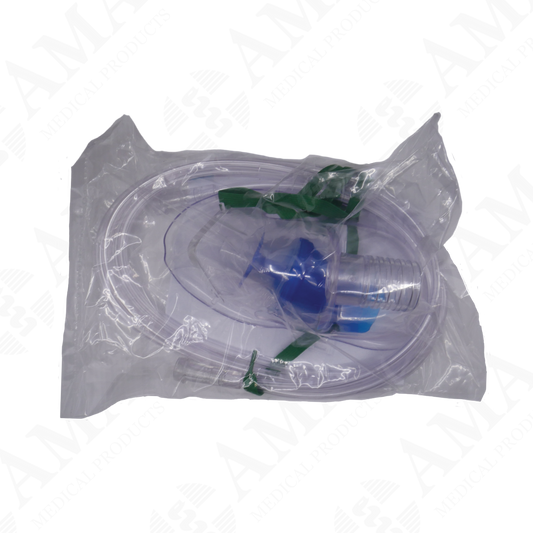
Professional Portable Nebulisers You Can Trust
When it comes to respiratory care and breathing treatments, having the right equipment makes all the difference. That's why we've carefully curated a selection of professional portable and tabletop nebulisers that deliver the consistency and reliability you need for effective respiratory therapy.
From routine breathing treatments to chronic respiratory management and... Read More
Professional Portable Nebulisers You Can Trust
When it comes to respiratory care and breathing treatments, having the right equipment makes all the difference. That's why we've carefully curated a selection of professional portable and tabletop nebulisers that deliver the consistency and reliability you need for effective respiratory therapy.
From routine breathing treatments to chronic respiratory management and acute respiratory support, our nebulisers support you in delivering exceptional patient care every day. Designed with comfort and performance in mind, these systems use proven compressor technology to produce a fine aerosol mist for dependable respiratory therapy across a wide range of clinical and home care needs.
Key Benefits
-
Precise Medication Delivery: Our equipment delivers the consistent aerosol therapy you need to confidently treat respiratory conditions. You can trust these nebulisers to deliver medication efficiently with consistent particle size, supporting effective treatment and better absorption in the lungs. Reliable aerosol generation ensures optimal drug delivery to airways, maximising therapeutic benefit and improving patient outcomes across various respiratory conditions.
-
Ease of Use: We know your time is valuable. That's why our products feature straightforward, user-friendly designs that streamline treatment administration and minimise the learning curve for everyone involved. Simple controls and straightforward setup make treatments easy to manage for clinicians, carers, and patients alike, promoting better treatment compliance and reducing anxiety around respiratory therapy sessions.
-
Built to Last: Your nebuliser equipment needs to keep up with regular treatment schedules. Designed specifically for frequent use, these nebulisers provide reliable performance over time in both clinical and home care settings. Constructed with durability at the forefront and engineered for consistent daily operation, these systems maintain their aerosol output and effectiveness through thousands of treatment sessions.
Product Features
-
Comfort-Focused Design: Regular respiratory treatments demand patient-friendly equipment. Our professional nebulisers feature quiet operation and smooth airflow that help make treatment sessions more comfortable, especially for children and long-term users who require frequent therapy. Reduced noise levels and gentle medication delivery help patients remain calm and cooperative throughout treatment, improving adherence to prescribed therapy regimens.
-
Smart Space Solutions: Make the most of your clinical or home environment with our thoughtfully designed nebuliser systems. Choose from compact portable units for travel and home use, or larger tabletop models suited to clinics and treatment rooms. Versatile sizing options ensure respiratory therapy capability is available wherever and whenever needed, without compromising on treatment effectiveness or occupying excessive space.
-
Quality Construction: We build every nebuliser with medical-grade components and clinically proven technology that ensure consistent aerosol delivery and dependable performance with every treatment. This attention to quality delivers reliable particle generation, appropriate medication flow rates, and durable construction that maintains performance standards even with frequent daily use and regular cleaning protocols.
Explore our full range of professional nebulisers to find the right solution for your clinic or home care needs.
Read Less