Professional Emergency Defibrillators You Can Trust
the difference. That's why we've carefully curated a selection of Automated External Defibrillators (AEDs) and professional defibrillation equipment that delivers the precision and reliability you need when every second counts.
From workplace safety programmes to hospital emergency departments and public access initiatives, our equipment supports you in delivering exceptional emergenc... Read More
Professional Emergency Defibrillators You Can Trust
the difference. That's why we've carefully curated a selection of Automated External Defibrillators (AEDs) and professional defibrillation equipment that delivers the precision and reliability you need when every second counts.
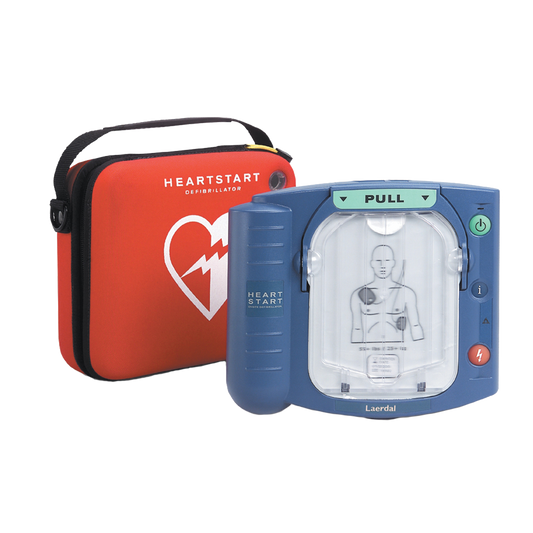
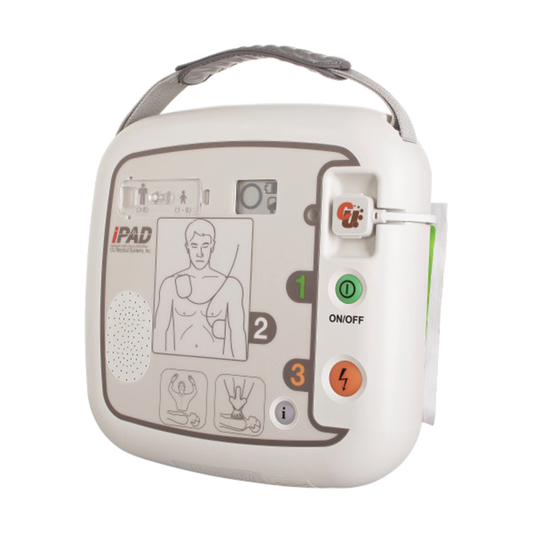
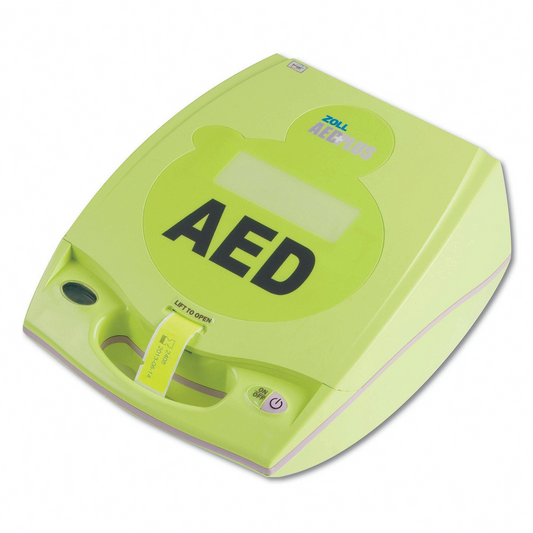
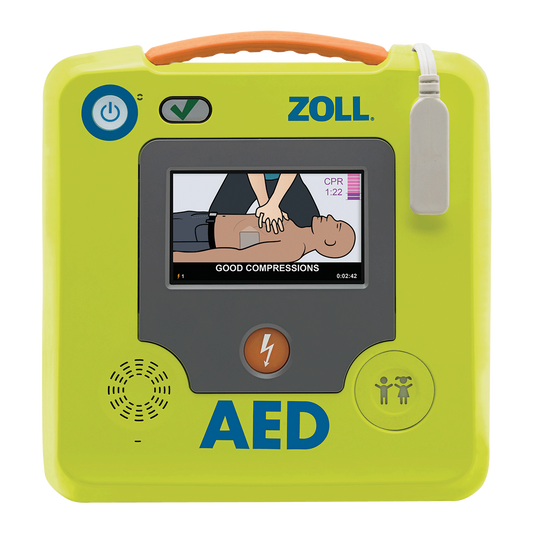
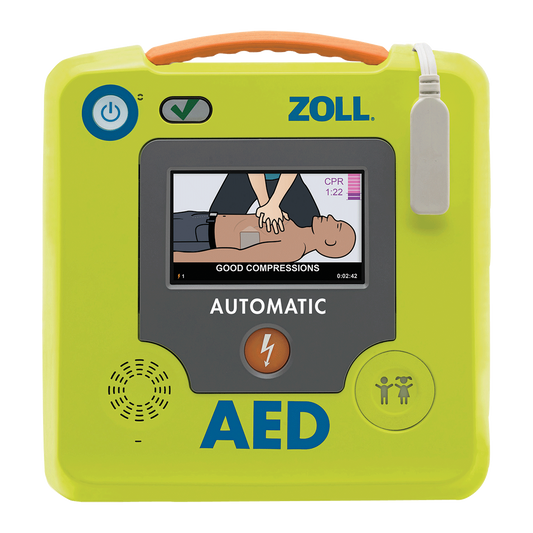
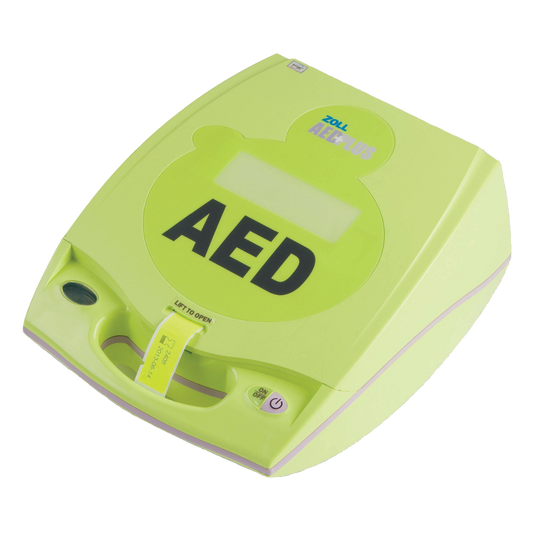
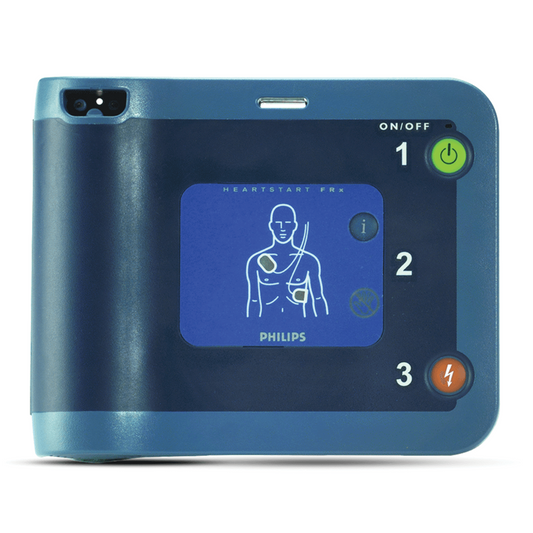
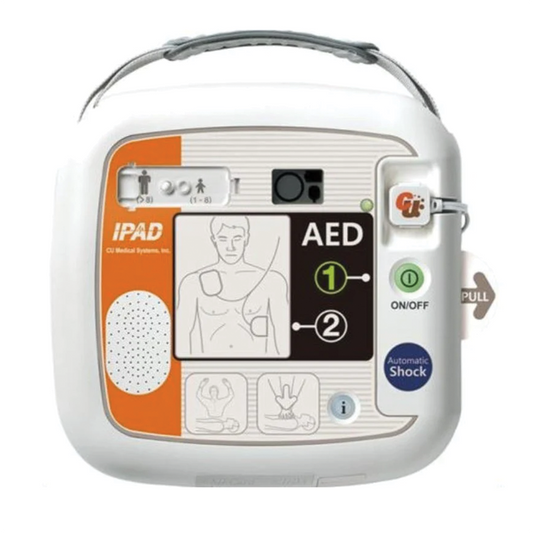
From workplace safety programmes to hospital emergency departments and public access initiatives, our equipment supports you in delivering exceptional emergency response every day. We supply trusted defibrillators from leading brands, suitable for hospitals, workplaces, public spaces, and home use. Each unit is designed to support both trained responders and everyday users during sudden cardiac arrest, providing clear guidance and reliable performance when it matters most.
At AMA Medical Products, we offer a broad selection of defibrillators and accessories to suit different environments, compliance requirements, and budgets, including support for emergency preparedness initiatives such as the RESTART a HEART campaign.
Key Benefits
-
Precise Heart Rhythm Analysis: Our equipment delivers the accurate heart rhythm analysis you need to confidently respond to cardiac emergencies. You can trust these AEDs to automatically analyse heart rhythm and deliver a shock only when it's clinically required, providing consistent guidance that helps responders take the correct steps with confidence every time. Advanced algorithms ensure appropriate intervention while preventing unnecessary shocks.
-
Ease of Use: We know that in emergencies, clarity is critical. That's why our products feature straightforward, user-friendly designs that allow users to act quickly in high-pressure situations. Clear voice prompts, visual guidance, and simple operation enable effective response even without prior medical training, streamlining emergency workflow when every second matters and reducing responder hesitation.
-
Built to Last: Your equipment needs to keep up with your emergency readiness needs. Designed specifically for critical situations, our defibrillators deliver dependable performance year after year. Constructed with durability at the forefront and engineered to withstand environmental stresses, these devices ensure long-term reliability in demanding environments, maintaining emergency readiness through extended standby periods.
Product Features
-
Comfort-Focused Design: High-pressure emergencies demand intuitive equipment. Our defibrillators feature clear instructions, intuitive layouts, and fast pad placement that work for responders of all experience levels, helping reduce hesitation and support calm, effective action during critical moments. Step-by-step guidance and reassuring prompts help maintain responder confidence throughout the emergency.
-
Smart Space Solutions: Make the most of your emergency preparedness strategy with our thoughtfully designed equipment. Choose from compact, portable AEDs for workplaces and public areas through to hospital-grade systems for clinical environments, integrating seamlessly into your existing safety protocols without compromising on functionality. Wall-mountable cabinets and carrying cases ensure visibility and accessibility.
-
Quality Construction: We build every device with premium materials and proven technology, including professional-grade shock delivery systems and integrated safety features trusted by medical professionals and emergency responders. This attention to quality delivers reliable performance, even in the most demanding emergency situations, with robust construction that protects critical components from environmental factors.
Our Defibrillator Range
Our comprehensive selection includes:
Explore our full range of emergency defibrillators and find the perfect solution for your workplace, clinic, or public space.
Read Less