Professional Blood Pressure Monitoring You Can Trust
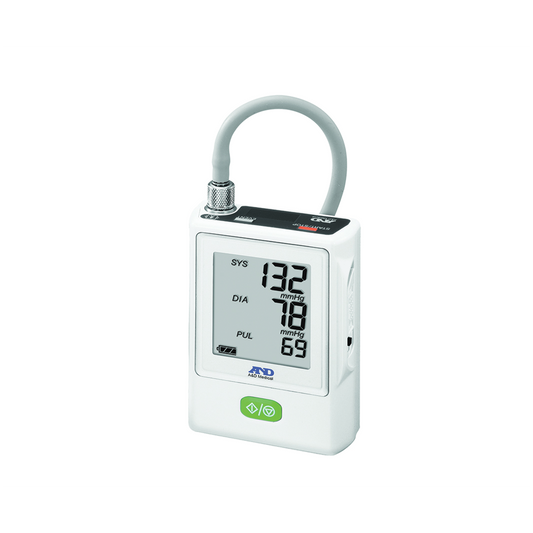
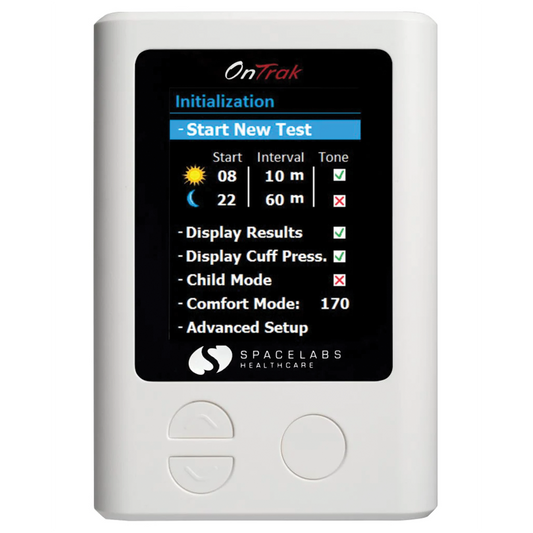
When it comes to hypertension assessment and cardiovascular patient care, having the right equipment makes all the difference. That's why we've carefully curated a selection of 24-hour blood pressure monitors that deliver the precision and reliability you need in your practice.
From routine blood pressure screening to complex ambulatory monitoring and true hypertension diagnosis, our ... Read More
Professional Blood Pressure Monitoring You Can Trust
When it comes to hypertension assessment and cardiovascular patient care, having the right equipment makes all the difference. That's why we've carefully curated a selection of 24-hour blood pressure monitors that deliver the precision and reliability you need in your practice.
From routine blood pressure screening to complex ambulatory monitoring and true hypertension diagnosis, our ABPM equipment supports you in delivering exceptional patient care every day. These sophisticated monitoring systems provide comprehensive blood pressure data across complete daily cycles, helping you make more informed clinical decisions and deliver better outcomes for your patients.
Key Benefits
-
Precise Diagnostics: Our equipment delivers the accurate measurements you need to confidently diagnose and treat hypertension. Track blood pressure across a full 24-hour cycle, including daytime activity and overnight readings. You can trust these devices to identify true hypertension patterns, blood pressure variability, and white coat effects with consistent, reliable results every time, ensuring your clinical assessments are based on comprehensive, real-world data.
-
Ease of Use: We know your time is valuable. That's why our products feature straightforward, user-friendly designs that streamline your workflow and minimise the learning curve for your team. Set measurement intervals quickly and let the device do the work autonomously. Quiet operation helps patients go about their day with minimal disruption, improving compliance and data quality.
-
Built to Last: Your equipment needs to keep up with your busy practice. Designed for regular clinical use, our ambulatory blood pressure monitors deliver dependable performance year after year. Constructed with validated algorithms and calibrated sensors at the forefront, these devices provide the long-term reliability and measurement accuracy your cardiovascular assessments demand.
Product Features
-
Comfort-Focused Design: Long monitoring periods demand comfortable equipment. Our 24-hour blood pressure monitors feature lightweight units and soft, well-fitted cuffs that work for your patients, reducing discomfort and encouraging better compliance during extended monitoring periods. This patient-centred design helps ensure complete data collection across the full monitoring cycle.
-
Smart Space Solutions: Make the most of your practice space with our thoughtfully designed equipment. These compact, portable systems make it easy for patients to wear the monitor at home, at work, or overnight without disrupting their normal routines. They integrate seamlessly into your existing clinical setup without getting in the way or requiring dedicated storage space.
-
Quality Construction: We build every piece of equipment with clinically validated technology, durable components, and accurate sensors. This attention to quality delivers reliable ambulatory blood pressure measurement, test after test, even in the most demanding clinical environments. The robust construction ensures consistent performance across thousands of measurement cycles.
Explore our full range of 24-hour blood pressure monitors and find the perfect ambulatory monitoring solution for your medical practice or specialist cardiovascular clinic
Read Less