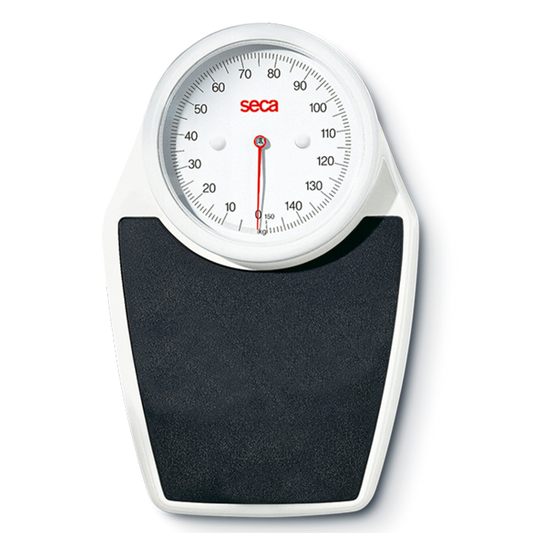
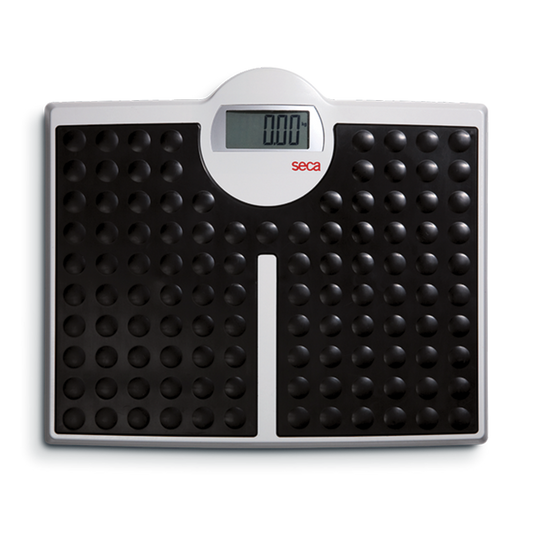
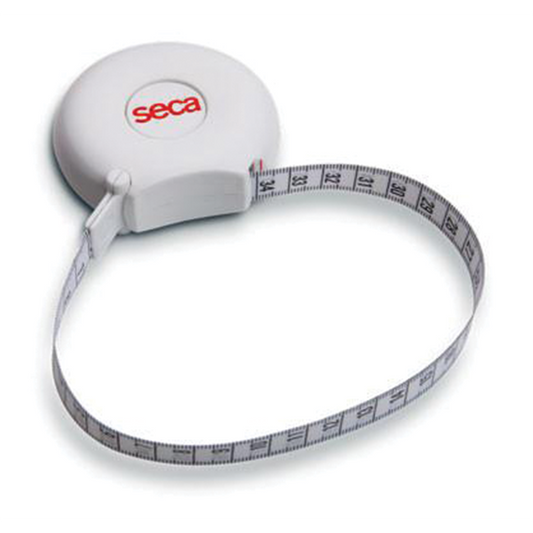
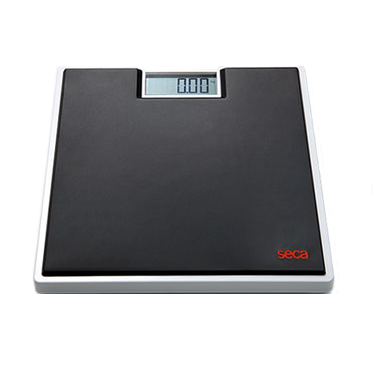
Professional Medical Scales You Can Trust
When it comes to patient weight and height measurement, having reliable data makes all the difference. That's why we've carefully curated a selection of patient weight measurement devices that deliver the accuracy and dependability you need in your healthcare facility.
From routine patient assessments to clinical monitoring and treatment planning, our measurement solution... Read More
Professional Medical Scales You Can Trust
When it comes to patient weight and height measurement, having reliable data makes all the difference. That's why we've carefully curated a selection of patient weight measurement devices that deliver the accuracy and dependability you need in your healthcare facility.
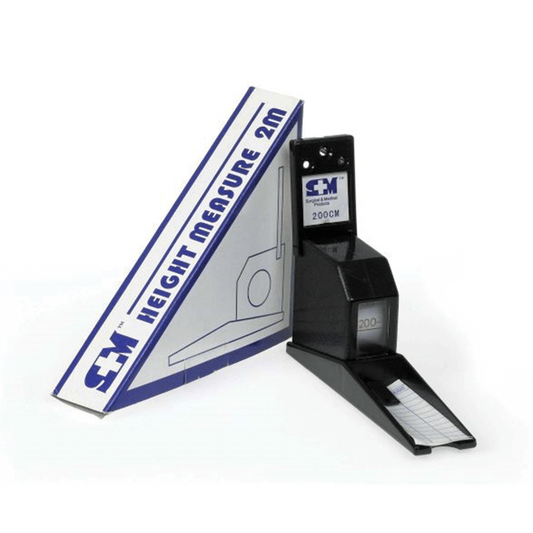
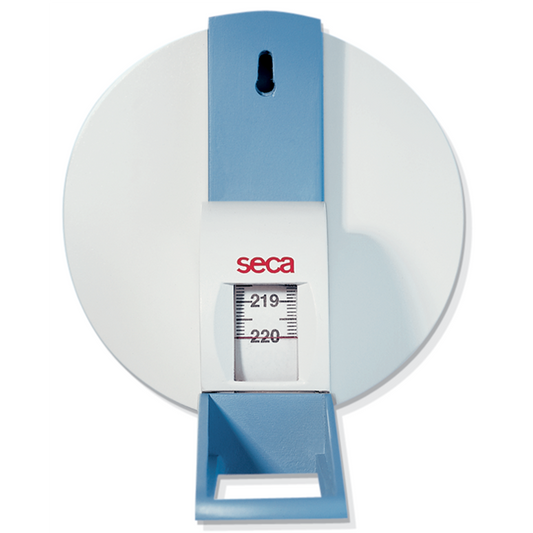
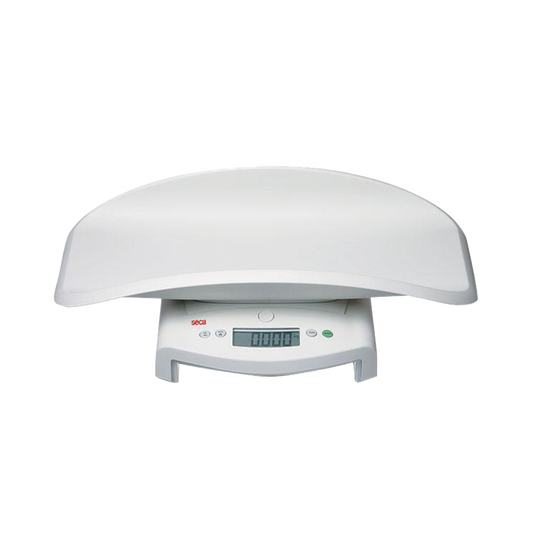
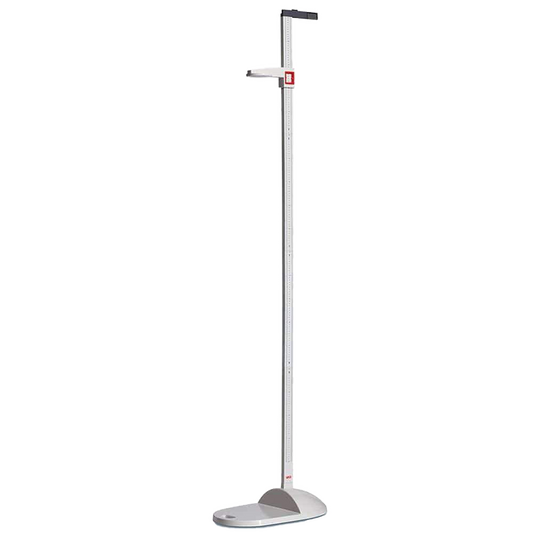
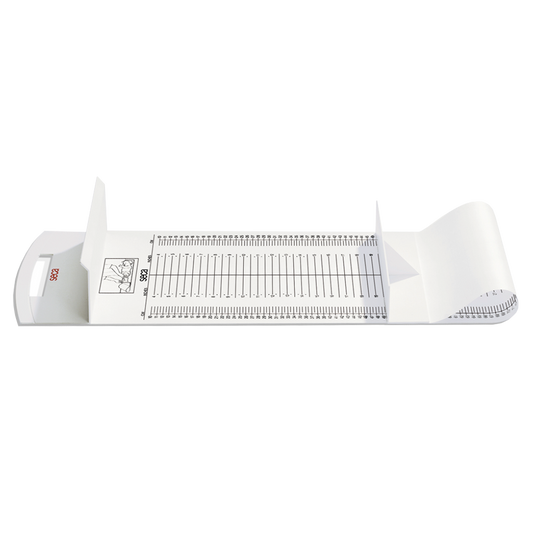
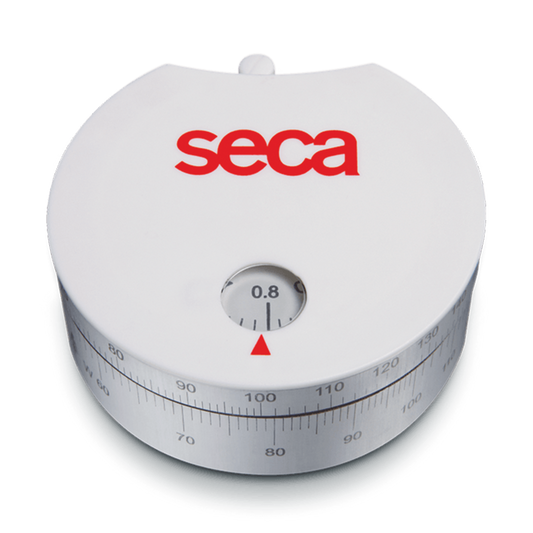
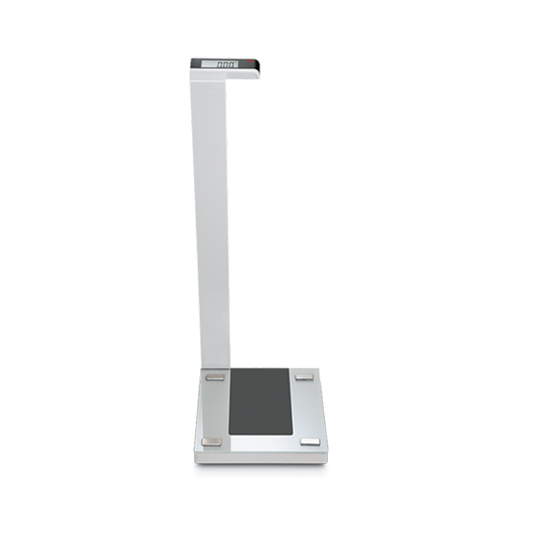
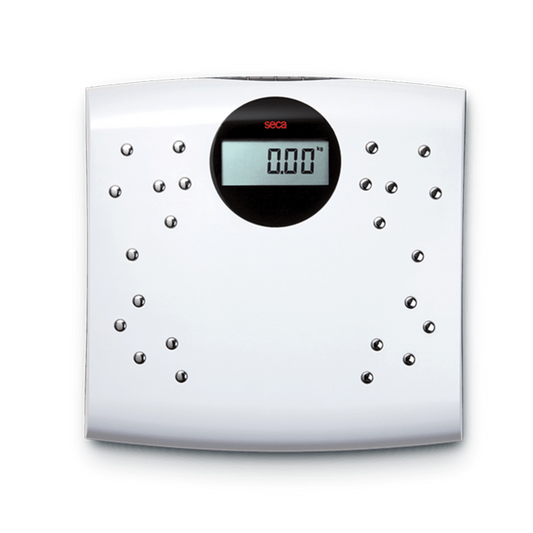
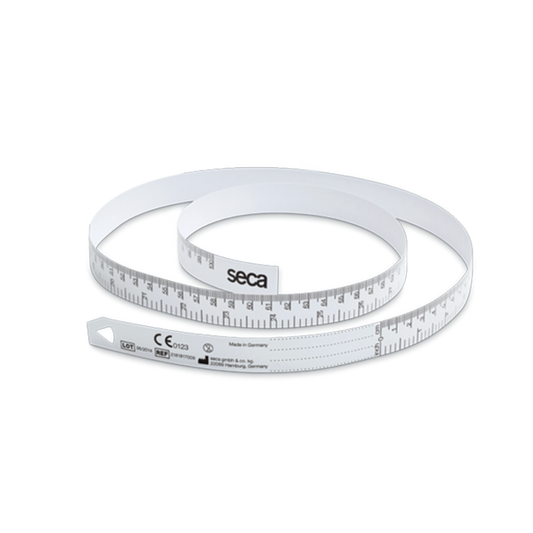
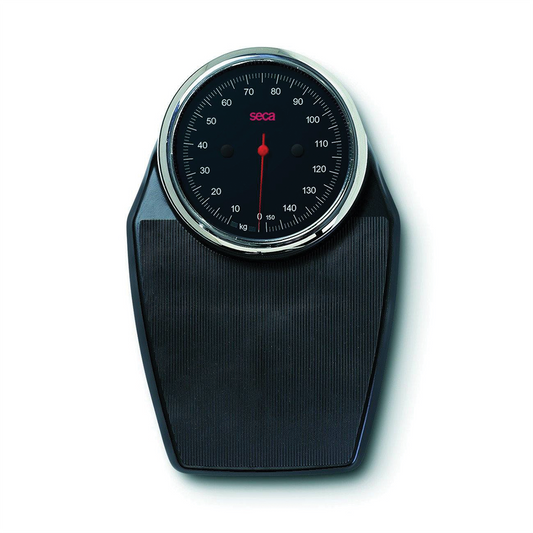
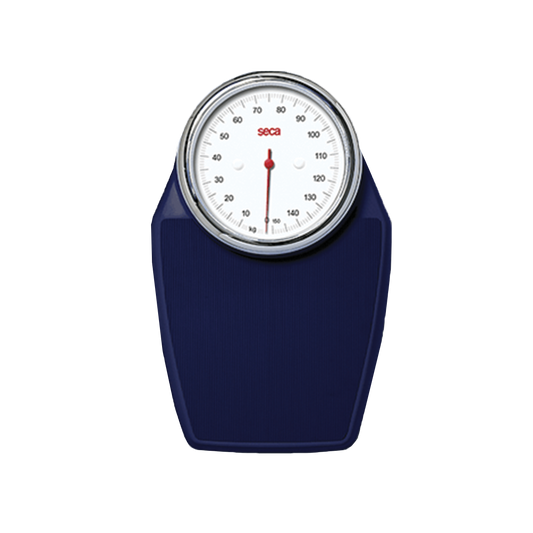
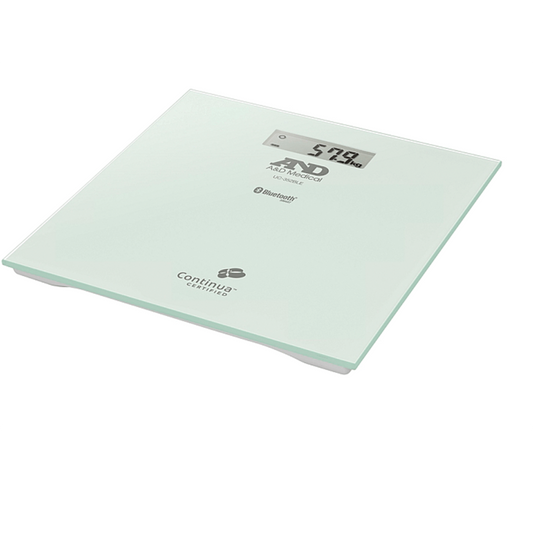
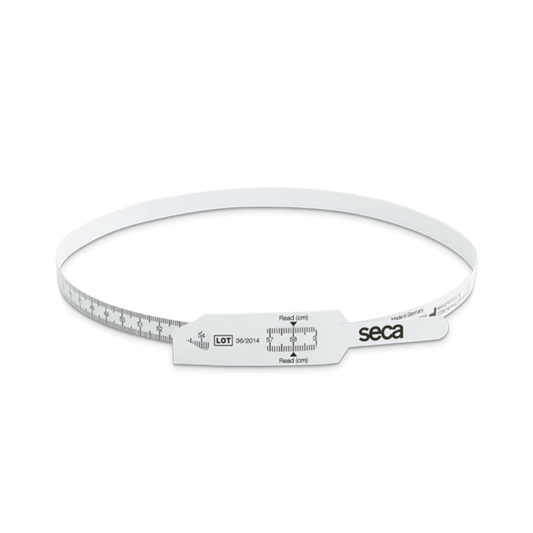
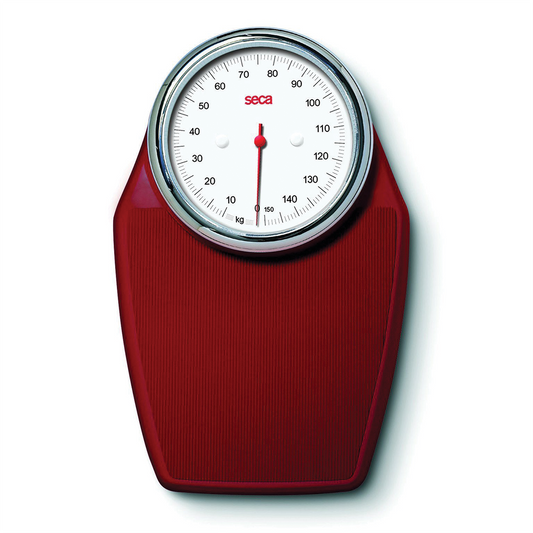
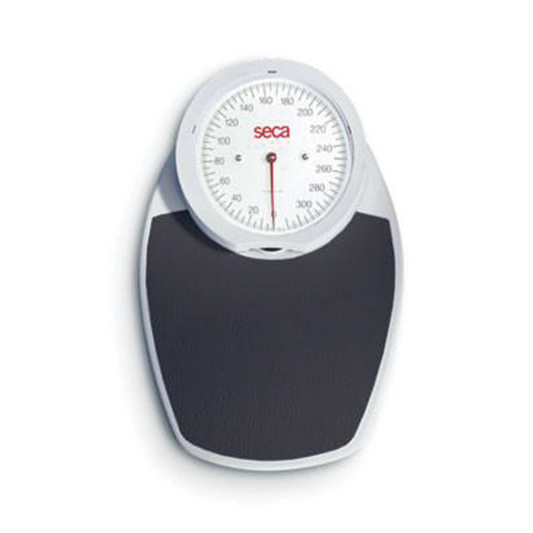
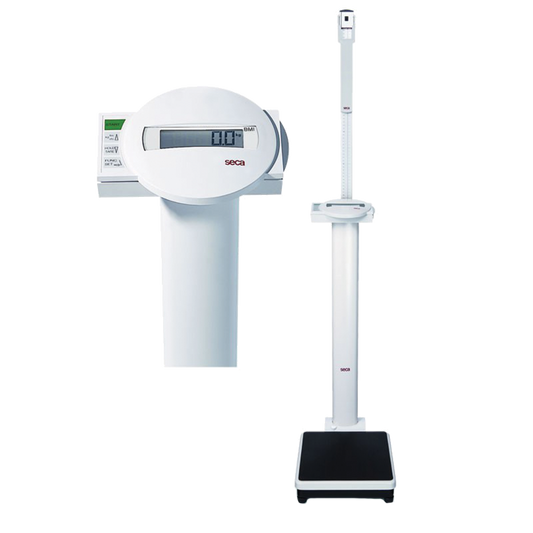
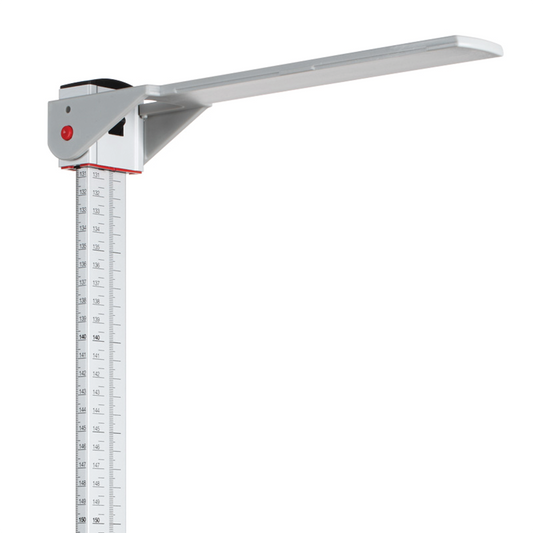
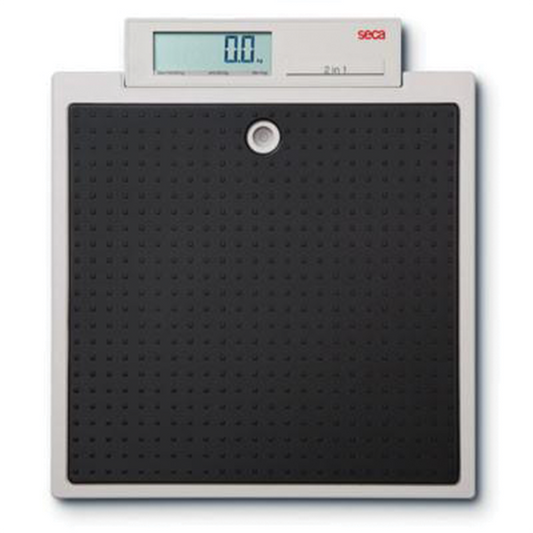
From routine patient assessments to clinical monitoring and treatment planning, our measurement solutions support you in delivering exceptional patient care every day. Featuring the trusted Seca range with precision engineering, this collection helps healthcare professionals capture accurate weight and height measurements and maintain reliable anthropometric records with confidence and consistency in clinical settings. At AMA Medical Products, we offer a broad selection of medical scales, height measuring tapes, and measuring rods to suit different clinical environments, patient populations, and measurement needs.
Key Benefits
-
Precise Diagnostics: Our equipment delivers the accurate measurements you need to confidently support clinical decision-making. You can trust these patient weight measurement devices to capture reliable weight and height data using precision calibration and quality components that support diagnosis, ongoing monitoring, and treatment planning. Superior measurement accuracy enables appropriate medication dosing, nutritional assessment, and growth tracking essential for comprehensive patient care.
-
Ease of Use: We know your time is valuable. That's why our products feature straightforward, user-friendly designs that streamline your measurement workflow and support efficient patient assessment. Clear displays and simple operation make weighing and measuring quick and accessible, even during busy clinics or routine consultations, allowing you to maintain focus on patient care rather than complex equipment operation.
-
Built to Last: Your measurement devices need to keep up with demanding healthcare environments. Designed specifically for regular clinical use, these devices deliver consistent performance and maintain measurement accuracy over time. Constructed with durability at the forefront and engineered to withstand frequent daily use, these scales and measuring devices provide dependable operation and precise readings year after year.
Product Features
-
Comfort-Focused Design: Patient-centred care demands reassuring measurement experiences. Our patient weight measurement devices feature stable platforms, secure handrails where appropriate, and smooth measurement processes that help patients feel safe and comfortable during weighing and height assessment, supporting positive care experiences. Thoughtful design promotes patient confidence and cooperation, helping you obtain accurate measurements even with anxious, elderly, or mobility-impaired patients.
-
Smart Space Solutions: Make the most of your clinical space with our thoughtfully designed measurement devices. Choose from compact portable scales for home visits and mobile care, column scales for consulting rooms, wheelchair-accessible platforms for bariatric or mobility needs, or wall-mounted height rods for fixed installations. Versatile configuration options ensure you have appropriate measurement capability wherever assessments take place, without cluttering clinical environments or compromising on functionality.
-
Quality Construction: We feature devices from Seca, the trusted German manufacturer, ensuring precision engineering, medical-grade materials, and robust construction that deliver long-term usability and consistent performance. This attention to quality delivers accurate weight measurements, reliable height tracking, and durable construction built to trusted German design standards that maintains measurement capability even in the most demanding clinical environments with continuous daily use.
Explore our full range of patient weight measurement devices to find the right solution for your clinic or healthcare facility.
Read Less