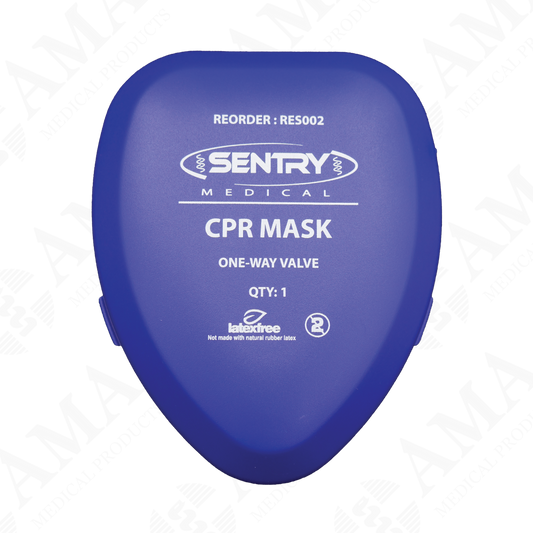
Professional First Aid and Resuscitation Equipment You Can Trust
When it comes to emergency response and workplace safety, having the right equipment makes all the difference. That's why we've carefully curated a selection of first aid and resuscitation equipment that delivers the reliability and accessibility you need when emergencies occur.
From everyday first aid essentials to critical resuscitation equipment,... Read More
Professional First Aid and Resuscitation Equipment You Can Trust
When it comes to emergency response and workplace safety, having the right equipment makes all the difference. That's why we've carefully curated a selection of first aid and resuscitation equipment that delivers the reliability and accessibility you need when emergencies occur.
From everyday first aid essentials to critical resuscitation equipment, our products support you in delivering fast, effective emergency care every day. Designed for workplaces, healthcare settings, and public spaces, these products help responders act quickly, confidently, and in line with best practice across a wide range of emergency situations.
Key Benefits
-
Rapid Emergency Response: Our equipment delivers the reliable tools you need to confidently assess and manage medical emergencies. You can trust these first aid and resuscitation products to support effective early intervention and rapid response, helping you identify critical situations quickly and take appropriate action that can make a crucial difference to patient outcomes in emergency scenarios.
-
Ease of Use: We know that in emergencies, every second counts. That's why our products feature straightforward, user-friendly designs that allow responders to act quickly even in high-pressure situations. Clear labelling and intuitive layouts enable equipment to be used effectively by trained staff and first aiders alike, reducing hesitation and supporting confident action when it matters most.
-
Built to Last: Your emergency equipment needs to be ready when called upon. Designed specifically for emergency readiness, these products withstand regular safety checks, extended storage periods, and repeated use without compromising reliability. Robust construction ensures your first aid and resuscitation equipment maintains its functionality and remains deployment-ready year after year.
Product Features
-
Comfort-Focused Design: High-pressure emergencies demand reassuring, intuitive equipment. Our first aid and resuscitation products feature user-friendly layouts and well-designed components that help reduce stress for both responders and patients during emergency care, supporting calm, methodical response and helping maintain responder confidence throughout critical situations.
-
Smart Space Solutions: Make the most of your workplace or facility space with our thoughtfully designed equipment. Compact kits and organised storage options keep essential items accessible and visible without cluttering work areas, ensuring emergency equipment is always within reach while maintaining tidy, professional environments. Wall-mountable options and portable kits suit various settings and compliance requirements.
-
Quality Construction: We build every product with durable materials and dependable manufacturing standards that ensure consistent performance when it matters most. This attention to quality delivers reliable operation during emergencies, even after extended storage periods or in demanding environmental conditions, giving you confidence that your emergency equipment will function properly when needed.
Explore our full range of first aid and resuscitation equipment to ensure your workplace or facility is prepared for emergencies.
Read Less