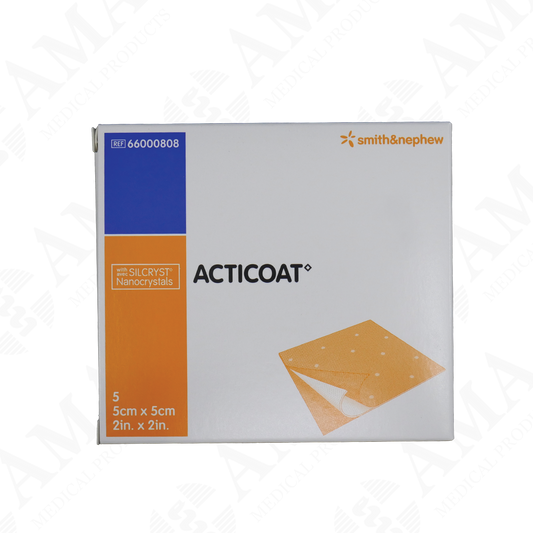
Professional Antimicrobial Dressings You Can Trust
In wound care, preventing infection is crucial for promoting healing and reducing complications. Our range of antimicrobial dressings is designed to provide effective protection while supporting faster recovery. These dressings create an optimal healing environment while actively combating harmful bacteria to reduce infection risk.
Used in hospitals, medical clinics, and aged care facilities, antimicrobial dressings are ess... Read More
Professional Antimicrobial Dressings You Can Trust
In wound care, preventing infection is crucial for promoting healing and reducing complications. Our range of antimicrobial dressings is designed to provide effective protection while supporting faster recovery. These dressings create an optimal healing environment while actively combating harmful bacteria to reduce infection risk.
Used in hospitals, medical clinics, and aged care facilities, antimicrobial dressings are essential for managing chronic and surgical wounds. They help prevent bacterial growth, minimise wound-related infections, and support the body’s natural healing process.
Key Benefits
-
Effective Infection Prevention: Antimicrobial dressings contain agents that inhibit bacterial growth, helping reduce the risk of infection and promote quicker healing in exuding or complex wounds.
-
Enhanced Healing Environment: By maintaining a moist wound environment, these dressings support faster tissue regeneration and help reduce scarring.
-
Broad-Spectrum Bacterial Protection: These dressings protect against a wide range of pathogens, including antibiotic-resistant bacteria, reducing complications and minimising the need for antibiotics.
-
Comfort and Ease of Use: Designed for patient comfort, antimicrobial dressings conform well to the wound and are easy to apply and remove, minimising discomfort during wear and dressing changes.
-
Ideal for High-Risk Wounds: Suitable for chronic wounds, surgical wounds, burns, and ulcers, these dressings provide additional protection for high-risk or compromised wounds.
Product Features
-
Advanced Antimicrobial Technology: Infused with agents such as silver or iodine, these dressings help inhibit or eliminate bacteria without harming healthy tissue.
-
Highly Absorbent: Designed to absorb wound exudate, these dressings help maintain balanced moisture levels, preventing maceration and supporting optimal healing conditions.
-
Non-Adherent and Pain-Free Removal: The non-adherent design minimises trauma to the wound bed and reduces pain during dressing changes, enhancing patient comfort.
-
Long-Lasting Protection: Providing sustained antimicrobial action, these dressings remain effective for extended periods, reducing the frequency of dressing changes.
-
Versatile Application: Suitable for diabetic foot ulcers, pressure ulcers, venous leg ulcers, and post-surgical wounds, making them a versatile choice for advanced wound care.
Explore our full range of antimicrobial dressings, each designed to support effective infection control and promote optimal wound healing outcomes.
Read Less