Collection: Electrocardiographs - ECG Machines

Professional ECG Monitors and Accessories You Can Trust

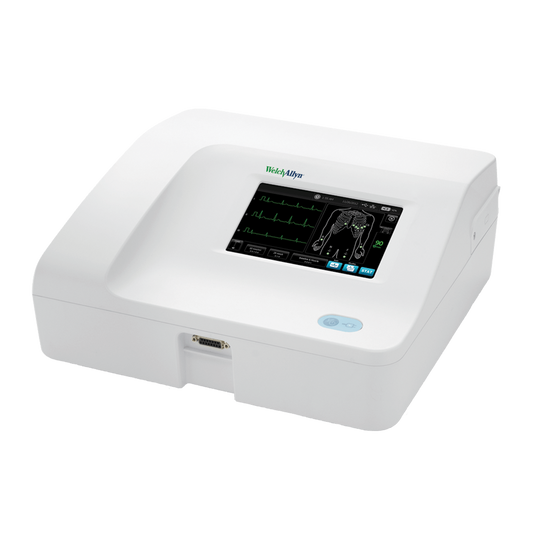
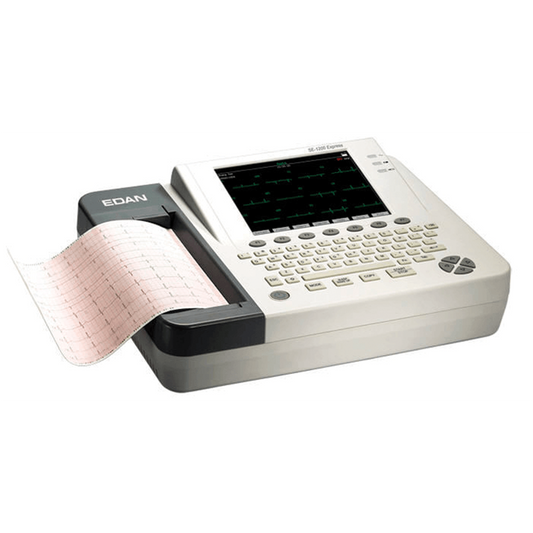
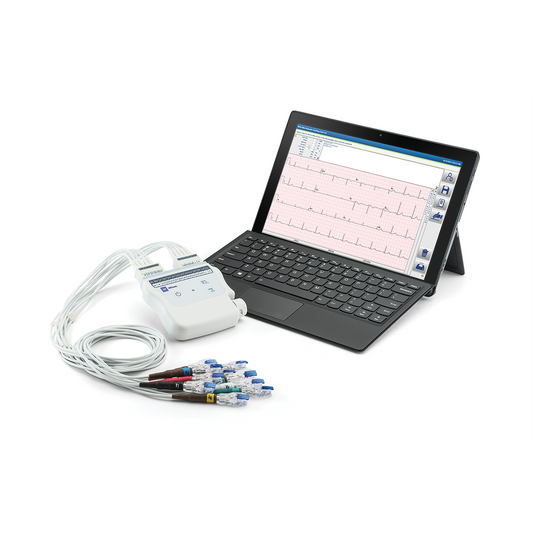
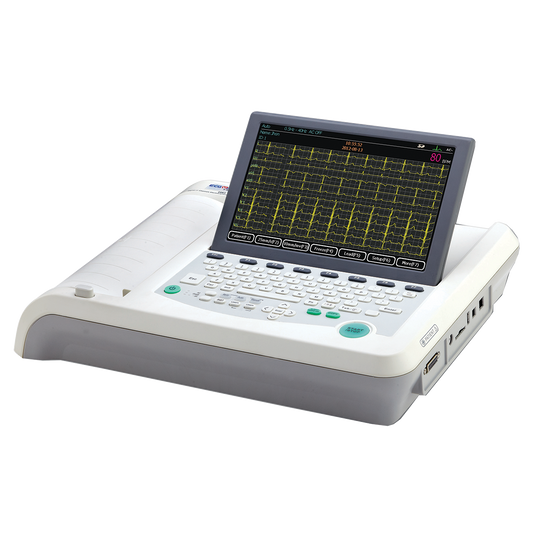
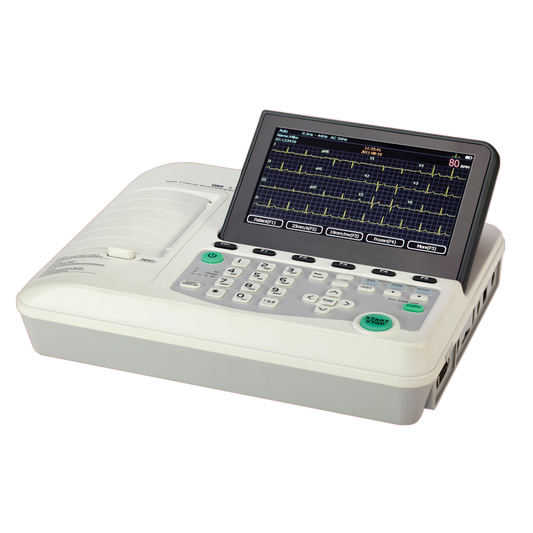
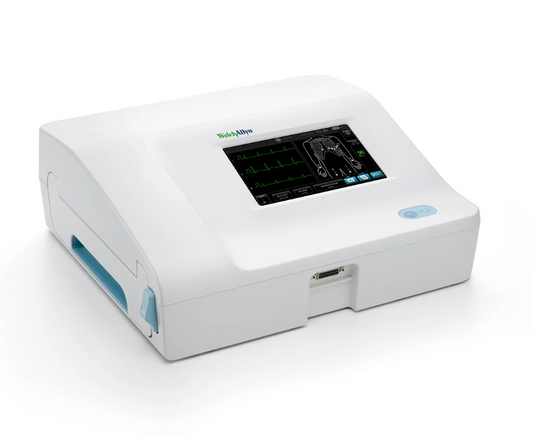
Reliable ECG equipment is essential for accurate cardiac assessment in both clinical and hospital settings. AMA Medical Products supplies a carefully selected range of electrocardiograph machines and accessories from trusted manufacturers, including Edan and Welch Allyn.

Working closely with local distributors and manufacturers, we offer a comprehensive sele... Read More

Filter and Sort

Filter and Sort

8 of 8 products

8 products

All Electrocardiographs - ECG Machines

FAQ's

Starting a new medical practice requires the right equipment and furniture to ensure smooth operations and patient care. Below are some of the essential medical items typically required:

Medical Equipment:

  • Stethoscopes: Used for listening to heartbeats, lung sounds, and other bodily functions.
  • Ophthalmoscopes: Essential for examining the eyes and diagnosing conditions like cataracts or glaucoma.
  • Otoscopes: Used to look inside the ear and diagnose conditions such as infections or earwax buildup.
  • Diagnostic Sets: Includes tools for examining eyes, ears, throat, and other areas of the body.
  • Defibrillators: Life-saving devices used to restore a normal heart rhythm during emergencies.
  • Thermometers: Vital for measuring patient body temperature to check for fever or other health concerns.
  • Automatic Blood Pressure Monitors: Provides quick and accurate blood pressure readings without the need for manual cuff inflation.
  • Pulse Oximeters: Measures oxygen saturation levels in the blood, an important tool for respiratory health.
  • Scales: For accurately weighing patients as part of routine check-ups.
  • Sphygmomanometers: Used for manual blood pressure measurement.
  • Spirometers: Essential for assessing lung function, particularly in patients with asthma or other respiratory conditions.

Medical Furniture:

  • Couches, Beds, and Tables: Comfortable and functional furniture for patient examination and treatment.
  • Lighting: Proper lighting is essential for accurate diagnoses and a comfortable environment for patients.
  • Trolleys and Carts: For storing and transporting medical supplies, medications, and equipment efficiently.
  • Vaccine Fridges: Designed to store vaccines at the appropriate temperatures to maintain their effectiveness.

Having the right mix of medical equipment and furniture ensures a safe, efficient, and professional environment for your new practice.

An Electrocardiograph (ECG) is a medical device used to measure the electrical activity of the heart. It works by attaching electrodes to the skin that detect the heart's electrical signals, producing a visual representation (ECG waveform) that can be analysed for any irregularities or conditions.
An ECG is essential for diagnosing heart conditions like arrhythmias, heart attacks, and other cardiovascular diseases. It helps healthcare professionals evaluate the heart’s rhythm, structure, and electrical impulses, providing vital information for diagnosis and treatment.
ECG machines come in various forms, including single-channel, multi-channel, and 12-lead ECG machines. Each type provides different levels of detail and is used for specific clinical applications, such as routine checkups, emergency care, or detailed cardiac assessments.
A 3-lead ECG records the heart's electrical activity from three electrodes, commonly used in monitoring patients during surgery or emergency care. A 6-lead ECG provides more detailed information, while a 12-lead ECG offers the most comprehensive view of the heart's electrical activity, allowing for more detailed analysis of heart conditions.
To use an ECG machine, electrodes are placed on specific areas of the patient's body (typically on the chest, arms, and legs) to detect electrical signals from the heart. The machine is then turned on to record the signals, producing an ECG trace that can be printed or viewed on a screen for analysis.
No, ECGs are completely non-invasive and painless. The process involves attaching electrodes to the skin with a conductive gel to capture the heart's electrical signals, making it a simple, safe, and quick procedure.
The actual ECG test typically takes just a few minutes. The entire process, including electrode placement and recording, usually takes about 5–10 minutes, making it a quick and efficient way to assess heart health.
An ECG can detect a variety of heart conditions, including arrhythmias, heart attacks, heart failure, electrolyte imbalances, and other abnormalities in the heart’s electrical system. It is one of the most common tools used in diagnosing heart disease.
ECGs are highly accurate in detecting electrical abnormalities in the heart, but they do not provide a complete picture of heart health. They are most useful when combined with other diagnostic tests, such as blood tests or echocardiograms, for a full cardiac assessment.
Yes, ECGs are commonly used for routine heart health monitoring, especially for patients with known heart conditions or those at risk of developing heart problems. Regular ECGs help doctors track changes in the heart’s electrical activity over time and detect issues early.
An ambulatory ECG, often referred to as a Holter monitor, is a portable ECG device that continuously records the heart's electrical activity over 24-48 hours, allowing for long-term monitoring of heart rhythms and detecting irregularities that may not show up during a short ECG test.
When choosing an ECG machine, consider factors like the number of leads required (3-lead, 6-lead, or 12-lead), ease of use, portability, data storage capabilities, and whether you need advanced features like wireless connectivity or software for detailed analysis.
There is no difference between ECG and EKG. "ECG" stands for electrocardiogram, while "EKG" is the German abbreviation for the same term (Elektrokardiogramm). Both refer to the same heart-monitoring procedure.
Yes, an ECG can detect early signs of heart disease by identifying abnormal heart rhythms or electrical activity that may indicate an increased risk of conditions like heart attacks, coronary artery disease, or other cardiovascular issues.
If your ECG results are abnormal, it’s important to consult with your healthcare provider for further evaluation. They may recommend additional tests, such as an echocardiogram, blood tests, or imaging, to determine the cause of the abnormality and develop an appropriate treatment plan.
A stress ECG, also known as a treadmill ECG, is performed while the patient exercises on a treadmill or stationary bike to monitor the heart’s response to physical exertion. This type of test helps diagnose issues such as exercise-induced arrhythmias or coronary artery disease.