Professional Dermatology Equipment for Skin Examinations
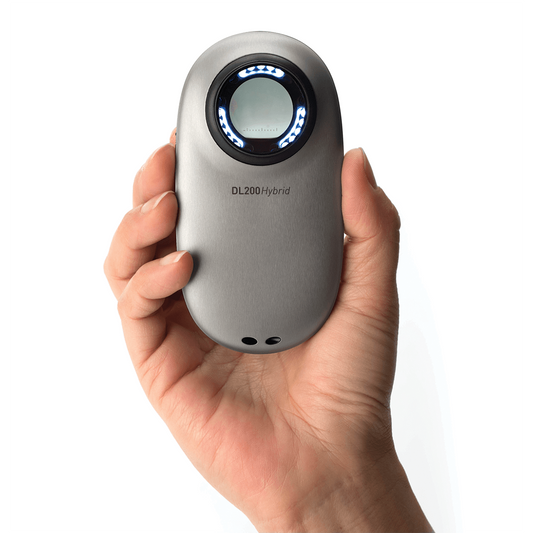
Advanced diagnostic tools for detailed skin lesion analysis and dermatological assessment. Our collection features high-precision dermatoscopes with superior magnification and illumination for accurate skin evaluation.
Enhanced Magnification - Clear visualisation of skin structures and lesion details
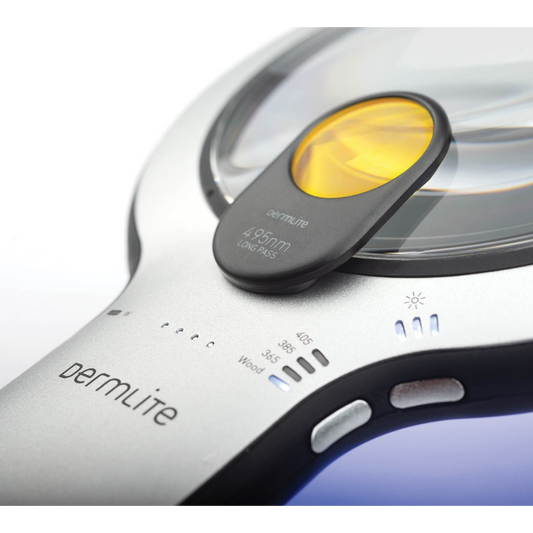
Advanced Illumination - Polarised and non-polarised light options for comprehensive analysis
Precision Construction - Reliable instruments built for clinical dermatology
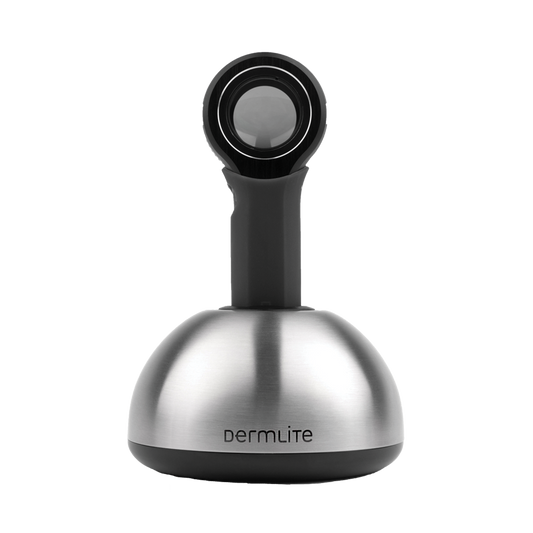
Complete Systems - Includes contact plates and essential accessories
Professional dermatoscopes are designed for accurate skin diagnosis and dermatological excellence.
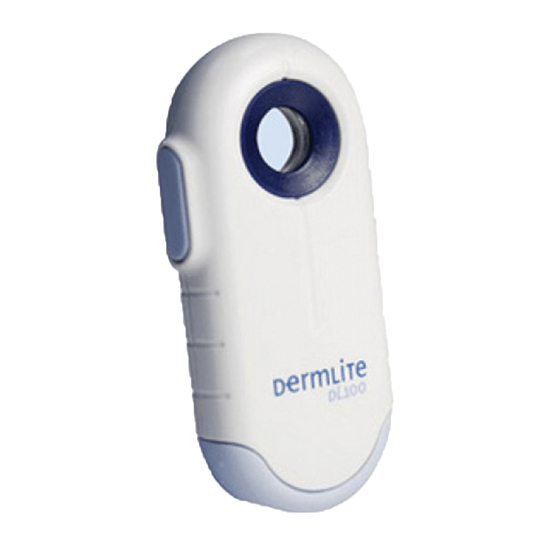
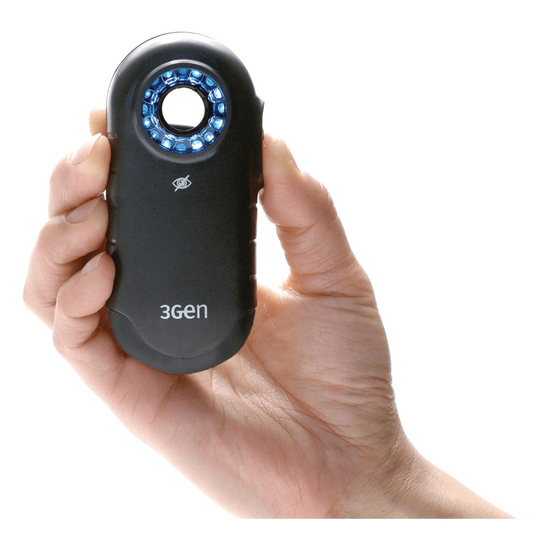
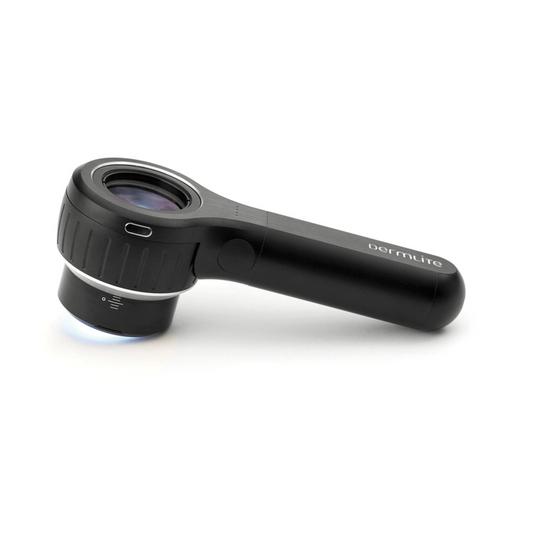
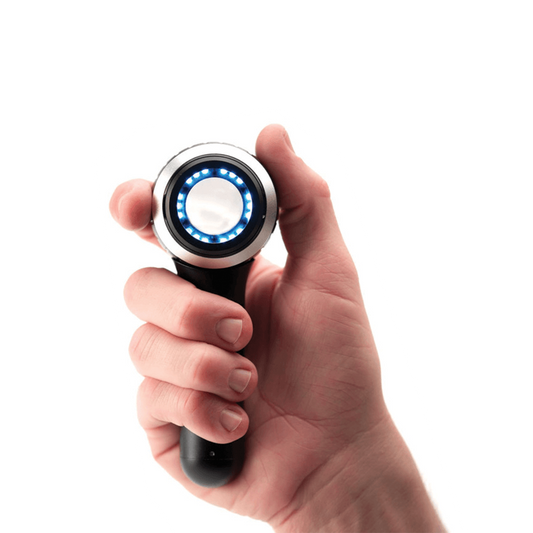
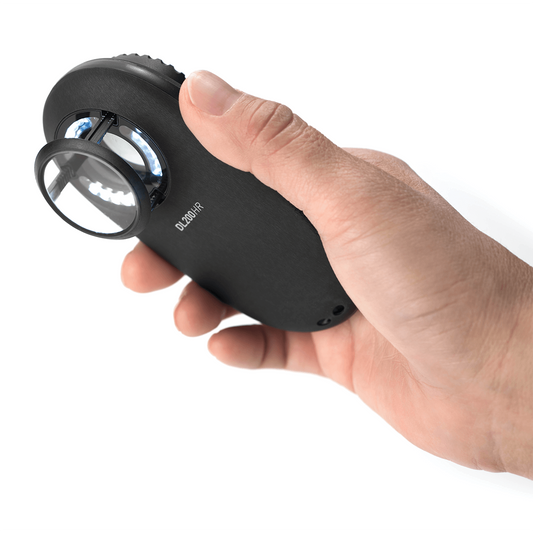
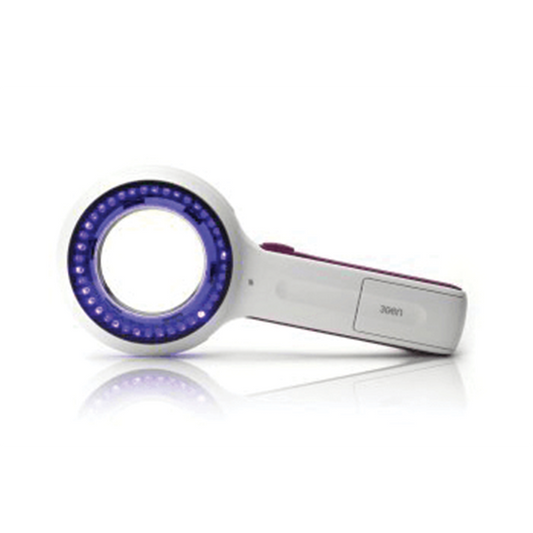
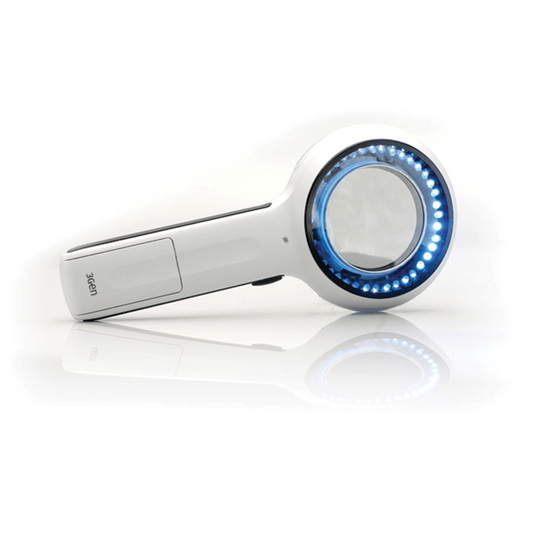
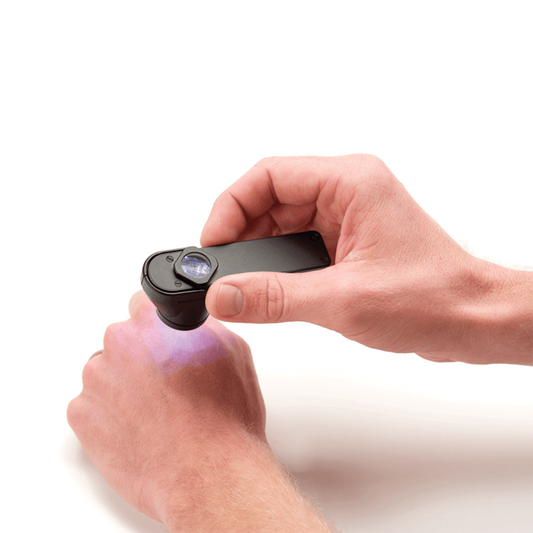
A dermatoscope is a handheld device used by dermatologists to examine skin conditions more closely. It magnifies and illuminates the skin, allowing for detailed examination of moles, lesions, and other skin features.
Choosing the best dermatoscope depends on factors such as the type of skin conditions you treat, portability, lighting features, and magnification power. Consider both handheld and digital models based on your needs.
Dermatoscopes come in two main types: polarized light dermatoscopes and non-polarized light dermatoscopes. Each offers different advantages for various skin examinations.
A dermatoscope is crucial for diagnosing skin conditions such as melanoma, basal cell carcinoma, squamous cell carcinoma, and other skin abnormalities.
To maintain your dermatoscope, regularly clean the lens with a soft cloth and use appropriate disinfectants to keep the device hygienic for safe patient use.
Yes, dermatoscopes can help detect early signs of skin cancer by allowing dermatologists to examine moles and skin lesions at a deeper level, identifying potential malignancies.
While dermatoscopes are primarily used by dermatologists, general practitioners can also use them to conduct initial skin examinations and make referrals to specialists when needed.
The price of dermatoscopes varies depending on the brand, features, and type. Expect to pay between $200 and $2000 for a quality dermatoscope, with digital models typically being on the higher end of the spectrum.
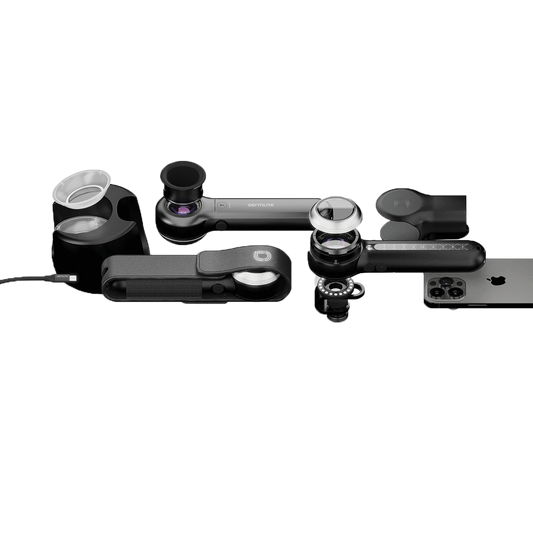
Digital dermatoscopes allow for high-resolution images to be taken of skin lesions, enabling long-term tracking of changes and aiding in early detection of skin cancer.
Dermatoscopes offer a higher level of accuracy in diagnosing skin conditions compared to traditional visual examinations, as they provide greater magnification and enhanced lighting to reveal detailed features.
Dermatoscopes provide a detailed view of suspicious moles or lesions, helping to distinguish between benign and malignant skin conditions. This leads to more accurate melanoma diagnosis and treatment.
Recent advancements include the introduction of digital dermatoscopes with built-in AI for automatic analysis, enhanced magnification, and the ability to store and compare patient images over time.
Yes, dermatoscopes are ideal for monitoring skin lesions over time, allowing for comparative analysis that helps dermatologists track changes and detect potential issues early.
A dermatoscope is used for visual examination of the skin, while a dermal pen is a device used for microneedling and delivering treatments to the skin. They serve different purposes in dermatology.
In most cases, dermatoscopes are not covered under standard health insurance policies, though some private health funds may provide partial reimbursement if the device is used for medically necessary treatments.
Choosing a selection results in a full page refresh.