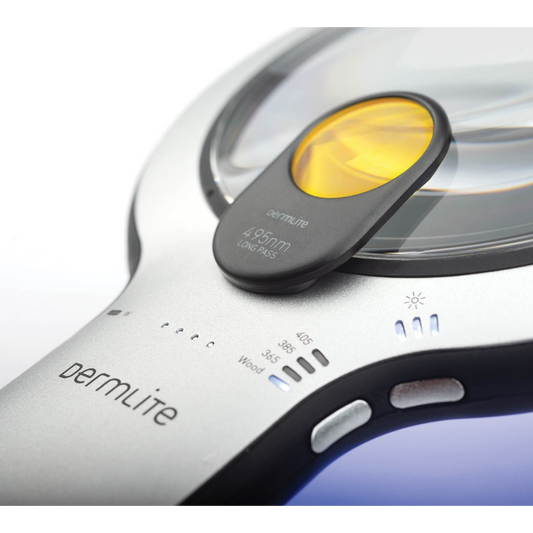
Professional Dermatology Equipment for Skin Examinations
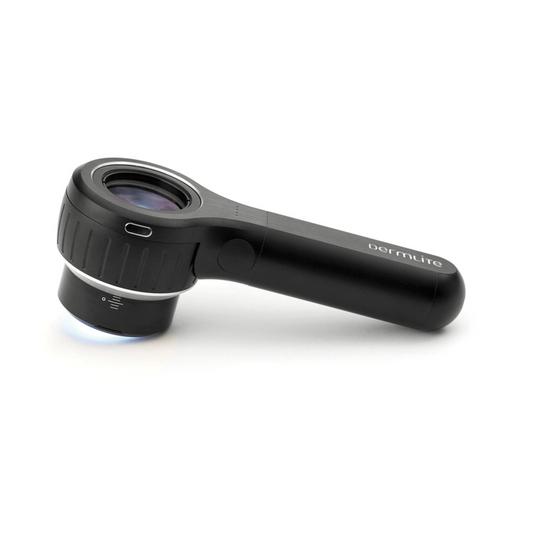
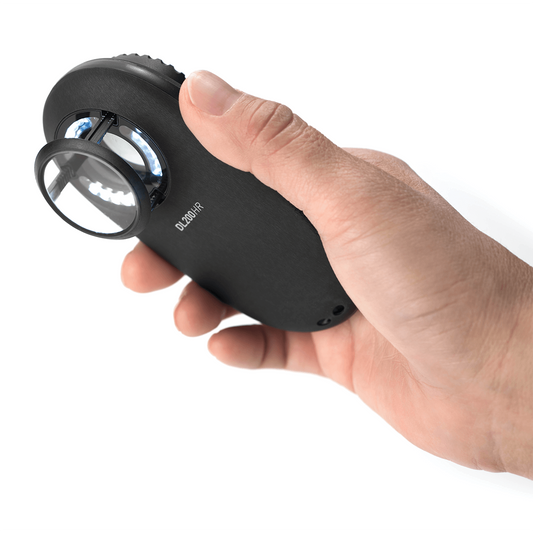
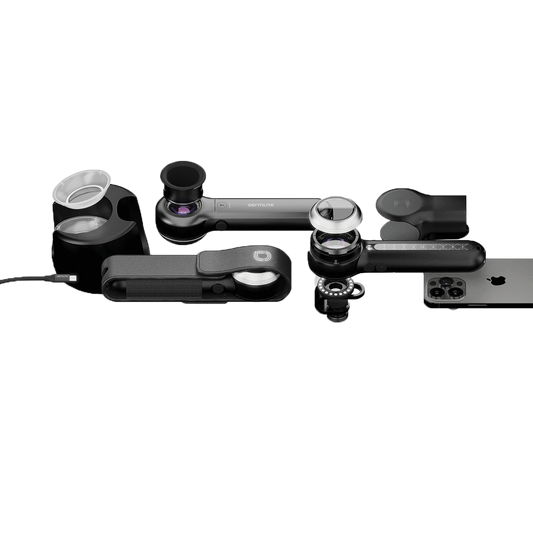
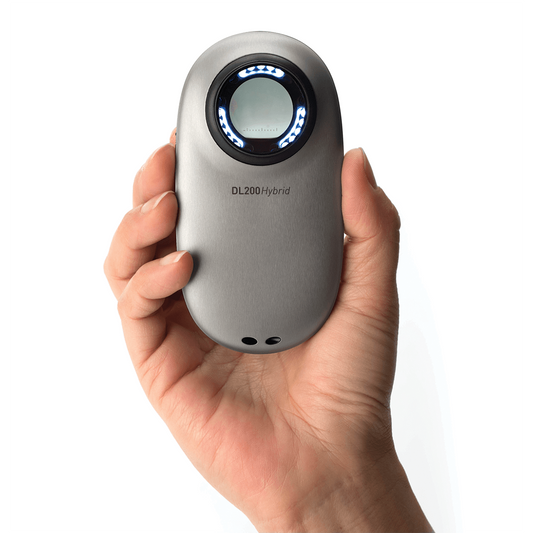
Accurate skin assessment starts with clear visibility and dependable tools. Our range of professional dermatology equipment supports detailed skin examinations and confident lesion analysis in clinical settings.
Featuring high-precision dermatoscopes, this collection delivers strong magnification and clear illumination, helping clinicians examine skin structures closely and make ... Read More
Professional Dermatology Equipment for Skin Examinations
Accurate skin assessment starts with clear visibility and dependable tools. Our range of professional dermatology equipment supports detailed skin examinations and confident lesion analysis in clinical settings.
Featuring high-precision dermatoscopes, this collection delivers strong magnification and clear illumination, helping clinicians examine skin structures closely and make informed diagnostic decisions. Whether conducting routine skin checks or detailed lesion analysis, these instruments provide the optical clarity and reliability that modern dermatological practice demands.
Key Benefits
-
Precise Diagnostics: Examine lesions and skin structures with exceptional clarity using high-quality magnification and controlled lighting that supports accurate assessment. Advanced optics reveal subsurface skin features and vascular patterns, enabling you to identify suspicious lesions with greater confidence and supporting early detection of skin conditions that might otherwise be missed during standard visual examination.
-
Ease of Use: Switch easily between lighting modes to suit different examination needs, allowing clinicians to focus on the patient rather than the equipment. Intuitive controls and ergonomic design enable smooth transitions during examinations, helping you maintain clinical flow and patient rapport while conducting thorough skin assessments throughout busy consulting days.
-
Built to Last: Designed for regular clinical use, these instruments deliver consistent performance and reliability over time. Robust construction and quality components ensure your dermatoscopes maintain their optical precision and functionality through thousands of examinations, providing the long-term dependability your practice requires.
Product Features
-
Comfort-Focused Design: Lightweight, well-balanced construction supports steady handling and reduces physical fatigue during detailed examinations. Ergonomic grip design and optimal weight distribution allow for extended use without hand strain, helping you maintain examination precision and patient comfort during comprehensive full-body skin checks or detailed lesion analysis.
-
Smart Space Solutions: Compact instruments and integrated accessories fit easily into consulting rooms and diagnostic kits without cluttering workspaces. Portable designs accommodate both fixed consulting room setups and mobile practice requirements, ensuring you have professional-grade dermatoscopy capabilities wherever examinations take place.
-
Quality Construction: Precision-engineered dermatoscopes include contact plates and essential accessories, built with durable materials for dependable, long-term use. Medical-grade components and scratch-resistant optics maintain image quality throughout regular clinical use, while easy-to-clean surfaces support infection control protocols in busy dermatology practices.
Explore our range of professional dermatoscopes and dermatology equipment to find the right tools for your practice
Read Less