Professional Neurological Assessment Tools You Can Trust
When it comes to neurological examination and patient assessment, having the right tools makes all the difference. That's why we've carefully curated a selection of neurological assessment instruments that deliver the accuracy and reliability you need in your practice.
From routine neurological screenings to detailed sensory evaluations and reflex testing, ... Read More
Professional Neurological Assessment Tools You Can Trust
When it comes to neurological examination and patient assessment, having the right tools makes all the difference. That's why we've carefully curated a selection of neurological assessment instruments that deliver the accuracy and reliability you need in your practice.
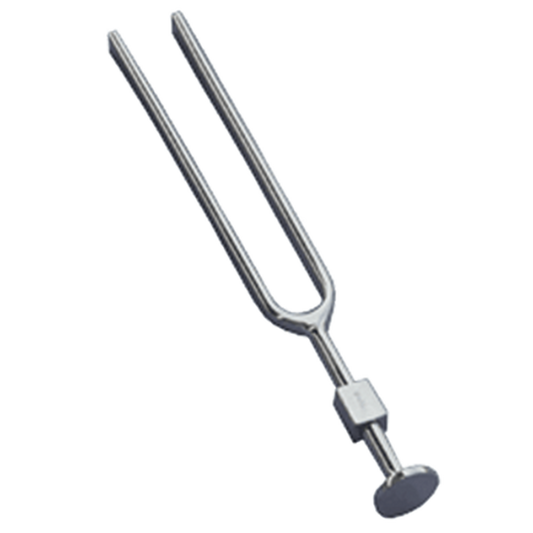
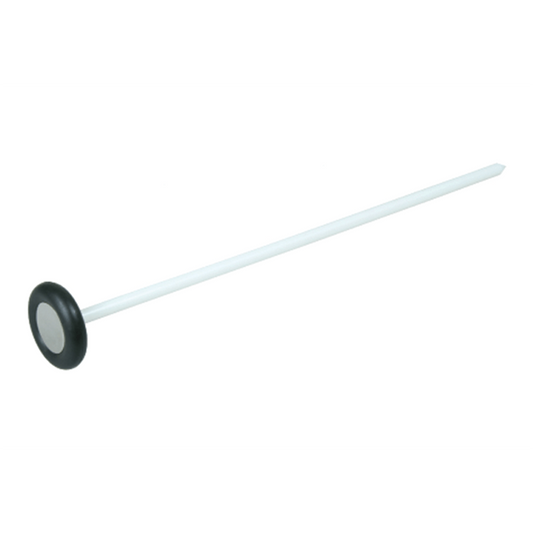
From routine neurological screenings to detailed sensory evaluations and reflex testing, our tools support you in delivering exceptional patient care every day. This collection includes essential instruments such as reflex hammers, tuning forks, monofilaments, and sensory testing equipment, helping clinicians carry out consistent, confident neurological evaluations in general practice, neurology, and rehabilitation settings.
Key Benefits
-
Precise Neurological Assessment: Our equipment delivers the accurate testing capability you need to confidently evaluate neurological function. You can trust these instruments to perform reliable reflex and sensory testing using tools designed to deliver consistent, repeatable results during neurological examinations. Standardised responses and calibrated sensory thresholds ensure your clinical findings are accurate and comparable across successive assessments.
-
Ease of Use: We know your time is valuable. That's why our products feature straightforward, user-friendly designs that streamline your examination workflow and support efficient patient assessment. Comfortable grips and balanced instruments allow smooth handling, even during longer assessments or repeated testing, helping you maintain examination precision without physical strain throughout busy clinical days.
-
Built to Last: Your diagnostic instruments need to keep up with your busy practice. Designed specifically for regular clinical use, these tools maintain accuracy and performance over time in busy healthcare environments. Constructed with durability at the forefront and engineered to withstand frequent daily use, these instruments deliver consistent results examination after examination despite repeated handling and cleaning.
Product Features
-
Comfort-Focused Design: Extended neurological examinations demand well-designed instruments. Our neurological assessment tools feature ergonomic handles and well-balanced construction that help reduce hand fatigue and support precise control during testing, enabling you to perform thorough evaluations with consistent technique. Comfortable grip design promotes steady, controlled movements essential for accurate reflex elicitation and sensory assessment.
-
Smart Space Solutions: Make the most of your practice space with our thoughtfully designed assessment tools. Compact instruments and complete examination sets fit easily into drawers, diagnostic kits, or carry cases without clutter, ensuring your neurological assessment capability remains organised and readily accessible. Portable sets suit both fixed consulting rooms and mobile practice requirements.
-
Quality Construction: We build every instrument with medical-grade materials and precision calibration that ensure reliable sensory thresholds and dependable performance for professional neurological assessment. This attention to quality delivers accurate force application, consistent vibratory frequencies, and standardised sensory testing that meets clinical assessment standards, even in the most demanding healthcare environments.
Explore our full range of neurological assessment tools to support accurate, consistent patient evaluation in your clinic or practice.
Read Less