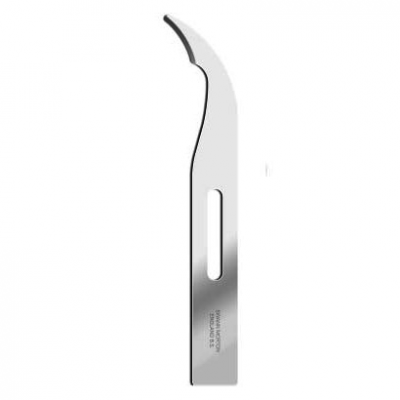
Professional Stitch Cutters You Can Trust
Stitch cutters are essential tools in clinical settings for the safe and efficient removal of sutures. With precision and safety at the forefront, our range of stitch cutters is designed to meet the high standards required in hospitals, medical clinics, and aged care facilities. These instruments ensure smooth and controlled cutting to prevent trauma to surrounding tissue while ai... Read More
Professional Stitch Cutters You Can Trust
Stitch cutters are essential tools in clinical settings for the safe and efficient removal of sutures. With precision and safety at the forefront, our range of stitch cutters is designed to meet the high standards required in hospitals, medical clinics, and aged care facilities. These instruments ensure smooth and controlled cutting to prevent trauma to surrounding tissue while aiding in the recovery process.
Key Benefits
-
Precise and Controlled Cutting: Our stitch cutters are designed to provide precise, clean cuts, reducing the risk of injury to surrounding skin or tissue. This is especially important in delicate areas where precision is key.
-
Comfort and Safety: By offering a smooth and atraumatic cutting action, our stitch cutters help to minimise discomfort during the removal of sutures, making the process more comfortable for patients.
-
Reduced Risk of Infection: The design of the cutter allows for efficient removal of stitches without dragging or causing additional damage to the wound, reducing the chances of infection during the procedure.
-
Ergonomic Design: The handle of each stitch cutter is ergonomically crafted for a firm, comfortable grip, ensuring full control during the removal process and enhancing safety for both the healthcare provider and the patient.
Product Features
-
High-Quality Stainless Steel Construction: Crafted from durable stainless steel, these cutters are designed to withstand frequent use while maintaining their sharpness and precision over time.
-
Compact and Lightweight: The design ensures that the cutters are lightweight and easy to handle, making them ideal for use in clinical environments where control and comfort are essential.
-
Safety and Hygiene: Each stitch cutter is individually packaged and sterile, ensuring safe use in medical procedures and reducing the risk of cross-contamination.
-
Sharp, Precision Blades: The high-quality, sharp blades make cutting through sutures smooth and efficient, allowing for quick and precise removal with minimal discomfort.
Explore our range of stitch cutters to find the perfect tool for safe and efficient suture removal in your clinical setting.
Read Less