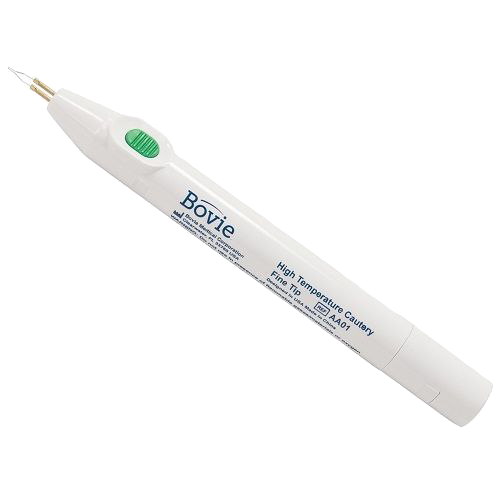
Professional Electrosurgery Equipment You Can Trust
When it comes to surgical precision and tissue control, having the right equipment makes all the difference. That's why we've carefully curated a selection of professional electrosurgery equipment that delivers the precision and reliability you need in your operating theatre.
From routine surgical procedures to complex tissue interventions and specialist operati... Read More
Professional Electrosurgery Equipment You Can Trust
When it comes to surgical precision and tissue control, having the right equipment makes all the difference. That's why we've carefully curated a selection of professional electrosurgery equipment that delivers the precision and reliability you need in your operating theatre.
From routine surgical procedures to complex tissue interventions and specialist operations, our electrosurgical generators support you in delivering exceptional patient outcomes every day. Built for hospital and clinical environments, these high-frequency systems give surgeons consistent output, flexible operating modes, and dependable safety features for use in critical procedures across a wide range of surgical specialties.
Key Benefits
-
Precise Surgical Control: Our equipment delivers the accurate control over tissue interaction you need to confidently perform surgical procedures. You can trust these generators to provide adjustable power settings and multiple operating modes that support clean cuts and effective coagulation. Advanced waveform technology ensures consistent energy delivery across different tissue types, enabling you to achieve optimal surgical outcomes with greater confidence throughout every procedure.
-
Ease of Use: We know your time is valuable. That's why our products feature straightforward, user-friendly designs that streamline your workflow and minimise disruption during critical surgical moments. Clear controls and intuitive interfaces allow surgical teams to adjust settings quickly, helping procedures run smoothly and efficiently while allowing you to maintain focus on the patient rather than equipment management.
-
Built to Last: Your equipment needs to keep up with your demanding surgical schedule. Designed specifically for frequent use in operating theatres, our electrosurgical generators deliver dependable performance year after year. Constructed with durability at the forefront and engineered to hospital-grade standards, these systems ensure consistent operation through thousands of surgical procedures.
Product Features
-
Comfort-Focused Design: High-pressure surgical procedures demand intuitive equipment. Our electrosurgical generators feature logical layouts, easy-to-read displays, and straightforward controls that reduce cognitive load during critical moments, helping surgical teams work efficiently and confidently even during complex or emergency procedures where quick adjustments are essential for patient safety.
-
Smart Space Solutions: Make the most of your operating theatre space with our thoughtfully designed equipment. These compact generator designs integrate easily into operating theatres and procedure rooms without disrupting existing setups. Space-efficient footprints and flexible mounting options accommodate various theatre configurations without cluttering sterile environments or compromising on functionality.
-
Quality Construction: We build every piece of equipment with hospital-grade components and integrated safety features. Patient return electrode monitoring, automatic power regulation, and variable output from 1 to 400 watts ensure safe, consistent performance across surgical applications. This attention to quality delivers reliable operation with integrated fault detection systems and audible alerts, even in the most demanding clinical environments.
Explore our full range of professional electrosurgery equipment and find the perfect solution for your operating theatre or procedure room.
Read Less