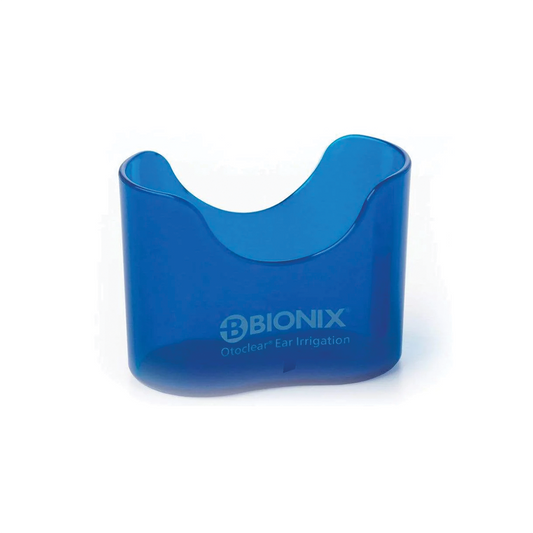
Collection: Ear Irrigation Machines

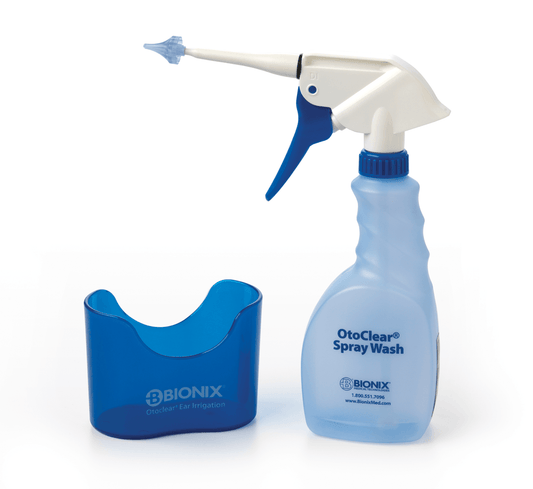
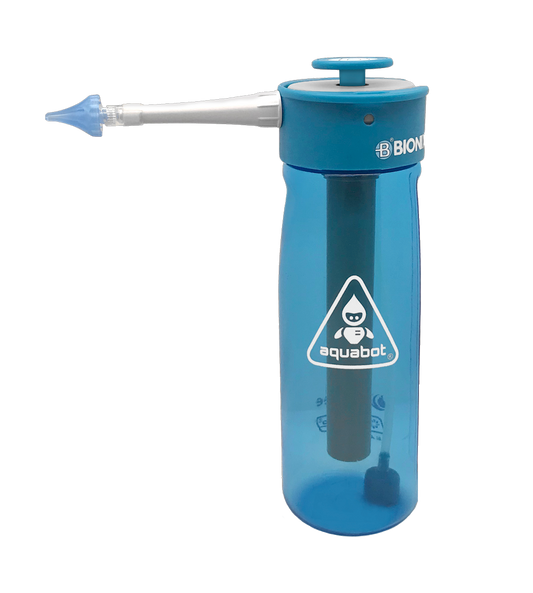
Medical Ear Syringe Kits

Specialised audiological equipment designed for safe and effective ear canal cleaning and ear wax removal. Our collection features controlled-pressure irrigation systems with adjustable flow settings for gentle yet thorough ear care procedures.

Controlled Water Pressure - Variable flow settings from gentle to moderate for patient comfort and safety

Temperature Regulation - Body-temperature water delivery to prevent dizziness and discomfort

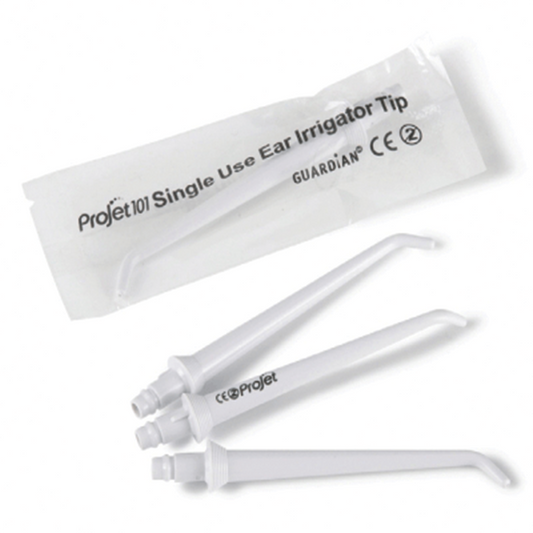
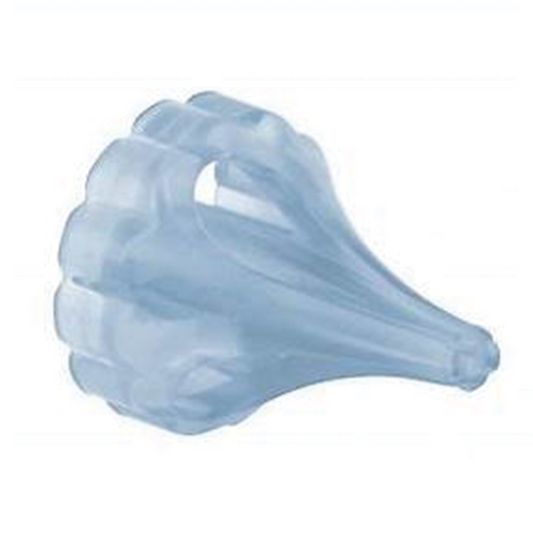
Multiple Tip Options - Various irrigation tips and speculum sizes for different ear canal requirements

Medical Grade - Purpose-built systems with safety controls for reliable ENT and primary care use

Professional ear irrigation systems ensure safe wax removal procedures and optimal ear health outcomes.

Filter and Sort

Filter and Sort

6 of 6 products

Price

The highest price is

$
$
Brand

6 products

All Ear Irrigation Machines

FAQ's

Ear irrigation is a medical procedure used to clear the ear canal of excess wax, debris, or foreign objects. It involves flushing the ear with warm water or a saline solution, which softens and dislodges the wax, allowing it to be removed safely.
Ear irrigation is important for preventing ear blockages caused by excessive earwax, which can lead to discomfort, hearing loss, and even infections. Regular ear irrigation helps maintain ear health by ensuring the ear canal remains clear and free from buildup.
Ear irrigation should only be performed when necessary. If you experience symptoms like ear fullness, hearing loss, or discomfort due to earwax buildup, it may be time to perform irrigation. Generally, ear irrigation should not be done more than once a month unless advised by a healthcare professional.
Ear irrigation is generally safe when done correctly. However, it is important to use the right technique and equipment to avoid damaging the delicate structures of the ear. Always follow guidelines or consult with a healthcare provider before performing ear irrigation.
Yes, ear irrigation can be done at home using a home ear irrigation kit. These kits typically include a syringe or bulb with warm water or saline solution. However, if you have a history of ear infections, a perforated eardrum, or other ear conditions, you should consult with a healthcare professional before attempting it.
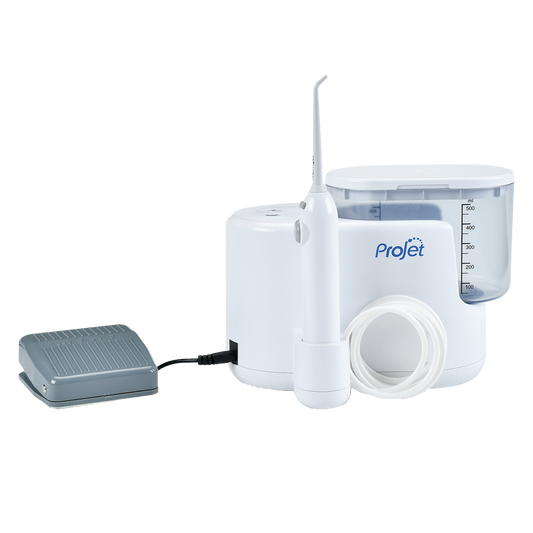
The main equipment needed for ear irrigation includes a syringe or bulb to administer the water, a basin or towel to catch the fluid, and a solution like warm water or saline. Some kits may also include ear drops to soften the wax before irrigation.
Ear irrigation is typically used to remove earwax, but it can also be used to clear water from the ear if needed. If water remains in the ear after swimming, you can tilt your head and use gentle irrigation to help flush out any trapped water.
While ear irrigation is generally safe, there are some risks, including damage to the ear canal or eardrum if too much pressure is used, infection, or irritation. It is important to follow proper instructions and avoid performing irrigation if you have any ear conditions, such as a perforated eardrum.
If ear irrigation does not effectively remove the wax or debris, you should avoid attempting additional irrigation. Instead, consult with a healthcare professional who can perform a more thorough cleaning or recommend alternative treatments such as ear drops or manual removal by a specialist.
Ear irrigation is not typically used to treat ear infections directly. However, it can help remove excess earwax, which may reduce the risk of infections. If you suspect an ear infection, it’s important to seek medical attention rather than relying on irrigation.
Ear irrigation is one of the most effective and least invasive methods of earwax removal. Compared to cotton swabs, which can push wax deeper into the ear canal, irrigation gently flushes out the wax. Other methods, such as ear drops or manual removal by a healthcare professional, can also be effective but may take longer.
Ear irrigation can be performed on children, but it requires extra care. Younger children may be more sensitive, so it is important to consult with a healthcare professional before attempting ear irrigation on a child. Special pediatric ear irrigation kits may also be recommended for younger patients.
The water used in ear irrigation should be lukewarm, ideally between 36°C and 38°C (97°F and 100°F). Using water that is too hot or too cold can cause discomfort or dizziness. Always check the temperature before beginning the irrigation process.
Some people may experience mild dizziness or discomfort during ear irrigation, especially if the pressure is too high or the water temperature is not ideal. If you feel discomfort or vertigo during the procedure, stop immediately and consult with a healthcare provider.
Yes, there are alternatives to ear irrigation, such as using ear drops to soften the wax or having a healthcare professional perform manual removal with specialised instruments. If you are unsure which method is best for you, it’s important to seek advice from a healthcare provider.