Professional Diagnostic Sets You Can Trust
Accuracy and precision are essential when performing medical assessments. That’s why we’ve carefully curated a selection of diagnostic sets designed to support healthcare professionals in delivering reliable, efficient assessments in various clinical environments.
From hospitals and medical clinics to treatment rooms and aged care facili... Read More
Professional Diagnostic Sets You Can Trust
Accuracy and precision are essential when performing medical assessments. That’s why we’ve carefully curated a selection of diagnostic sets designed to support healthcare professionals in delivering reliable, efficient assessments in various clinical environments.
From hospitals and medical clinics to treatment rooms and aged care facilities, our diagnostic sets are integral to ensuring thorough and accurate patient evaluations. Designed for professional healthcare environments, these sets help support timely diagnostics and consistent patient care.
Key Benefits
-
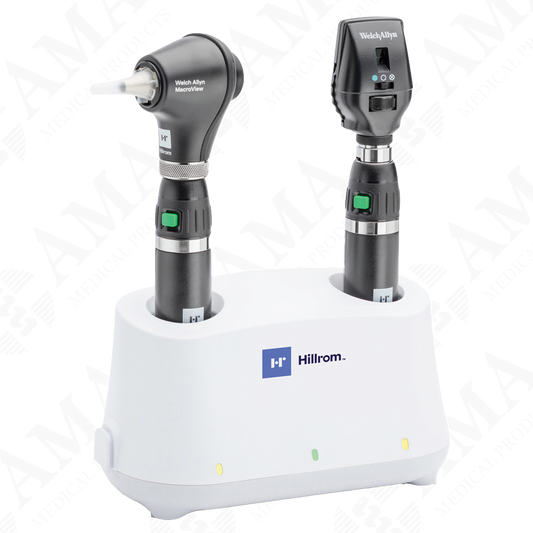
Comprehensive Diagnostic Tools: Each set includes essential instruments for assessing patient health, from stethoscopes to otoscopes, helping clinicians perform a range of evaluations with ease.
-
Reliable for Routine Clinical Use: Built for consistent performance, our diagnostic sets are designed to withstand daily use in fast-paced clinical environments, ensuring accurate readings every time.
-
Enhanced Patient Comfort: Designed with patient comfort in mind, our diagnostic instruments ensure minimal discomfort during examinations, promoting a better overall patient experience.
-
High-Quality Construction: Manufactured from durable, medical-grade materials to ensure longevity and performance in demanding healthcare settings.
-
Convenience in One Set: Our diagnostic sets come with everything you need in one package, eliminating the need to purchase multiple individual instruments.
Product Features
-
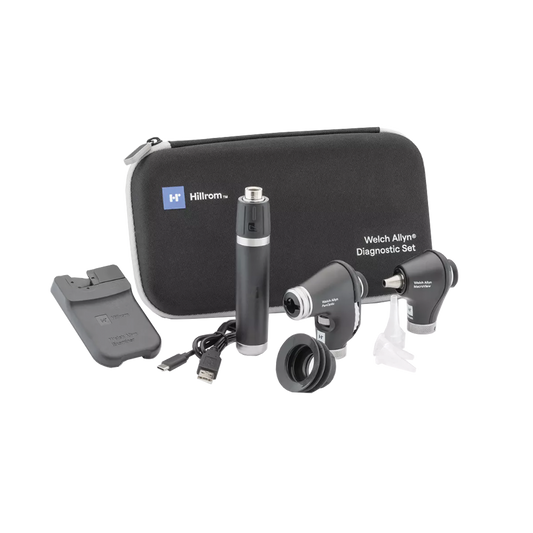
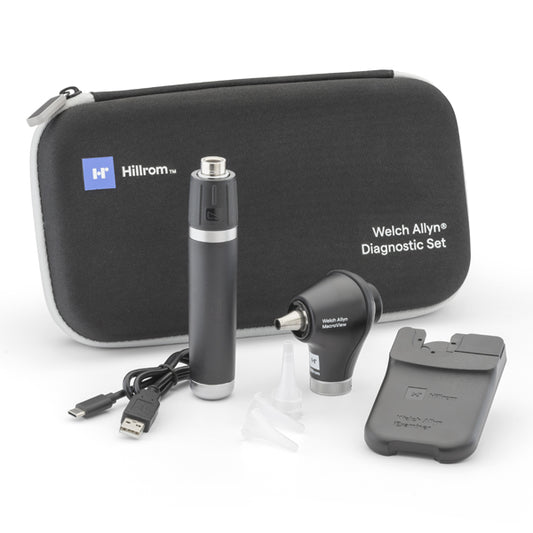
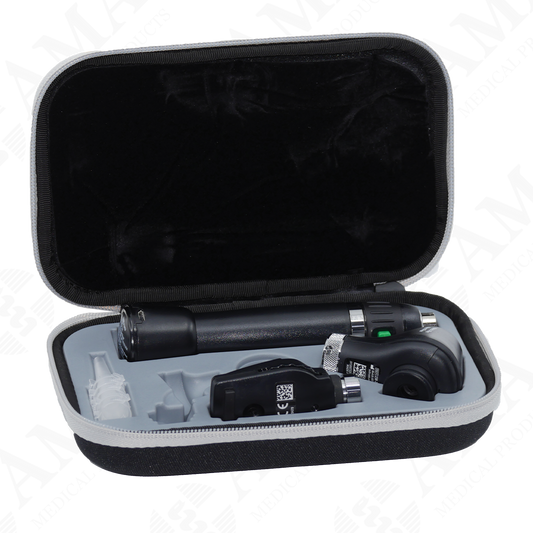
Comprehensive Set Contents: Each diagnostic set typically includes items like a stethoscope, otoscope, blood pressure cuff, and thermometer, all housed in a convenient, durable carrying case.
-
Precision Engineering: Designed for accuracy, our sets feature high-quality instruments that deliver reliable readings, from blood pressure monitoring to ear examinations.
-
Durable Medical-Grade Materials: Our diagnostic instruments are built with high-quality materials that are designed for long-term use, even in demanding healthcare environments.
-
Portable and Easy to Use: Convenient and portable, these sets make it easy for healthcare professionals to carry their diagnostic tools on the go, ensuring that exams can be performed anywhere.
-
Easy to Clean and Maintain: Crafted to meet infection control standards, our diagnostic tools are simple to clean and sterilise, ensuring they remain in optimal condition for long-lasting use.
Our collection includes:
Explore our full range of diagnostic sets and find the right tools to support efficient and accurate health assessments in your clinical practice.
Read Less