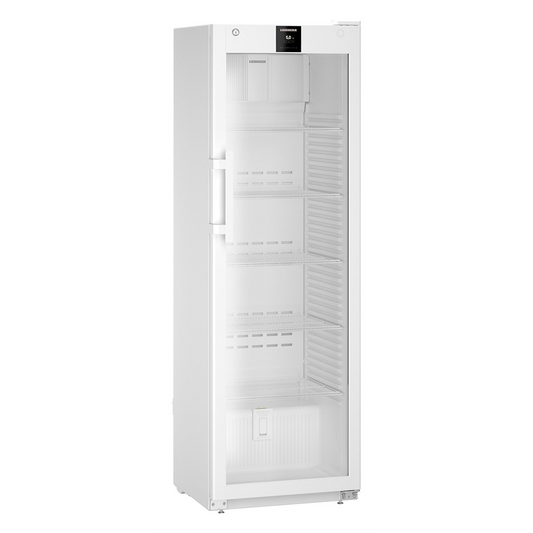
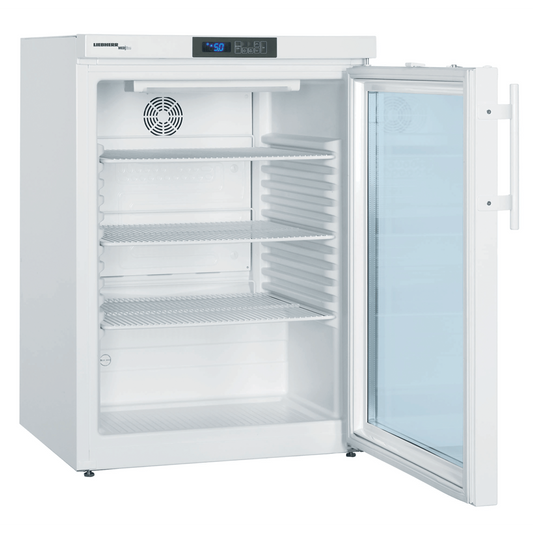
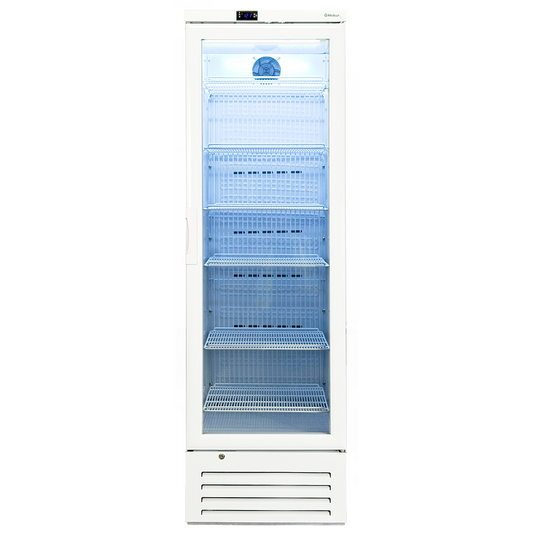
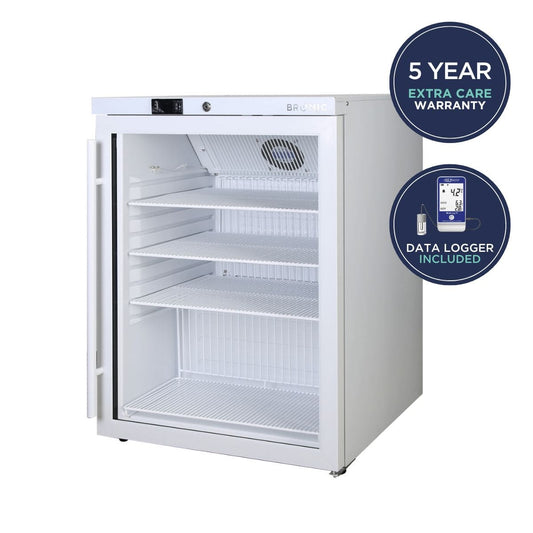
Collection: Vaccine Fridges

Professional Medical Vaccine Storage Solutions

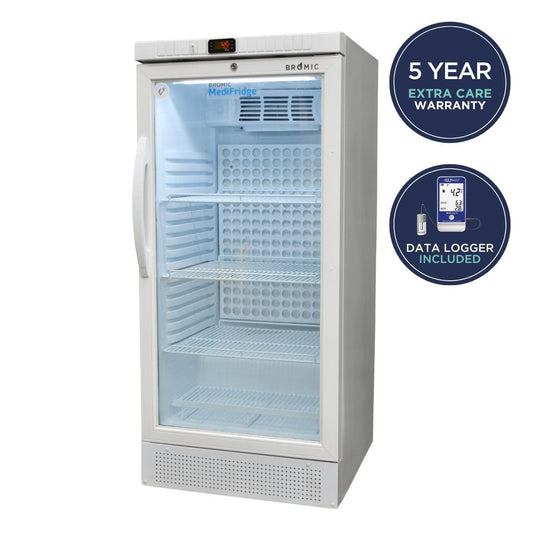
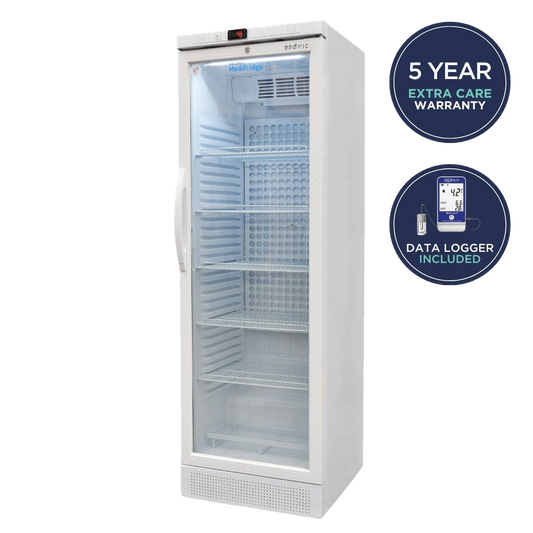
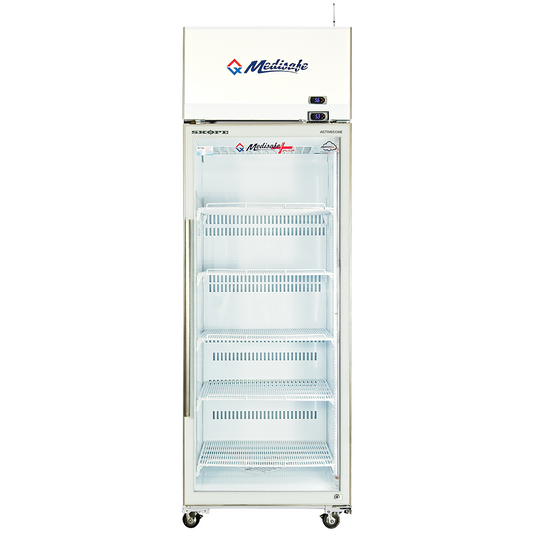
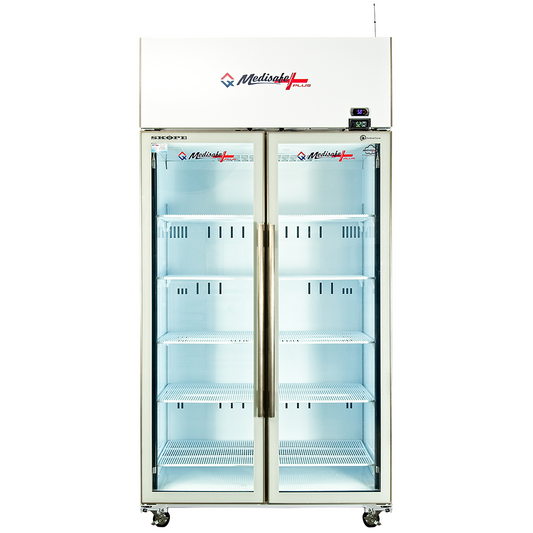
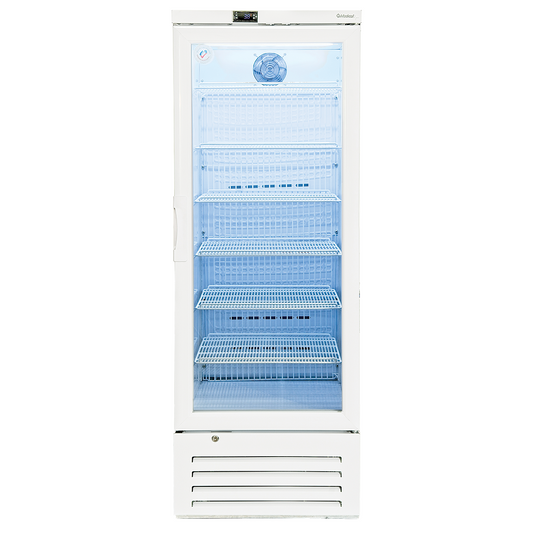
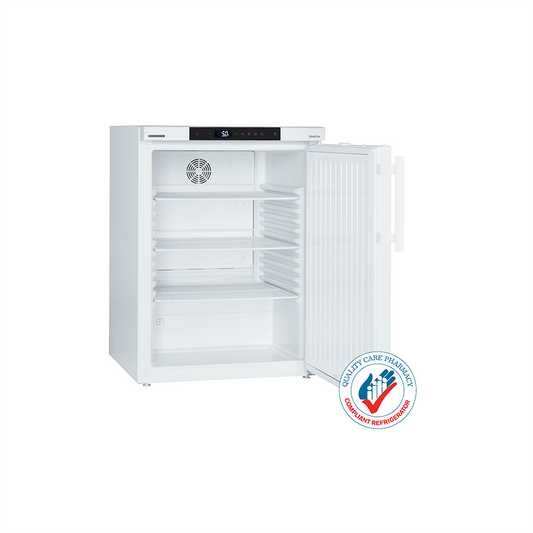
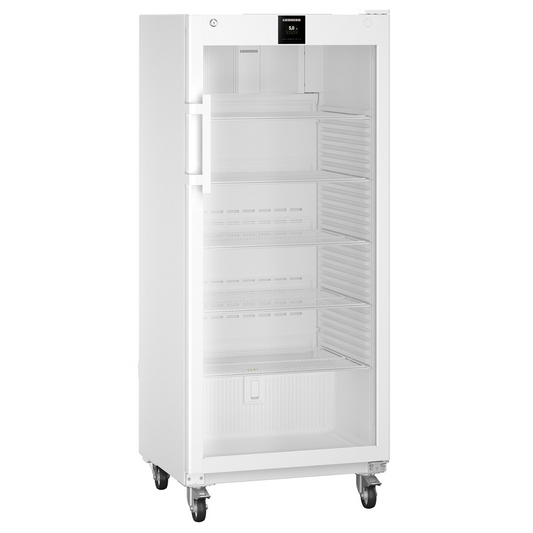
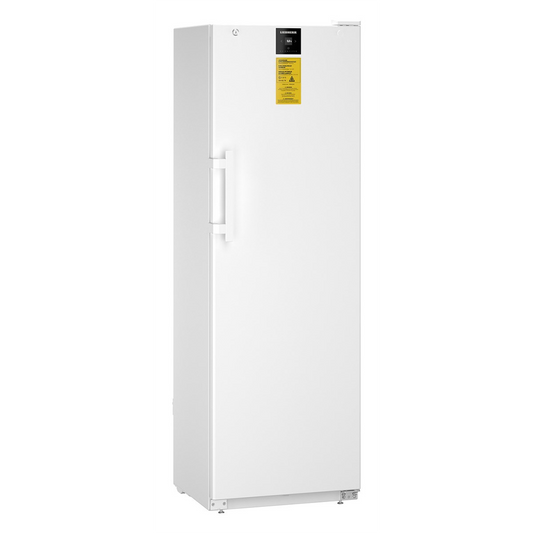
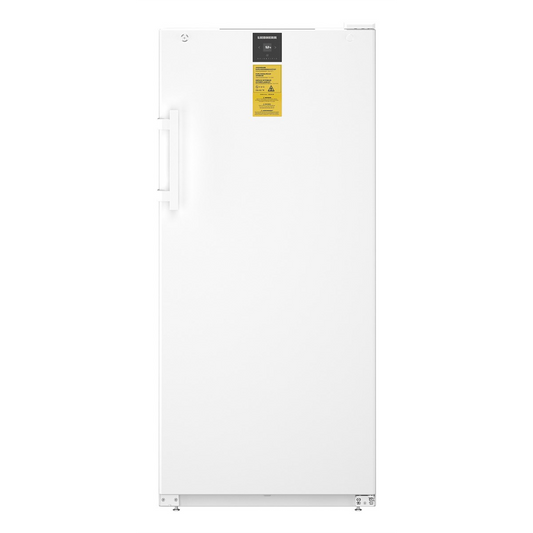
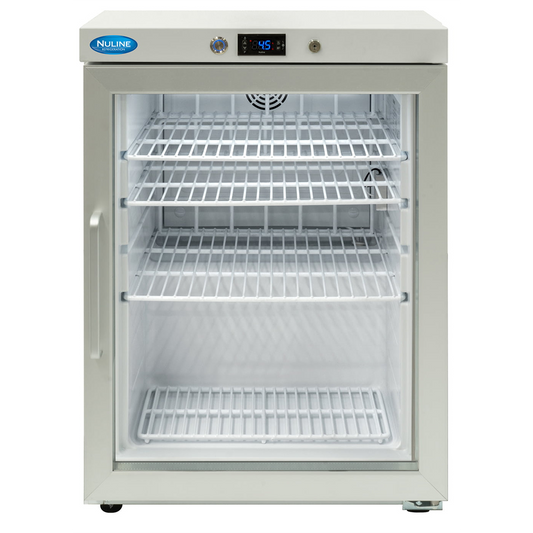
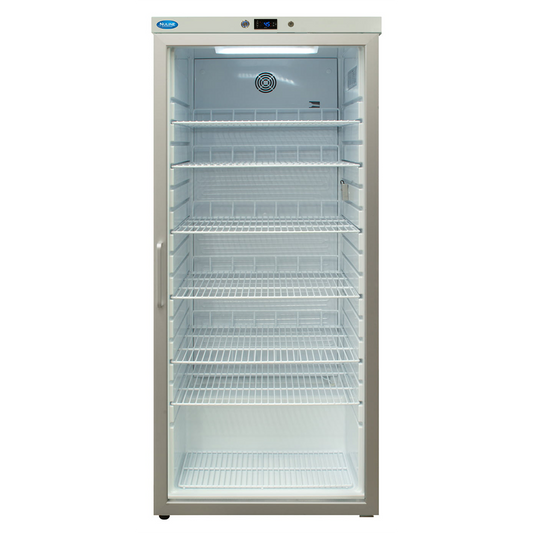
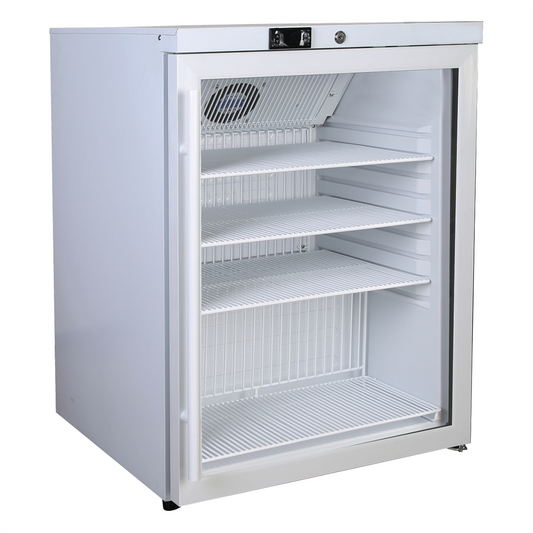
Specialised refrigeration systems designed for safe vaccine storage and pharmaceutical cold chain management. Our collection features medical-grade vaccine fridges with precise temperature control for maintaining vaccine efficacy.

Precise Temperature Control - Maintains optimal 2-8°C range for vaccine integrity

Multiple Capacities - Compact benchtop to large capacity units for any practice size

Advanced Monitoring - Digital displays and alarm systems for temperature security

Medical Grade - Purpose-built for pharmaceutical storage with reliable performance

Professional vaccine refrigeration ensures cold chain compliance and vaccine potency.

Filter and Sort

Filter and Sort

28 of 28 products

Price

The highest price is

$
$
Brand

28 products

All Vaccine Fridges

FAQ's

A vaccine fridge is a specialised refrigerator designed to store vaccines at precise, controlled temperatures. Proper storage is critical to maintaining the potency and effectiveness of vaccines. Vaccine fridges ensure vaccines are stored safely, reducing the risk of spoilage and ensuring optimal efficacy.
A vaccine fridge should maintain a temperature between 2°C and 8°C (36°F and 46°F) to ensure vaccines are stored at the right conditions. It's essential to monitor temperatures regularly to prevent vaccines from freezing or being stored at temperatures that could compromise their effectiveness.
While you can use a regular fridge for short-term vaccine storage, it is not recommended due to the lack of temperature consistency. Regular fridges may fluctuate in temperature, which can compromise the effectiveness of vaccines. Vaccine fridges are specifically designed to maintain a stable and controlled environment for safe storage.
Vaccine fridges are designed with more precise temperature control, better insulation, and features like alarms to alert users if the temperature goes outside the safe range. They also provide more consistent cooling and are often equipped with digital thermometers and data logging systems to ensure compliance with vaccine storage guidelines.
The temperature of a vaccine fridge should be checked at least twice a day. Many vaccine fridges come with built-in temperature logging and alarms to make this process easier and more reliable. Regular checks ensure that vaccines remain within the recommended temperature range for optimal effectiveness.
Look for features such as precise temperature control, digital thermometers, temperature alarms, door locks, and sufficient storage capacity. Ideally, the fridge should have a temperature range of 2°C to 8°C, a stable cooling system, and a backup power option in case of power outages.
Regular maintenance of a vaccine fridge includes checking temperature readings, cleaning the interior and exterior, and ensuring that the door seals are intact. Clean the fridge using non-abrasive cleaning agents and ensure that any dust or debris around the condenser coils is removed. Regularly check the fridge for any signs of malfunction or damage.
While vaccine fridges are designed specifically for vaccine storage, they can also be used to store other temperature-sensitive medical supplies, such as blood products, insulin, or certain medications, as long as the items require similar temperature conditions. Ensure that the fridge is not overloaded, as this can affect the air circulation and temperature stability.
If the temperature in a vaccine fridge goes outside the safe range, vaccines may lose their potency and become ineffective. Most vaccine fridges have alarms that trigger when the temperature is outside the acceptable range, allowing you to take immediate action, such as adjusting the settings or moving vaccines to a backup fridge.
Vaccines can be stored in a vaccine fridge for varying lengths of time, depending on the type of vaccine and manufacturer recommendations. It is important to always refer to the specific storage guidelines for each vaccine. Vaccines should not be used past their expiration date and should be stored within the recommended temperature range.
A dedicated vaccine fridge ensures that vaccines are stored under optimal conditions, with precise temperature control and fewer risks of contamination. Using a dedicated fridge minimizes the risk of other items, such as food or non-medical supplies, affecting the temperature stability required for safe vaccine storage.
Many modern vaccine fridges come with remote monitoring capabilities, allowing you to track the temperature through mobile apps or online portals. This feature is especially useful for monitoring storage conditions in multiple locations or in cases where the fridge is not regularly attended.
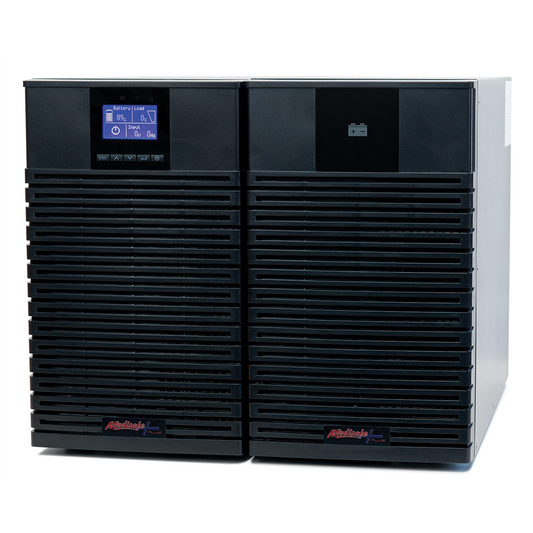
A backup power system ensures that the vaccine fridge continues to operate during power outages, maintaining the correct temperature range and preventing vaccine spoilage. Some vaccine fridges come with built-in battery backups or can be connected to external power sources to ensure continuous operation.
A lock on a vaccine fridge ensures that only authorized personnel can access the contents. This is particularly important in environments with multiple staff members or patients, as it helps prevent accidental temperature changes or contamination, ensuring that vaccines are stored securely.
f the temperature goes out of range for an extended period, you should immediately assess the situation, including whether the vaccines have been exposed to extreme temperatures for too long. If necessary, consult the manufacturer’s guidelines or contact the vaccine supplier to determine whether the vaccines can still be used.
The door seals should be checked regularly (at least once a month) to ensure they are intact and properly sealed. Damaged or worn seals can cause temperature fluctuations and compromise vaccine storage. Clean the seals regularly and replace them if they show signs of wear.
A vaccine fridge should be placed in a cool, dry, and well-ventilated area, away from direct sunlight, heating vents, or any sources of heat. Avoid placing it near doors or windows where temperature fluctuations could affect its performance. Ensure the fridge is on a flat, stable surface for optimal functioning.
Yes, there are specific guidelines for transporting vaccines, including maintaining the correct temperature range throughout the journey. Vaccines should be packed with ice packs or refrigerated transport containers to ensure they stay within the recommended temperature range during transit. Always use validated shipping containers for vaccine transport.
To ensure compliance, regularly check your vaccine fridge for temperature accuracy, keep detailed records of temperature logs, and follow manufacturer-specific storage guidelines for each vaccine. In addition, some countries have specific regulations regarding vaccine storage, so it is important to stay updated on these requirements.
Common issues with vaccine fridges include temperature fluctuations, power failures, and inadequate cooling. To avoid these problems, ensure regular maintenance, monitor the temperature regularly, check the backup power systems, and ensure that the fridge is not overcrowded. Performing routine checks and keeping the fridge clean can also help prevent issues.