Collection: Ultrasonic Cleaners

Medical-Grade Ultrasonic Cleaners

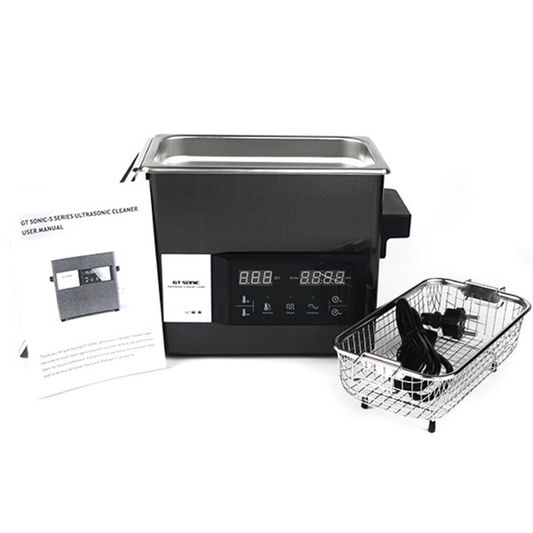
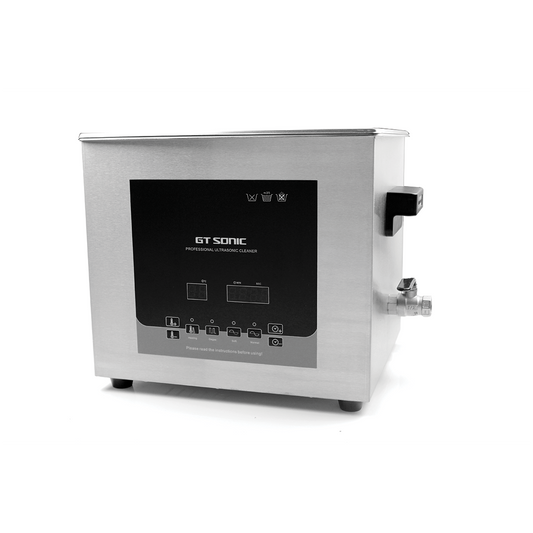
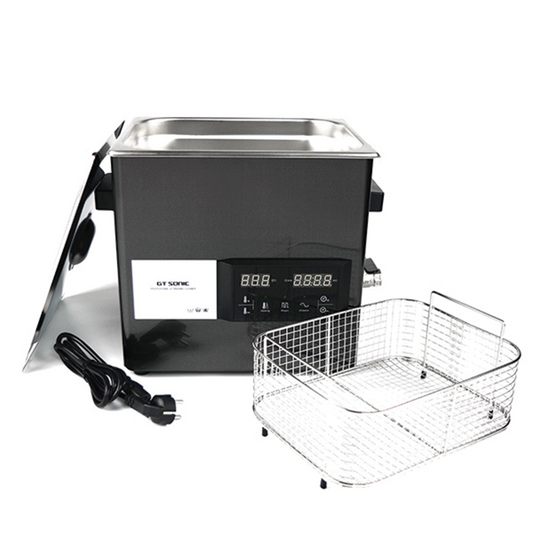
Advanced Ultrasonic cleaning technology designed for thorough decontamination of medical instruments and equipment. Our collection features high-frequency ultrasonic cleaners with powerful cavitation action for effective removal of contaminants from complex surfaces.

Powerful Cleaning Action - High-frequency ultrasonic waves for deep cleaning in hard-to-reach areas

Multiple Tank Sizes - Compact benchtop to large capacity units for various instrument volumes

Adjustable Controls - Variable frequency, temperature, and timer settings for optimal cleaning cycles

Medical Grade - Stainless steel construction with reliable performance for sterile processing

Professional ultrasonic cleaning systems ensure thorough instrument decontamination and infection control compliance.

Filter and Sort

Filter and Sort

2 of 5 products

Price

The highest price is

$
$
Brand

2 of 5 products

FAQ's

An ultrasonic cleaner is a device that uses high-frequency sound waves to clean items. The sound waves create microscopic bubbles in a cleaning solution, which implode and produce a scrubbing action that removes dirt, grease, and contaminants from the surface of objects, even in hard-to-reach areas.
Ultrasonic cleaners can be used to clean a wide variety of items, including jewellery, dental and medical instruments, laboratory equipment, watches, automotive parts, and electronics. They are ideal for delicate items or those with intricate designs that require thorough and gentle cleaning.
Ultrasonic cleaners offer several advantages over traditional cleaning methods, such as providing more thorough cleaning, reaching tight corners, and removing contaminants without causing damage. They are also more efficient and can clean multiple items at once, saving time and effort.
The cleaning time depends on the type of items being cleaned and the level of contamination. In general, ultrasonic cleaning takes anywhere from a few minutes to around 20 minutes per batch. For heavily soiled items, a longer cleaning time may be needed for optimal results.
Ultrasonic cleaners are highly effective for cleaning medical and dental instruments, ensuring that all contaminants, including bacteria, viruses, and organic matter, are removed from hard-to-reach areas. They provide a fast, thorough, and non-abrasive cleaning process that helps maintain the sterility of instruments.
Yes, ultrasonic cleaners can be used for cleaning electronic components, such as circuit boards, connectors, and sensors, by gently removing dirt, grease, and flux residues. However, it’s important to ensure that the components are dry before using them again to prevent electrical issues.
The cleaning solution used in an ultrasonic cleaner depends on the type of items being cleaned and the nature of the contaminants. Generally, a mild detergent mixed with water is sufficient for most items. For specialised cleaning, such as removing oil or grease, an industrial ultrasonic cleaning solution may be required.
Regular maintenance of your ultrasonic cleaner includes cleaning the tank, replacing the cleaning solution as needed, and checking for any damage to the transducers or the ultrasonic generator. It's also important to inspect and clean the ultrasonic probe or basket to ensure efficient operation.
Ultrasonic cleaners are generally safe to use when following the manufacturer’s instructions. They are non-abrasive and do not damage most items. However, caution should be exercised when cleaning delicate or valuable objects, such as certain gemstones or antique items, which may be sensitive to ultrasonic cleaning.
When choosing an ultrasonic cleaner, consider factors such as the size of the items you need to clean, the frequency and power of the ultrasonic waves, the capacity of the tank, and the specific cleaning solutions required. Additionally, make sure the cleaner has appropriate safety features, such as timers and temperature controls.
Cavitation is the formation of microscopic bubbles in the cleaning solution that implode during ultrasonic cleaning. This process generates high levels of energy that break down dirt and contaminants, allowing for a more effective and thorough cleaning process compared to manual or traditional methods.
Yes, ultrasonic cleaning is widely used in industrial applications, such as cleaning metal parts, automotive components, machinery, and electronic devices. It’s particularly effective for removing grease, oils, and metal shavings from parts without damaging them.
High-frequency ultrasonic cleaners (typically above 40 kHz) are ideal for cleaning delicate items like jewellery and electronic components, as they produce smaller bubbles for gentle cleaning. Low-frequency ultrasonic cleaners (below 40 kHz) are better suited for industrial cleaning tasks, as they create larger bubbles for more aggressive cleaning.
Yes, ultrasonic cleaners are an excellent option for cleaning firearms. They can remove residue, dirt, and carbon buildup from intricate parts of the firearm, including barrels, slides, and other components, without causing damage. Specialised cleaning solutions for firearms can improve results.
Yes, ultrasonic cleaners are effective for removing tarnish from silver and other metals. By using a suitable cleaning solution, ultrasonic cleaning can safely remove tarnish and restore the shine to silverware, jewellery, and other silver items without causing damage.
The frequency of an ultrasonic cleaner impacts the size of the bubbles produced. High-frequency cleaners (above 40 kHz) generate smaller bubbles, ideal for delicate cleaning tasks, while lower frequencies (below 40 kHz) create larger bubbles, making them more effective for heavy-duty industrial cleaning.
Always follow the manufacturer’s instructions, use the appropriate cleaning solutions, and ensure the device is on a stable surface. Wear gloves if handling potentially hazardous cleaning solutions, and avoid placing items that may be sensitive to ultrasonic cleaning, such as certain gemstones or fragile materials.
In medical and dental offices, ultrasonic cleaners provide a quick, effective, and hygienic way to clean instruments such as dental tools, surgical instruments, and other medical devices. By removing debris and microorganisms thoroughly, ultrasonic cleaning helps ensure that instruments are properly sterilised and ready for reuse.
Yes, ultrasonic cleaners are commonly used to clean delicate jewellery, including rings, necklaces, and watches. The gentle cavitation process effectively removes dirt, oils, and grime from hard-to-reach areas of jewellery, making it shine without damaging the item.
To ensure your ultrasonic cleaner is working properly, regularly check its performance by comparing cleaning results with other methods, such as manual cleaning. If the ultrasonic cleaner is not producing optimal results, check the tank for debris, ensure the transducers are functioning, and replace the cleaning solution.