Collection: Spirometers

Medical Spirometry Machines

Advanced respiratory testing equipment designed for accurate lung function assessment and pulmonary diagnosis. Our collection features medical-grade spirometers with precise flow measurement and comprehensive testing capabilities for reliable respiratory health evaluation.

Accurate Lung Function Testing - Precise measurement of respiratory volumes and flow rates for diagnostic accuracy

Comprehensive Analysis - Complete pulmonary function parameters, including FEV1, FVC, and peak flow measurements

Clinical Grade Performance - Medical-grade sensors and calibration for reliable respiratory assessment

User-Friendly Operation - Intuitive interfaces and reporting systems for efficient patient testing and documentation

Professional spirometry equipment ensures accurate pulmonary function assessment and comprehensive respiratory health monitoring.

Types of Spirometers Available

Desktop Spirometers

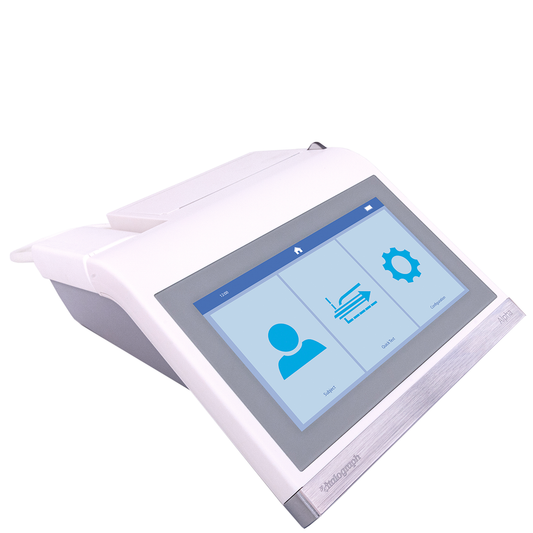
Professional desktop spirometers provide comprehensive pulmonary function testing with advanced measurement capabilities. These full-featured units offer complete spirometry analysis with detailed reporting for clinical environments.

Portable Spirometers

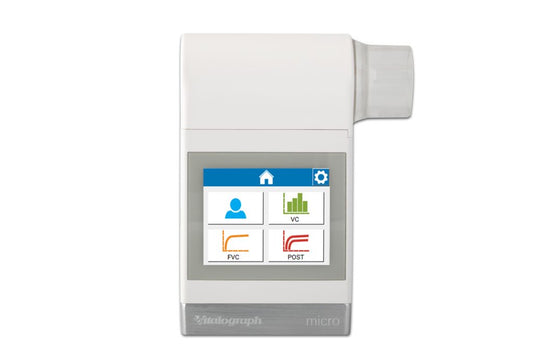
Compact portable spirometers deliver accurate lung function testing in a lightweight, mobile design. Perfect for multi-location practices, home visits, and point-of-care respiratory assessment.

Office Spirometers

Office-based spirometers combine ease of use with clinical accuracy, designed specifically for primary care and specialty practices requiring regular pulmonary function testing.

PC-Based Spirometers

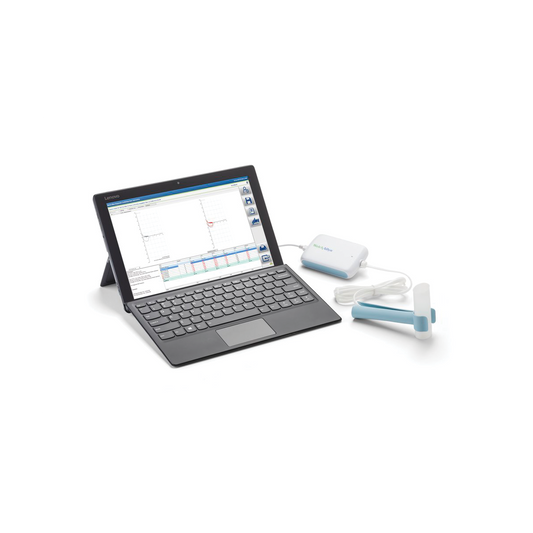
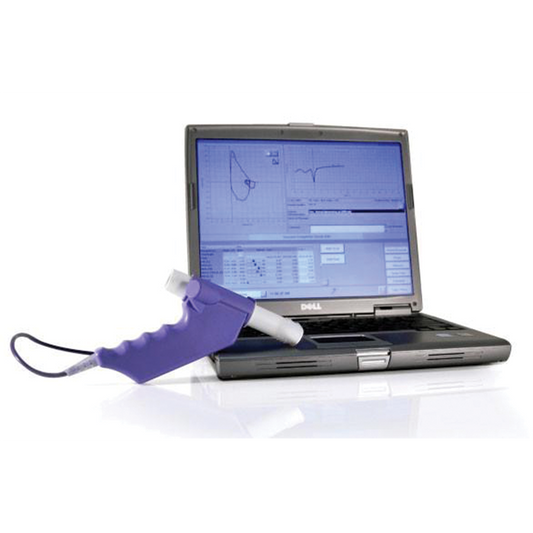
Computer-integrated PC spirometers offer advanced data management and analysis capabilities, connecting seamlessly with electronic health records and practice management systems.
Filter and Sort

Filter and Sort

6 of 6 products

Price

The highest price is

$
$
Brand

6 products

All Spirometers

FAQ's

A spirometer is a medical device used to measure lung function by assessing the amount and speed of air a person can breathe in and out. It works by having the patient breathe into a mouthpiece, and the device records the volume of air exhaled, helping doctors assess respiratory health and diagnose conditions like asthma, COPD, and other lung diseases.
Spirometry is essential for diagnosing and monitoring lung conditions such as asthma, chronic obstructive pulmonary disease (COPD), and other restrictive or obstructive pulmonary diseases. It helps track lung function over time and ensures that treatments are effective in managing these conditions.
A spirometer is used to diagnose and monitor a range of conditions, including asthma, COPD, emphysema, bronchitis, pulmonary fibrosis, and other respiratory conditions. It provides valuable data on airflow, lung volumes, and the ability of the lungs to expel air, which helps healthcare providers diagnose these conditions.
To use a spirometer correctly, you must breathe in deeply and then exhale forcefully into the mouthpiece. The test may be repeated several times to ensure accuracy. It’s essential to follow your healthcare provider’s instructions for the test to ensure the results are reliable.
Handheld spirometers are portable devices that are easy to carry and often used in home settings or for mobile health assessments. Desktop spirometers are more advanced machines typically found in medical offices and hospitals, offering more detailed data analysis, larger display screens, and enhanced features for comprehensive testing.
A spirometer measures various lung function parameters, including Forced Vital Capacity (FVC), Forced Expiratory Volume (FEV1), Peak Expiratory Flow (PEF), and the ratio of FEV1/FVC, which helps assess the airflow and the efficiency of the lungs. These measurements are key to diagnosing and managing respiratory conditions.
Spirometers are often used for routine check-ups, especially for patients with risk factors for respiratory diseases, such as smokers, those with a family history of lung disease, or individuals with symptoms like shortness of breath, wheezing, or chronic cough. They are also used to monitor patients with existing respiratory conditions.
Yes, spirometers are effective at detecting early signs of lung disease, even before symptoms appear. For instance, changes in lung function, such as a decrease in Forced Expiratory Volume (FEV1), can indicate early-stage COPD or asthma, enabling early intervention and treatment.
A normal spirometry reading varies depending on factors like age, sex, height, and weight. Generally, healthy individuals will have a Forced Expiratory Volume (FEV1) and Forced Vital Capacity (FVC) close to their predicted values based on these factors. A healthcare provider will compare your results to normal ranges to assess lung function.
The frequency of using a spirometer at home depends on your medical condition and your healthcare provider’s recommendations. For individuals with chronic respiratory diseases like asthma or COPD, regular use may be recommended to track lung function and monitor the effectiveness of treatments.
There are several types of spirometry tests, including the basic FVC (Forced Vital Capacity) test, the FEV1/FVC ratio, and the bronchodilator response test, which measures lung function before and after using a bronchodilator medication. Your healthcare provider will determine which test is appropriate based on your symptoms and medical history.
Spirometry results can help doctors assess the severity of asthma or COPD, track changes in lung function over time, and adjust treatment plans accordingly. For example, an increase in FEV1 after using a bronchodilator may indicate reversible airflow obstruction in asthma, while a decrease over time could signal worsening COPD.
Yes, spirometry is often used to assess lung recovery after surgery or respiratory illness. It provides valuable insights into how well the lungs are functioning and whether there is any long-term damage or impairment to lung function.
In occupational health, spirometry is used to monitor workers who may be exposed to hazardous substances, such as dust, chemicals, or fumes. Regular spirometry tests help detect early signs of lung damage, ensuring timely intervention and preventing further impairment.
Healthy lifestyle changes, such as quitting smoking, staying physically active, eating a balanced diet, avoiding allergens, and following prescribed medication regimens, can help improve lung function and maintain healthy spirometry results. Regular exercise and breathing techniques can strengthen the lungs and improve airflow.
Yes, spirometry can help predict the progression of lung diseases by monitoring changes in lung function over time. Early detection of declines in FEV1 or FVC allows healthcare providers to intervene early, slow the progression of the disease, and improve long-term outcomes.
A bronchodilator test measures lung function before and after using a bronchodilator medication, which helps open up the airways. It is used to assess whether the patient’s respiratory condition, such as asthma, is reversible with medication, and to guide treatment decisions.
Spirometry tests can identify changes in lung function that indicate conditions like emphysema, such as a reduced FEV1 or an abnormal FEV1/FVC ratio. Early detection through spirometry allows for more timely and effective management of the condition, helping prevent further lung damage.
If you get abnormal spirometry results, it’s important to follow up with your healthcare provider, who may recommend further tests or treatments. Abnormal results could indicate the presence of lung disease, so it’s essential to seek a comprehensive evaluation to determine the cause and appropriate treatment.
While a spirometer can help identify changes in lung function that may indicate asthma or other respiratory conditions, it is not specifically designed to detect asthma triggers. However, tracking spirometry results alongside identifying triggers (such as allergens or exercise) can help manage asthma effectively and reduce flare-ups.