Collection: Otoscopes

Professional Ear Examination Instruments

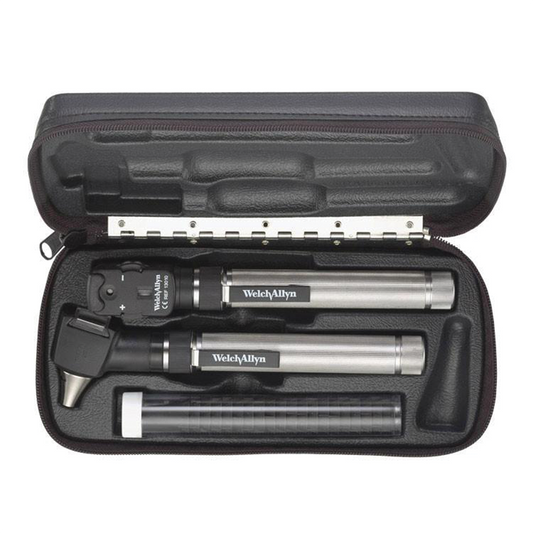
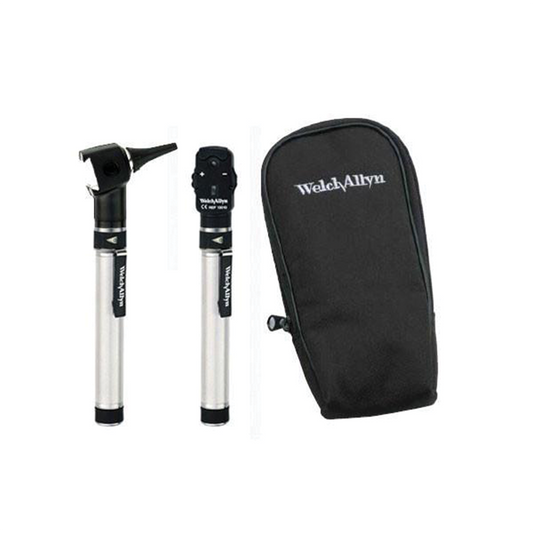
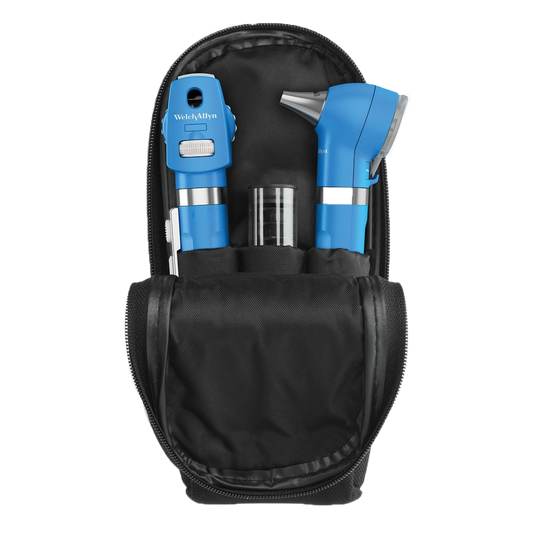
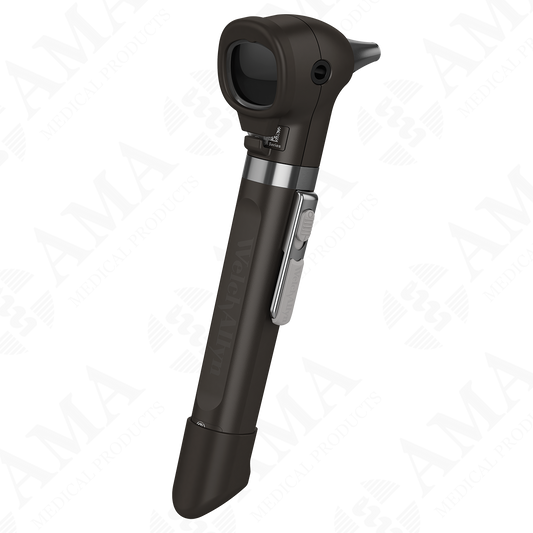
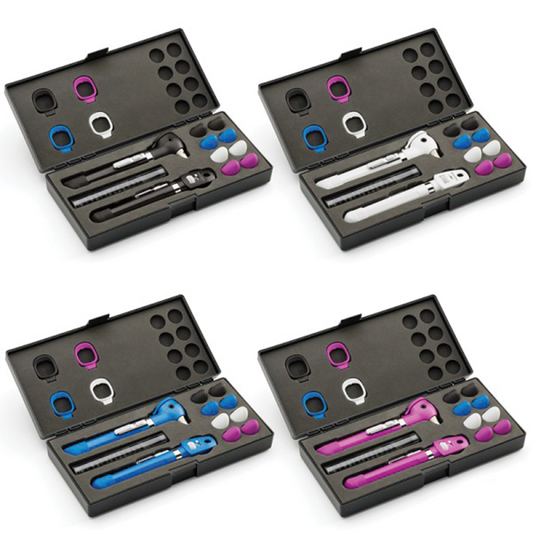
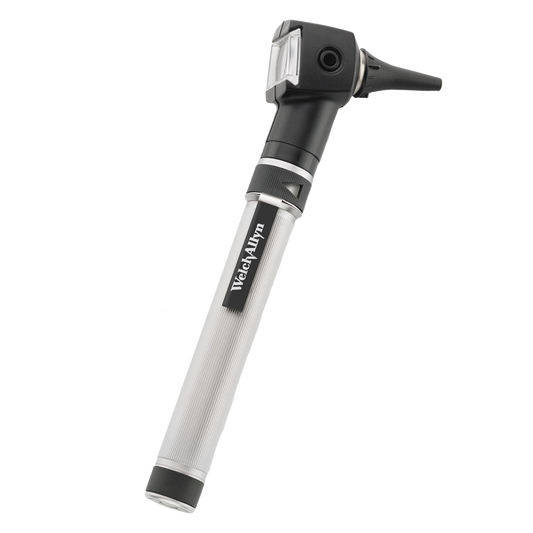
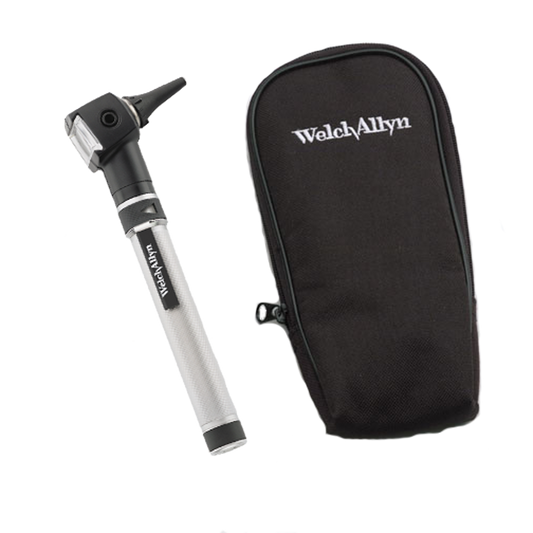
Essential diagnostic tools for accurate ear, nose, and throat examinations. Our collection features high-quality otoscopes with superior optics and reliable performance for comprehensive patient care.

Crystal Clear Optics - Exceptional illumination and magnification for precise diagnosis

Durable Construction - Built for demanding clinical environments

Complete Systems - Includes specula sets and replacement components

Professional Grade - Trusted quality for accurate ENT examinations

Professional otoscopes designed for clinical excellence and diagnostic precision.

At AMA Medical Products, we provide a diverse selection of Otoscopes designed to meet various needs and preferences. Our collection includes:

Filter and Sort

Filter and Sort

8 of 8 products

Price

The highest price is

$
$
Brand

8 products

All Otoscopes

FAQ's

An otoscope is a medical device used to examine the ear canal and eardrum. It works by emitting light through a small lens, allowing healthcare professionals to inspect the ear for any abnormalities, such as infections, wax buildup, or damage to the eardrum.
An otoscope allows healthcare professionals to visually inspect the ear canal and eardrum, helping to diagnose conditions like ear infections, earwax buildup, or tympanic membrane perforations. Early detection of ear problems can prevent further complications and improve treatment outcomes.
There are two main types of otoscopes: handheld and desktop models. Handheld otoscopes are portable and commonly used in clinics and medical offices, while desktop otoscopes are often used in hospital settings for more detailed inspections. Both types come with various magnification options and lighting configurations.
When selecting an otoscope, consider factors such as the type of examination you need (routine or detailed), portability, light source (LED or fiber-optic), and magnification power. If you're working in a clinical or hospital environment, a model with additional features like digital imaging or video capabilities may be beneficial.
An otoscope allows healthcare providers to look inside the ear canal and detect signs of infection, such as redness, swelling, fluid buildup, or perforations in the eardrum. It is a key tool in diagnosing otitis media (middle ear infections) and external ear infections (otitis externa).
A pneumatic otoscope is a type of otoscope that includes a small rubber bulb to introduce a puff of air into the ear canal. This helps assess the mobility of the eardrum, which is an important diagnostic tool for detecting middle ear infections or fluid buildup behind the eardrum.
Otoscopes should be cleaned regularly to ensure proper function and hygiene. Clean the lens and ear specula (the part that enters the ear) after each use with a disinfectant wipe. For thorough cleaning, remove and clean the ear specula, and ensure that the light source and internal components are free of debris.
Yes, otoscopes are suitable for use with children. In fact, they are an essential tool for diagnosing ear infections in pediatric patients. Pediatric otoscopes may come with smaller, more flexible ear specula to make the examination more comfortable for young children.
While some otoscopes are designed for home use, it's recommended to consult with a healthcare professional for proper guidance if you're unsure how to use the device. Home otoscopes are typically less powerful than clinical models but can still help you check for earwax buildup or minor ear issues.
Otoscopes typically offer magnification power ranging from 2.5x to 4x, allowing for a clear view of the ear canal and eardrum. Higher magnification is useful for detailed examination and detecting small abnormalities, while lower magnification is suitable for routine inspections.
Look for otoscopes with good lighting, high-quality optics, and ergonomic design for ease of use. LED lighting is preferred for its brightness and longevity. Models with adjustable magnification and durable, sterilizable ear specula provide added convenience and hygiene.
Ensure that your otoscope is regularly maintained, including cleaning the lens and light source, and checking the battery or power supply. Always use the appropriate size ear speculum for the patient and ensure the ear canal is clear of obstructions before using the otoscope.
Video otoscopy is a modern advancement that allows healthcare providers to capture high-resolution images or videos of the ear canal and eardrum during an examination. This provides better documentation, aids in patient education, and enhances diagnostic accuracy.
While otoscopes cannot directly diagnose hearing loss, they can help identify physical conditions that may cause hearing issues, such as ear infections, fluid buildup, or impacted earwax. A healthcare provider may then recommend additional testing, such as audiometry, to diagnose the extent of hearing loss.
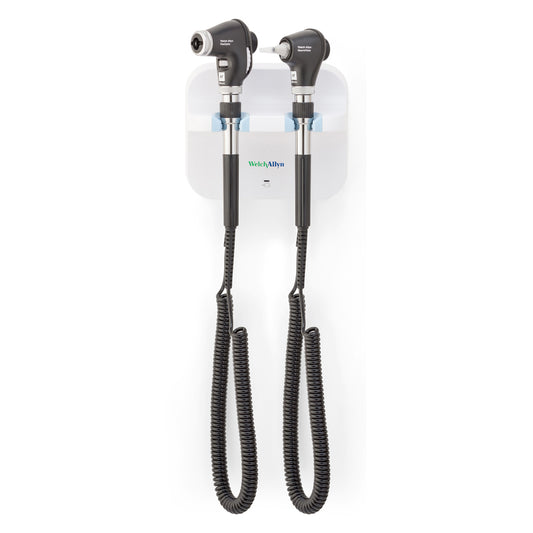
For a family practice, a versatile and portable otoscope with features like LED lighting, adjustable magnification, and a durable design is ideal. Some models also include a video option, which can be useful for patient education and documentation.
Yes, otoscopes can help detect various conditions, including earwax buildup, tympanic membrane perforations, foreign objects in the ear, and tumors or growths in the ear canal. They are a valuable diagnostic tool for assessing overall ear health.
LED lighting is preferred in otoscopes because it provides bright, consistent light without generating heat. It also has a longer lifespan than traditional incandescent bulbs, making it more energy-efficient and reliable for long-term use.
Rechargeable otoscopes offer the benefit of never needing to replace batteries, reducing ongoing costs. They are also environmentally friendly and typically come with a docking station for convenient charging. Rechargeable models are ideal for continuous use in clinical settings.
An otoscope is used to examine the ear canal and eardrum, while a stethoscope is used to listen to internal sounds, particularly the heart and lungs. Both are essential tools for diagnosing different aspects of a patient’s health, with the otoscope focused on ear health and the stethoscope on cardiovascular and respiratory health.
Yes, there are otoscopes designed specifically for veterinary use. These models typically come with larger, more robust ear specula to accommodate the different ear sizes of animals. Veterinary otoscopes are essential for diagnosing ear conditions in pets and livestock.