Collection: Ophthalmoscopes

Professional Eye Examination Instruments

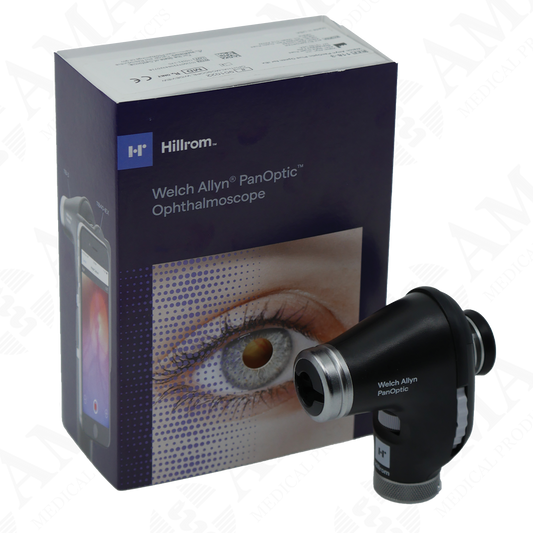
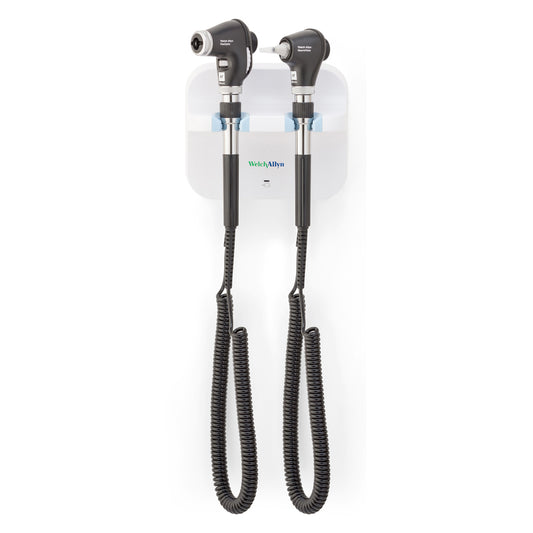
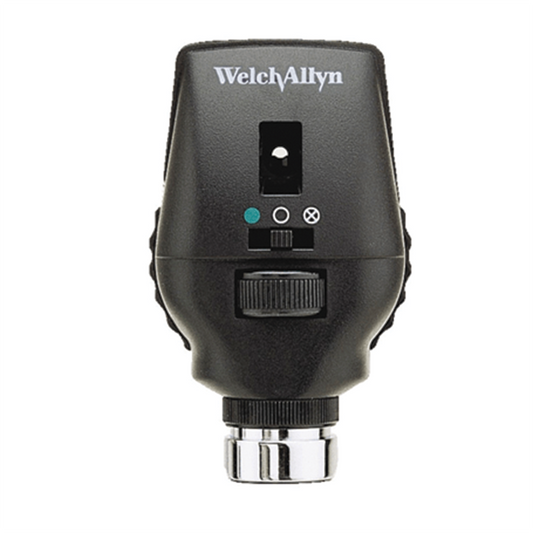
Essential diagnostic tools for comprehensive eye examinations and retinal assessment. Our collection features precision ophthalmoscopes with advanced optics for detailed fundus examination and ocular health evaluation.

Precision Optics - Superior illumination and lens systems for clear retinal visualisation

Reliable Performance - Consistent, accurate results in clinical practice

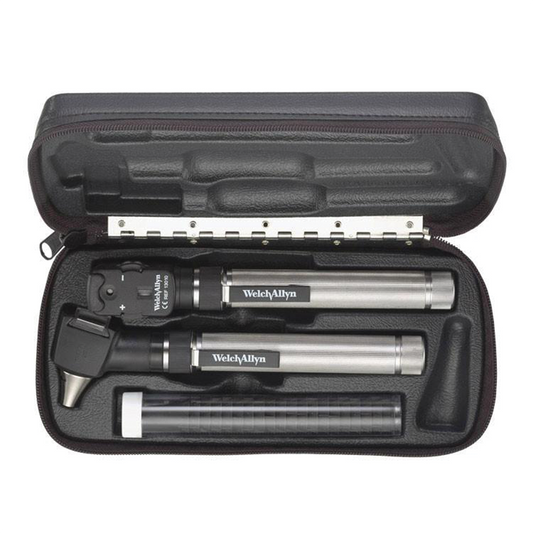
Complete Solutions - Includes replacement bulbs and essential accessories

Professional Quality - Trusted instruments for thorough eye examinations

Professional ophthalmoscopes engineered for diagnostic accuracy and clinical reliability.

At AMA Medical Products, we provide a diverse selection of Ophthalmoscopes designed to meet various needs and preferences. Our collection includes:

Filter and Sort

Filter and Sort

9 of 9 products

Price

The highest price is

$
$
Brand

9 products

All Ophthalmoscopes

FAQ's

An ophthalmoscope is a medical device used by healthcare professionals to examine the interior of the eye, including the retina, optic nerve, and blood vessels. It works by shining a light into the eye while magnifying the image to allow detailed inspection of the eye's structures.
An ophthalmoscope is essential for diagnosing and monitoring a range of eye conditions, including retinal diseases, glaucoma, macular degeneration, and diabetic retinopathy. It allows healthcare professionals to detect early signs of these conditions and intervene before they cause permanent damage.
There are two main types of ophthalmoscopes: direct and indirect. Direct ophthalmoscopes are handheld devices used for quick examinations, while indirect ophthalmoscopes are more advanced and provide a wider view of the retina, often used for more detailed exams and by specialists.
When selecting an ophthalmoscope, consider factors such as the type of exams you'll be performing (routine vs. specialised), portability, light intensity, magnification, and whether you need additional features like digital imaging or built-in cameras for documentation.
To use an ophthalmoscope, shine the light into the patient's eye and adjust the focus wheel to view the retina and optic nerve. Move closer to the eye to inspect different areas. Ensure the patient is relaxed and their eye is dilated (if necessary) for a better view of the retina.
Yes, ophthalmoscopes are generally safe to use when properly handled. It is important to follow the manufacturer's instructions and ensure the light intensity is appropriate to avoid discomfort or injury to the eye. Regular cleaning and maintenance are essential to ensure safe use.
Ophthalmoscopes should be used during routine eye exams to assess the health of the retina and optic nerve. Depending on the patient's age, medical history, and risk factors, an eye exam may be recommended every 1-2 years, or more frequently for those with existing eye conditions.
Traditional ophthalmoscopes are handheld devices with optical lenses used for direct viewing of the eye’s interior. Digital ophthalmoscopes, on the other hand, use cameras and digital imaging to capture high-resolution images of the retina, which can be stored and shared for further analysis or documentation.
Yes, ophthalmoscopes are suitable for examining children's eyes, but it may require a different technique and possibly some assistance in keeping the child still during the exam. Pediatric ophthalmoscopes are available with specific features to accommodate the smaller anatomy of a child’s eye.
Key features to consider when purchasing an ophthalmoscope include adjustable light intensity, magnification options, portability, ergonomics, and durability. If digital imaging is important for your practice, co
Clean the lens and light source with a soft, lint-free cloth and mild cleaning solution. Avoid using harsh chemicals that could damage the lens or optical components. Regularly check the battery or power source to ensure the ophthalmoscope is in good working condition for accurate performance.
Yes, certain ophthalmoscopes, especially digital or camera-equipped models, can be used for retinal imaging. These models allow for high-quality photographs of the retina, which can be stored, analyzed, and shared for further consultation or patient monitoring.
Yes, ophthalmoscopes can help detect systemic health conditions that affect the eyes, such as high blood pressure, diabetes, and certain neurological disorders. Changes in the blood vessels and optic nerve can be indicative of these conditions, making ophthalmoscopy an important diagnostic tool.
An ophthalmoscope should be calibrated regularly to ensure the accuracy of the images and light intensity. Calibration frequency depends on usage and manufacturer recommendations. It's important to ensure that the light source and magnification are functioning correctly for proper diagnosis.
A wireless ophthalmoscope offers increased flexibility and portability, allowing healthcare providers to conduct eye exams anywhere without being tied to a power source. These devices often feature advanced imaging capabilities, with the ability to store and transmit images for remote consultation.