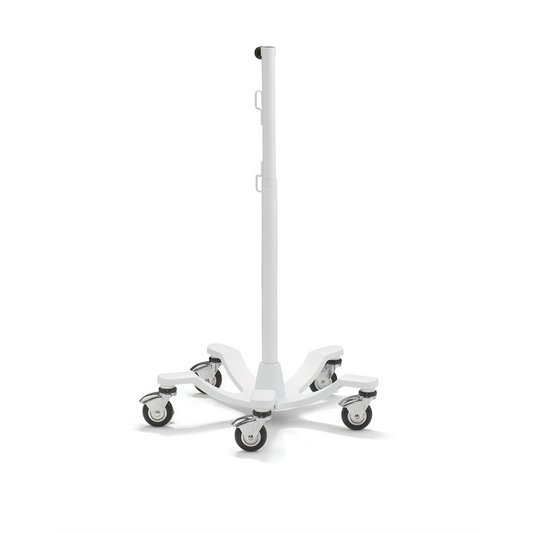
Collection: Medical Lighting

Professional Surgical Examination Lights

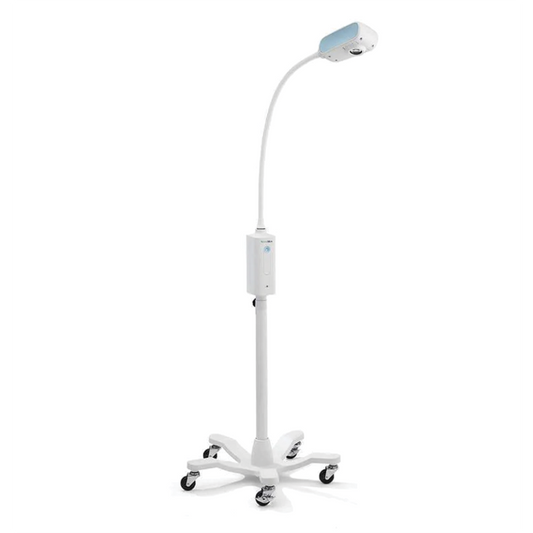
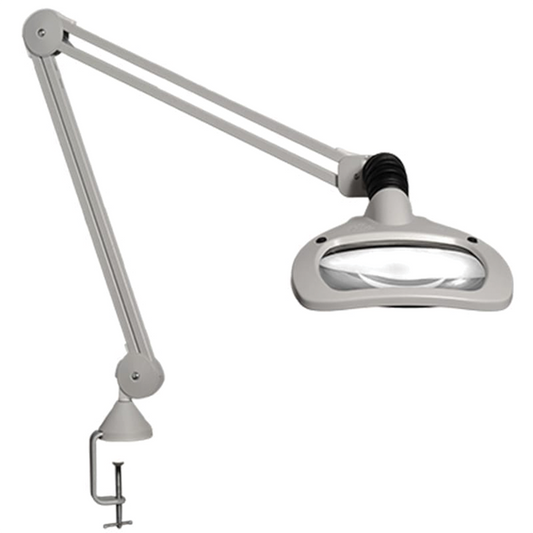
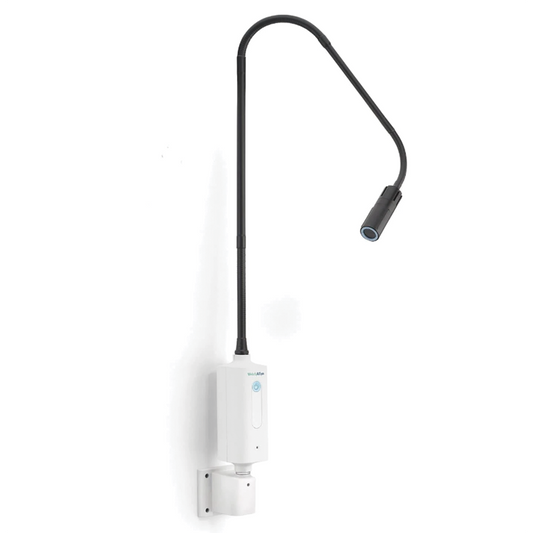
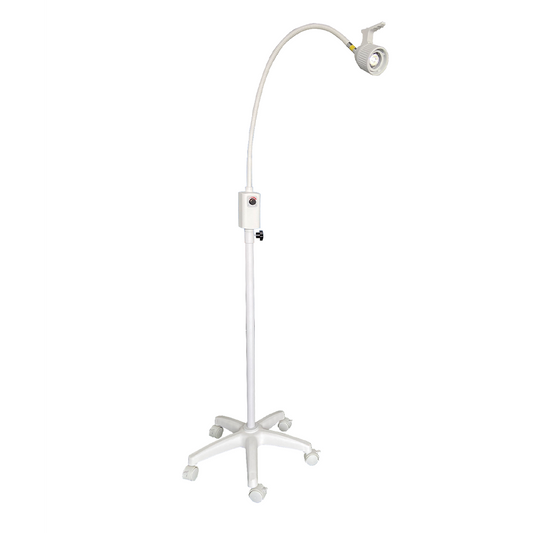
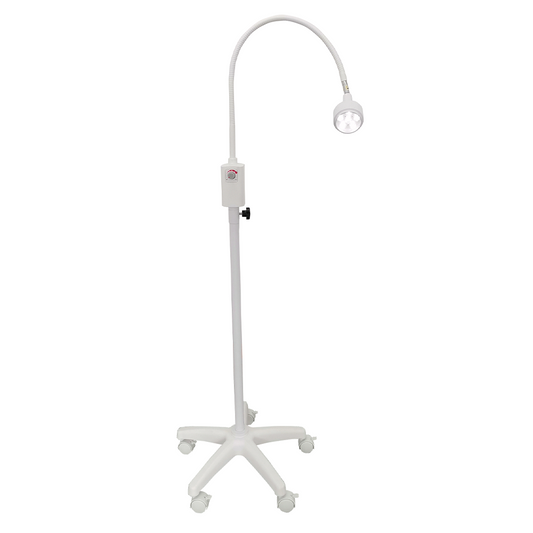
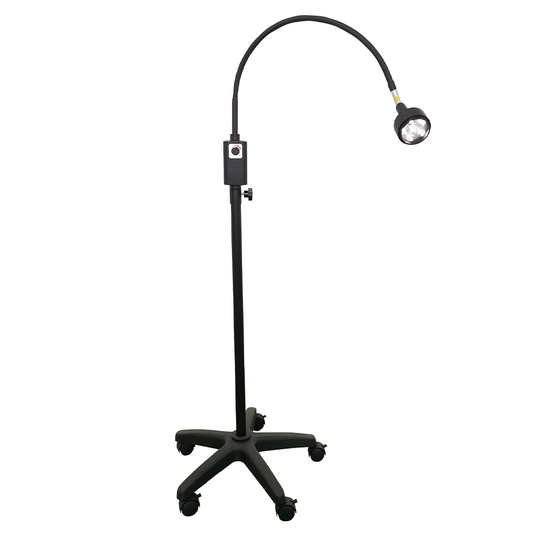
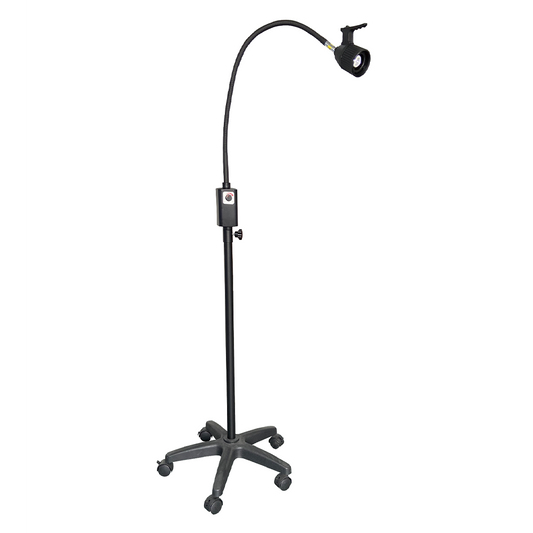
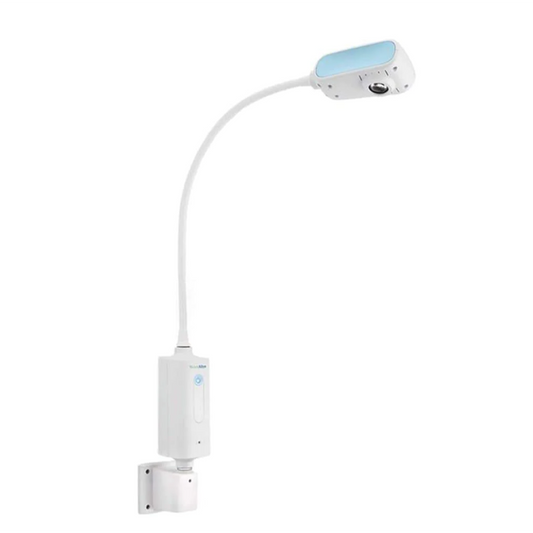
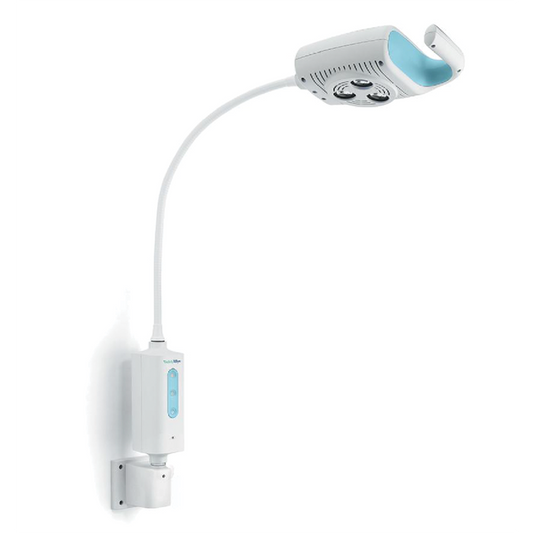
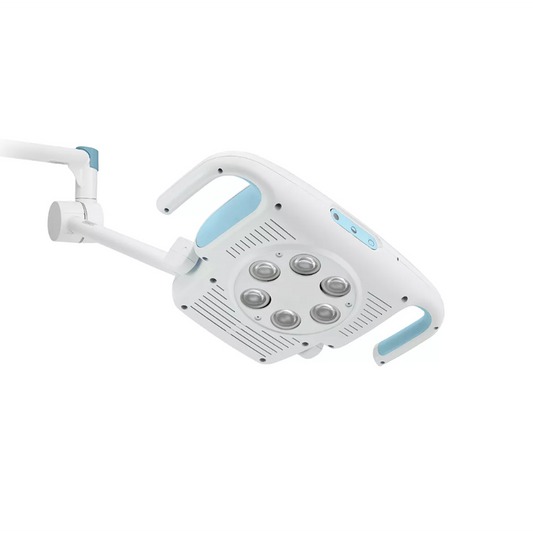
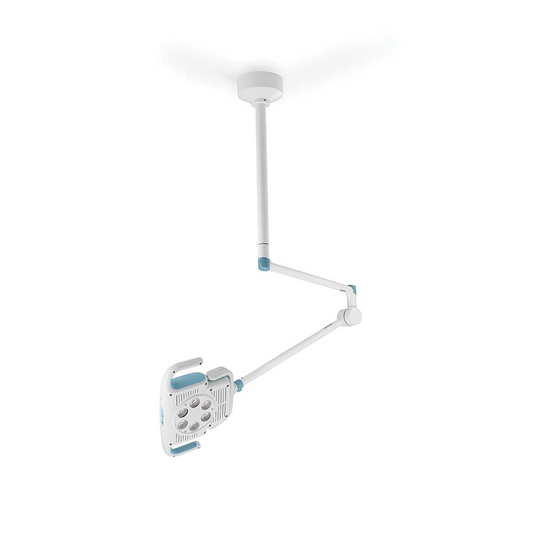
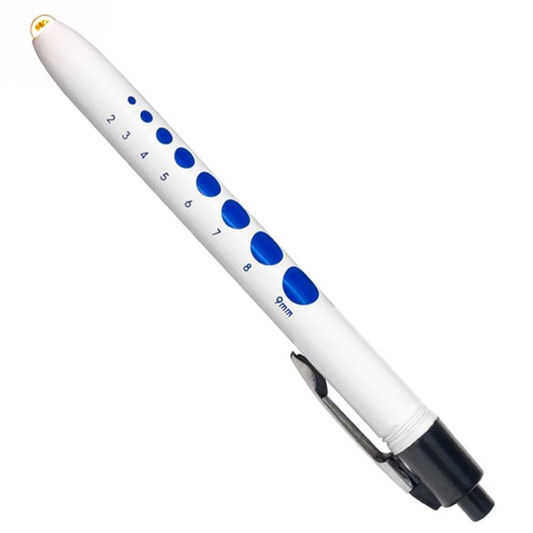
Advanced lighting systems are designed for optimal visibility during medical procedures and clinical examinations. Our collection features medical-grade illumination equipment with superior light quality and precise positioning for enhanced diagnostic accuracy and surgical precision.

Superior Light Quality - High-intensity LED systems with optimal color rendering for accurate visualisation

Flexible Positioning - Adjustable arms and heads for precise light placement during procedures

Multiple Applications - Examination lights to surgical illumination for various clinical environments

Energy Efficient - Long-lasting LED technology with reduced heat output and maintenance requirements

Professional medical illumination ensures optimal visibility and enhanced clinical performance across all healthcare applications.

Filter and Sort

Filter and Sort

28 of 28 products

Price

The highest price is

$
$
Brand

28 products

All Medical Lighting

FAQ's

Medical lighting refers to lighting specifically designed for healthcare environments, such as hospitals, clinics, and dental offices. It is important because it provides optimal illumination for procedures, examinations, and diagnostics, improving visibility, accuracy, and patient safety during medical tasks.
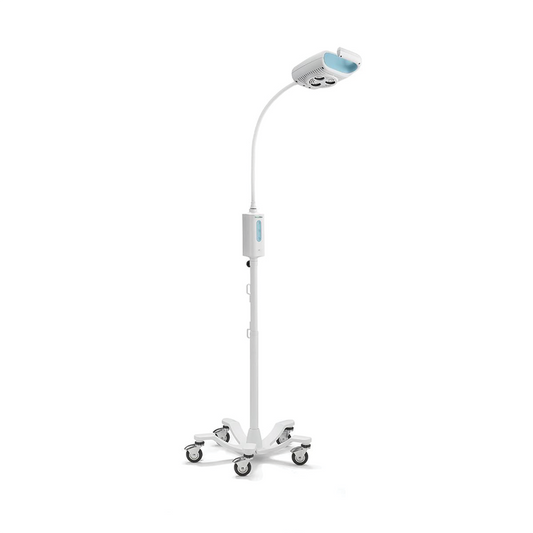
There are several types of medical lighting, including surgical lights, examination lights, task lights, and diagnostic lights. Each type is designed to provide precise, high-quality illumination for specific healthcare tasks, ensuring the best possible outcomes during medical procedures.
Surgical lights are high-intensity lights used during surgeries to provide bright, shadow-free illumination for the surgical area. They are adjustable in terms of brightness and focus. Examination lights are typically used in non-invasive procedures and are designed for general use, offering lower-intensity lighting.
When choosing medical lighting, consider factors such as the type of medical tasks you'll be performing, the intensity and adjustability of the light, energy efficiency, and ease of installation. For surgical procedures, ensure the light offers high brightness, adjustable angles, and shadow reduction.
LED medical lighting is preferred for its energy efficiency, long lifespan, and consistent, high-quality illumination. LEDs also produce less heat, reducing the risk of discomfort for both patients and healthcare providers. They are also more environmentally friendly and cost-effective over time.
Medical lighting installation should be done by a qualified professional to ensure proper positioning, electrical connections, and compliance with safety regulations. Many medical lighting systems come with clear installation instructions, and some models are designed for easy ceiling or wall mounting.
Yes, many medical lighting systems are highly adjustable, allowing healthcare providers to modify the brightness, angle, and focus to suit the specific needs of different procedures or examinations. Adjustable lighting ensures optimal visibility and precision during medical tasks.
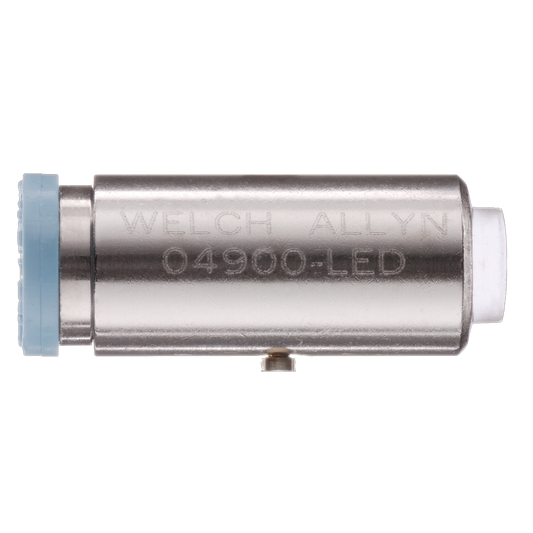
Proper medical lighting can reduce patient discomfort by minimizing glare and ensuring that the procedure area is illuminated without causing excessive heat or harsh light. Well-designed lighting systems enhance patient comfort by creating a calm and well-lit environment.
Shadowless surgical lights are designed to reduce or eliminate shadows in the surgical area, providing even illumination and allowing surgeons to see the details of the surgical field more clearly. This is crucial for precision during surgeries and procedures, improving outcomes and safety.
Medical lighting should be maintained regularly to ensure optimal performance. Check the lights for any signs of damage, reduce brightness if necessary to conserve energy, and replace bulbs or parts as needed. Typically, LED medical lights require less frequent replacement, but routine cleaning and maintenance are still necessary.
Halogen surgical lights are traditional lights known for their bright, intense illumination, but they produce more heat and have a shorter lifespan compared to LED lights. LED surgical lights offer superior energy efficiency, longer lifespan, reduced heat production, and more precise control over brightness and focus.
Yes, many modern medical lighting systems allow for adjustable color temperatures to suit different tasks. A cooler color temperature (bluish light) is ideal for detailed tasks like surgery, while warmer light (yellowish) is better suited for examinations, creating a more comfortable atmosphere for both patients and practitioners.
Medical lighting systems with high-intensity, adjustable features help healthcare providers see the fine details of diagnostic images, such as skin lesions, eye conditions, or internal organs. Proper lighting enhances accuracy and reduces the risk of misdiagnosis during examinations.
Yes, medical lighting systems come in various sizes and configurations to suit different healthcare environments. Whether for a small clinic or a large hospital, lighting systems can be customised to provide optimal illumination for procedures, exams, and general use.
Medical lighting, especially in surgical settings, plays a critical role in patient safety by providing clear, bright, and even lighting. This ensures the surgical team can see the area they are operating on without interference from shadows or poor illumination, reducing the risk of surgical errors.
Regular cleaning and disinfection of medical lighting fixtures are essential in healthcare settings to maintain hygiene. Ensure that all parts of the lighting system, including bulbs, lenses, and casings, are cleaned with appropriate disinfectants to prevent the spread of infections and maintain light quality.
LED medical lighting consumes significantly less energy than traditional lighting options, leading to reduced electricity bills and a smaller carbon footprint. Additionally, LEDs last longer, reducing the frequency of bulb replacements and maintenance costs over time.
Many modern medical lighting systems can be integrated with other hospital systems such as ceiling-mounted equipment, surgical booms, or lighting control systems. This integration allows for more efficient operation and ensures that lighting is automatically adjusted based on procedure requirements.
To maintain a sterile environment, medical lighting fixtures should be positioned in a way that prevents contamination. Lights should be cleaned regularly, and the use of covers or shielded lighting is recommended to avoid contamination during surgeries or examinations.
When choosing a mobile medical light, consider features such as portability, flexibility (adjustable arms), battery life, light intensity, and ease of use. Mobile lights should provide bright, consistent illumination and be easy to move between rooms or treatment areas.