Collection: Dopplers

Professional Prenatal Monitoring

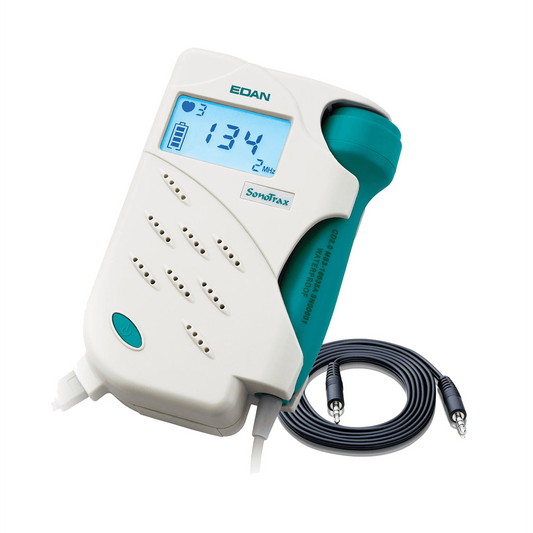
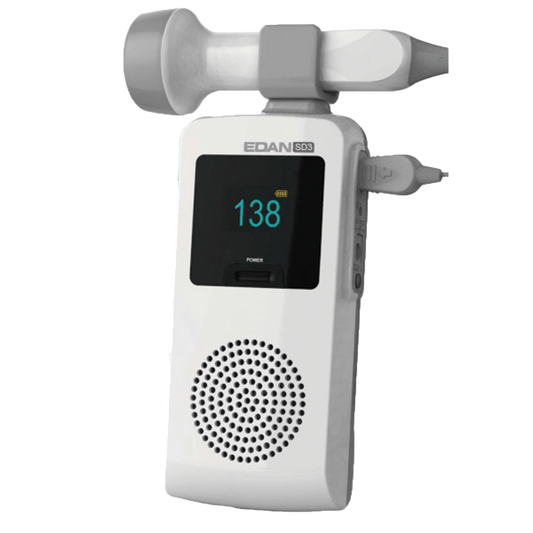
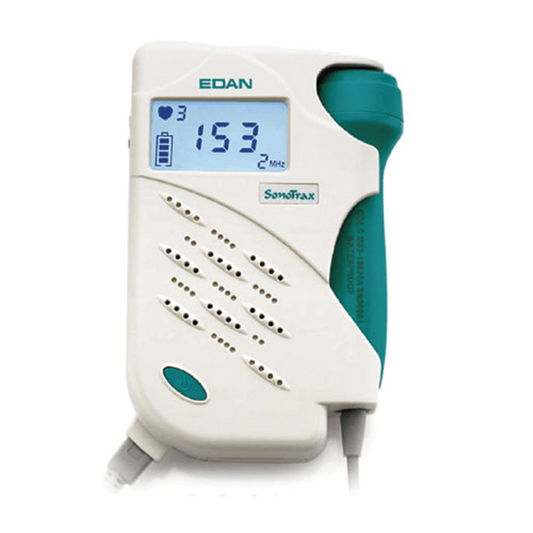
Handheld foetal Doppler systems are designed for safe prenatal heart rate monitoring during pregnancy. Our collection features medical-grade foetal dopplers with clear audio output for reliable foetal heartbeat detection and maternal bonding.

Clear Audio Detection - High-sensitivity probes for accurate foetal heartbeat monitoring

Multiple Frequencies - 2MHz and 3MHz options for different pregnancy stages

Portable Design - Lightweight handheld units for clinical and home use

Medical Grade - Professional-quality devices trusted by healthcare providers

Reliable foetal monitoring equipment ensures safe prenatal care and early detection.

Filter and Sort

Filter and Sort

1 of 5 products

Price

The highest price is

$
$
Brand

Filter by

view all

Price

Price

Price

Price

Price

Price

Price

Price

Price

Brand

Collection

1 of 5 products

Filter by

view all

Price

Price

Price

Price

Price

Price

Price

Price

Price

Brand

Collection

FAQ's

A Doppler is a medical device used to measure the flow of blood in blood vessels. It uses high-frequency sound waves to create an image of blood flow, helping healthcare professionals detect abnormal blood flow, blockages, and other circulatory issues. Doppler technology is often used in ultrasound diagnostics.
Doppler ultrasound is crucial for diagnosing vascular conditions such as deep vein thrombosis (DVT), arterial blockages, and peripheral artery disease (PAD). It provides a non-invasive way to assess blood flow, detect abnormalities, and guide treatment decisions.
There are several types of Doppler devices, including handheld Dopplers, which are portable and used for quick checks, and more advanced systems like the Doppler ultrasound machine, which provides detailed images of blood flow and is used in clinical settings for thorough diagnostics.
Doppler ultrasounds can be used to diagnose conditions like arterial blockages, blood clots (such as DVT), vascular malformations, varicose veins, and abnormal heart conditions. It is also used to monitor the health of the fetus during pregnancy by measuring blood flow in the umbilical cord and placenta.
A handheld Doppler device is simple to use. To get a reading, apply a small amount of gel to the area being examined, then place the Doppler probe on the skin and gently move it around. The device will produce a sound or visual display that indicates blood flow. It’s typically used to monitor fetal heart rates, check circulation in the limbs, or assess arterial health.
While both Doppler and traditional ultrasound use sound waves to produce images, Doppler ultrasound specifically measures blood flow, whereas traditional ultrasound is used to visualize organs and tissues. Doppler ultrasound adds a dynamic element by showing the movement of blood, which helps assess circulation and detect abnormalities.
Yes, Doppler devices are commonly used in prenatal care to monitor the fetal heart rate, assess the blood flow in the placenta and umbilical cord, and ensure that the baby is getting enough oxygen and nutrients. They are non-invasive and provide real-time insights into fetal well-being.
Using a Doppler to monitor blood flow in arteries allows healthcare providers to detect blockages or narrowing of blood vessels, assess the severity of conditions like atherosclerosis, and evaluate the effectiveness of treatments. It is a quick, non-invasive way to assess arterial health and prevent complications.
Doppler devices are highly accurate for assessing blood flow, and their effectiveness depends on factors such as the quality of the device, operator skill, and patient condition. When used correctly, Doppler devices provide reliable and precise measurements that can guide treatment and diagnosis.
The frequency of Doppler ultrasound use depends on the individual’s health status and medical needs. For patients with known vascular conditions or those at risk, Doppler ultrasounds may be recommended periodically for monitoring. Your healthcare provider will advise you on the appropriate frequency based on your condition.
Doppler ultrasound plays a key role in diagnosing heart conditions, such as valvular heart disease and congenital heart defects, by assessing the blood flow through the heart’s chambers and valves. It helps doctors detect issues like regurgitation (backward flow) or narrowing of the heart valves.
Doppler ultrasound is used in pregnancy to monitor the blood flow in the placenta, umbilical cord, and fetus. It helps assess the well-being of the baby by ensuring that adequate blood and oxygen are being delivered. It can also detect complications like placental insufficiency or fetal growth restrictions.
While Doppler devices are effective for assessing blood flow, their accuracy can be influenced by factors such as patient body type (e.g., obesity), operator skill, and the presence of movement during the examination. In some cases, additional imaging techniques may be required for a comprehensive diagnosis.
Doppler ultrasound is a quick, non-invasive, and cost-effective method for assessing blood flow and detecting vascular issues. While MRI and CT scans provide more detailed anatomical images, Doppler ultrasound offers real-time information on blood flow, making it the preferred choice for vascular assessments.
For diabetic patients, Doppler ultrasound can be used to monitor circulation in the extremities, as diabetes can lead to poor blood flow and increase the risk of peripheral artery disease (PAD). Regular monitoring can help detect early signs of vascular complications and guide treatment to prevent further damage.
If Doppler ultrasound results indicate abnormal blood flow, your healthcare provider will discuss the findings with you and may recommend further tests or treatments. In some cases, lifestyle changes, medication, or surgical interventions may be necessary to address the underlying condition.