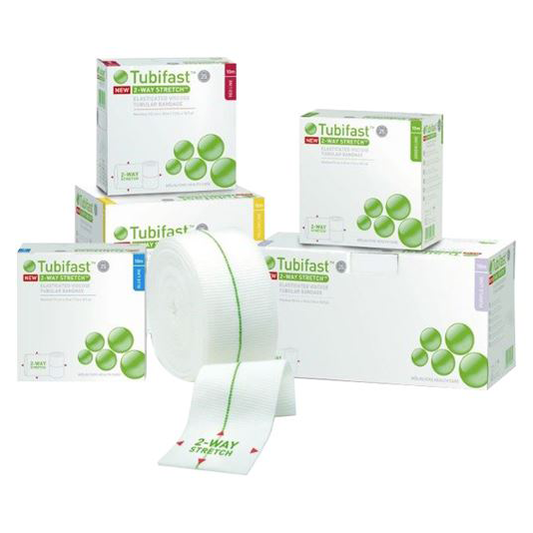
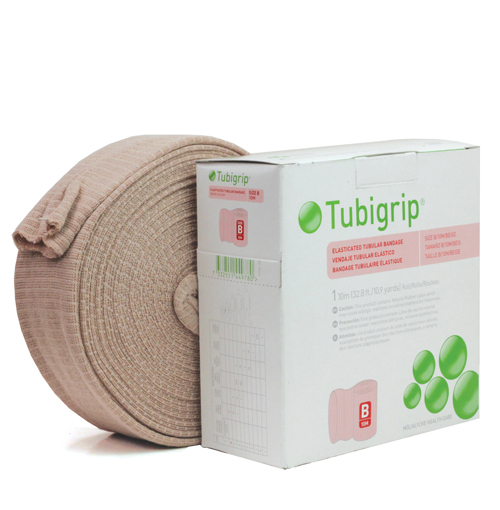
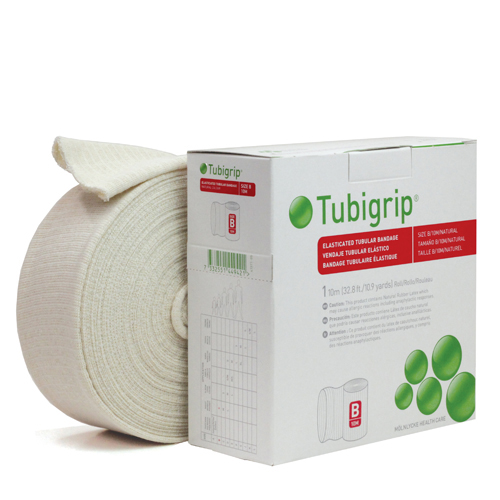
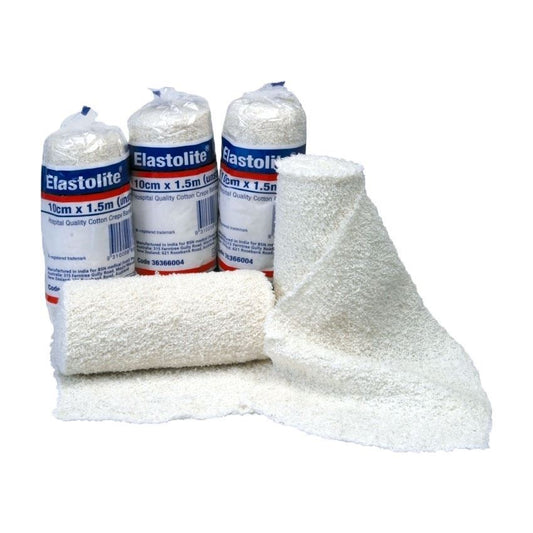
Professional Bandages and Wound Care Products You Can Trust
Bandages are essential tools in wound care, designed to provide both protection and support for a variety of injuries. From hospitals and medical clinics to aged care facilities and home care, bandages are widely used in both acute and chronic wound management. These versatile products are ideal for covering minor cuts, abrasions, burns, and post-operative wounds, offering a reliable... Read More
Professional Bandages and Wound Care Products You Can Trust
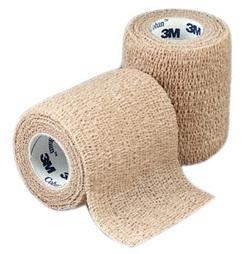
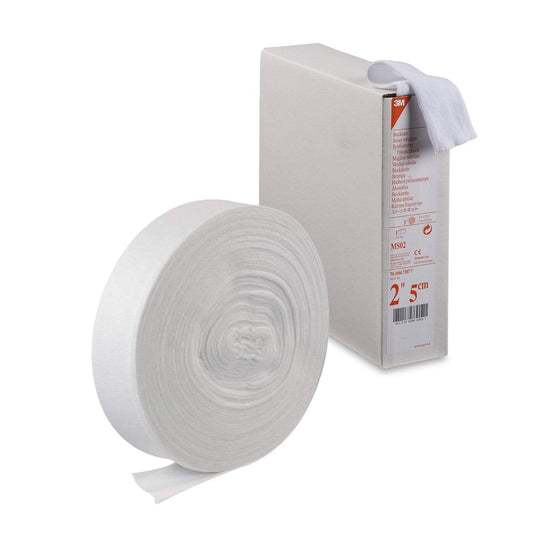
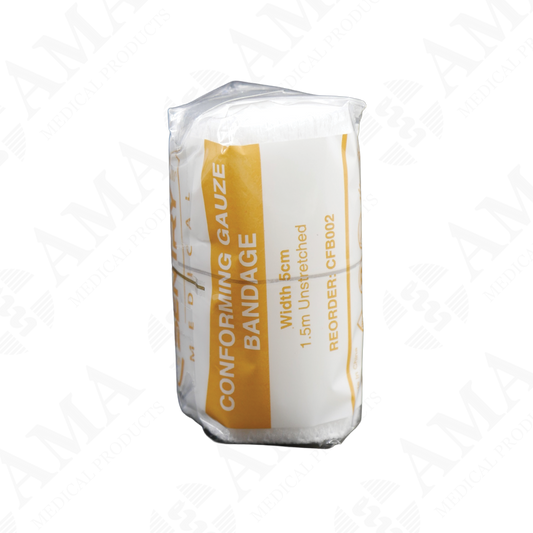
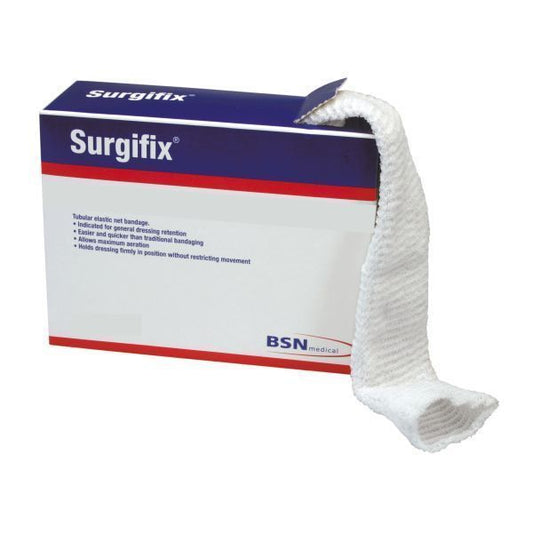
Bandages are essential tools in wound care, designed to provide both protection and support for a variety of injuries. From hospitals and medical clinics to aged care facilities and home care, bandages are widely used in both acute and chronic wound management. These versatile products are ideal for covering minor cuts, abrasions, burns, and post-operative wounds, offering a reliable solution for managing and protecting wounds while facilitating the healing process. Designed with patient comfort and infection control in mind, our range of bandages is crafted to meet the needs of healthcare professionals in diverse environments.
Key Benefits
-
Reliable Wound Protection: Bandages provide a secure covering for wounds, protecting them from contaminants, dirt, and bacteria. This is essential in preventing infection and ensuring that the wound remains clean while it heals.
-
Comfort and Flexibility: Made from soft, flexible materials, these bandages conform to the natural contours of the body. They provide a comfortable fit, allowing patients to maintain mobility without feeling restricted, ensuring a more pleasant healing experience.
-
Reduced Trauma During Dressing Changes: Designed to be gentle on the skin, these bandages minimise discomfort and trauma when changing dressings. This is especially important for wounds in sensitive areas, reducing the pain and risk of further injury during the healing process.
-
Infection Control Support: With their ability to create a barrier against external contaminants, bandages help to control the risk of infection. This is vital for wounds that require continuous protection in clinical and home care settings, helping to facilitate safe and effective recovery.
Product Features
-
Durable and Reliable Construction: Our bandages are made from high-quality, medical-grade materials that provide secure adhesion and long-lasting coverage. They are designed to withstand daily movement and provide reliable protection throughout the healing process.
-
Breathable and Moisture-Wicking: The breathable fabric of our bandages allows air to circulate, preventing the accumulation of moisture underneath. This helps to reduce the risk of maceration and promotes an optimal environment for wound healing.
-
Variety of Sizes and Styles: Available in a range of sizes and formats, our bandages can be tailored to suit different wound types and body areas. Whether you need a small bandage for a minor cut or a larger one for a more extensive wound, our range offers versatile options.
-
Sterile and Safe: Each bandage is individually sterile and packaged, ensuring maximum safety during application. This reduces the risk of cross-contamination and ensures that the wound is protected from harmful bacteria and pathogens.
Explore our full range of bandages to find the ideal solution for managing and protecting wounds in clinical, hospital, and home care settings.
Read Less