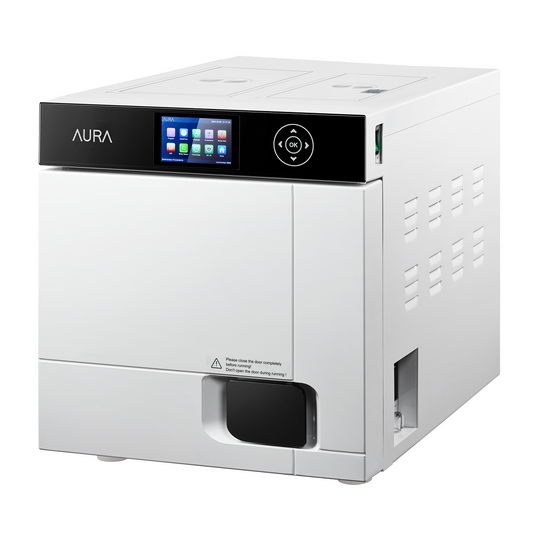
Collection: Autoclave Machines & Sterilisers

Professional Sterilisation Equipment

Essential steam sterilisation systems for maintaining the highest standards of infection control. Our collection features reliable autoclaves designed for efficient sterilisation of medical instruments and equipment.

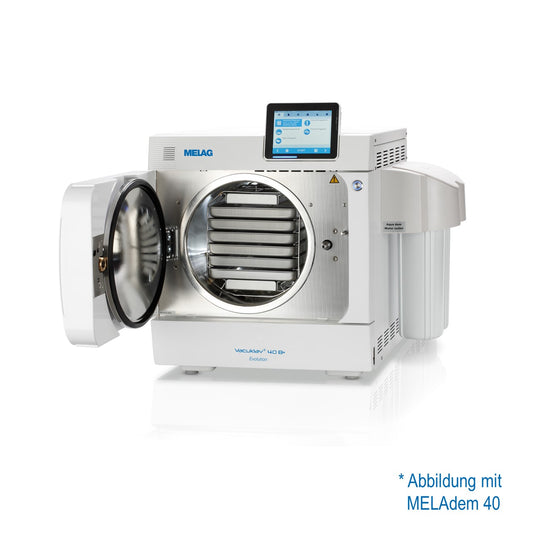
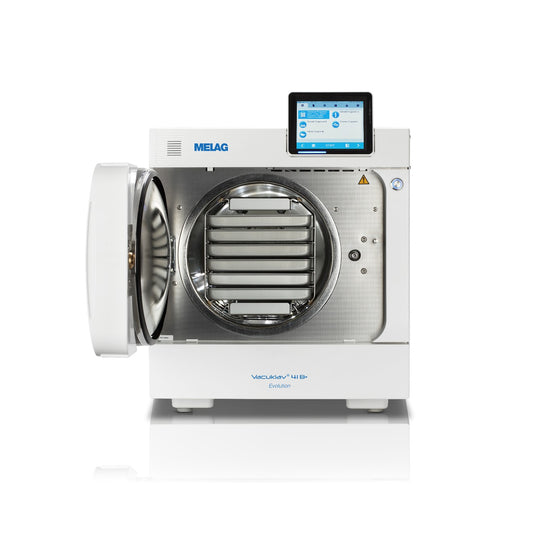
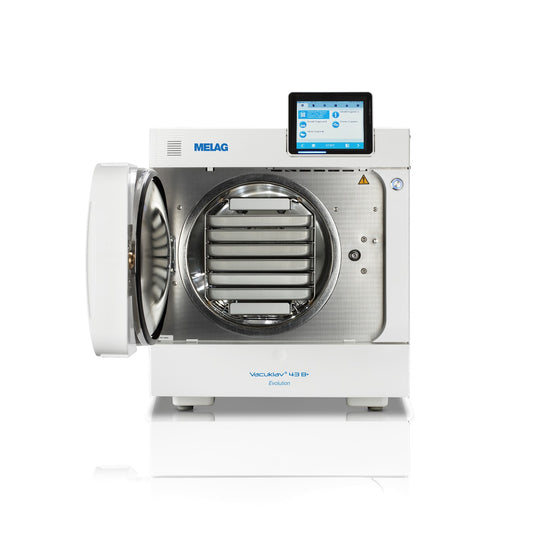
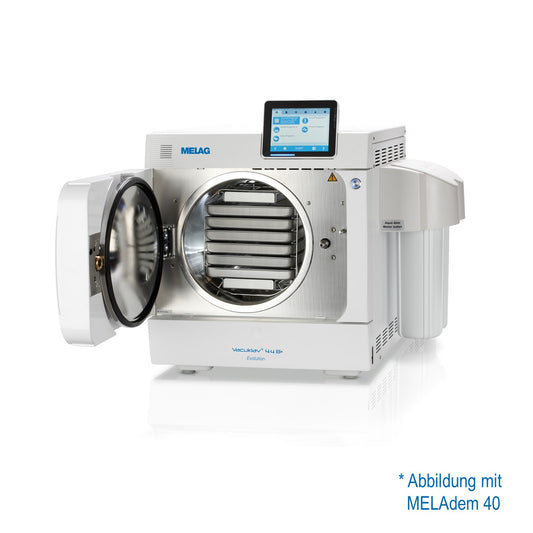
At AMA Medical Products, we provide our customers with the best quality Autoclaves and Sterilisation equipment. With over 70 years of experience, Melag has a long history in developing sterilisation equipment. Melag also offers a wide range of high-class and durable equipment to ensure the highest quality of sterilisation suitable for any medical environment.

Complete Sterilisation - High-temperature steam for effective elimination of pathogens.

Multiple Sizes - Compact tabletop to large capacity units for any practice size.

Reliable Performance - Consistent cycles with precise temperature and pressure control.

Safety Standards - Built to meet medical sterilisation regulations and protocols.

Professional autoclave systems engineered for superior sterilisation and infection control.

Filter and Sort

Filter and Sort

12 of 12 products

Price

The highest price is

$
$
Brand

12 products

All Autoclave Machines & Sterilisers

FAQ's

An autoclave is a high-pressure device that uses steam and heat to sterilise medical instruments, tools, and equipment. It works by reaching high temperatures (typically around 121°C to 134°C) and applying pressure to kill bacteria, viruses, fungi, and spores.
Autoclaves are crucial in healthcare for ensuring that medical instruments are thoroughly sterilised before being used on patients. This helps prevent the transmission of infections, ensuring the safety of both patients and healthcare providers.
When selecting an autoclave, consider factors such as the size of your clinic, the types of instruments you need to sterilise, and your budget. Autoclaves come in different capacities, ranging from small tabletop units to larger, more advanced models for high-volume use.
There are several types of autoclaves, including gravity displacement, pre-vacuum, and steam-flush pressure-pulse autoclaves. Each type works slightly differently but all rely on high-pressure steam to sterilise equipment.
Autoclaves should be serviced regularly to ensure proper function and safety. A routine maintenance schedule includes checking for wear and tear, inspecting seals, cleaning filters, and calibrating pressure gauges. It is also important to perform routine biological and chemical testing to ensure sterilisation effectiveness.
To use an autoclave safely, always follow the manufacturer's instructions. Ensure that items are properly arranged to allow steam to circulate evenly, and avoid overloading the autoclave. Always wear protective gloves and eyewear, and never open the autoclave until the pressure has been safely released.
Most autoclaves can sterilise a wide range of medical instruments, including surgical tools, glassware, and dental instruments. However, certain heat-sensitive items like plastics may require alternative sterilisation methods, such as low-temperature sterilisation.
Autoclaves use high-pressure steam to sterilise instruments, while other methods like dry heat sterilisation, chemical sterilisation, and radiation sterilisation use different processes. Autoclaves are preferred for their speed, efficiency, and ability to sterilise a wide variety of materials.
The typical cycle time for an autoclave varies depending on the model and the type of load being sterilised. For example, a standard cycle may take 15 to 30 minutes, while more complex loads or larger autoclaves may take up to an hour or more.
You can monitor the proper functioning of an autoclave by using biological indicators, chemical indicators, and routine maintenance checks. Biological indicators test whether sterilisation has been achieved by growing bacteria, while chemical indicators change colour when the correct conditions are met.
Vacuum autoclaves remove air from the chamber before the sterilisation process, allowing for more efficient steam penetration and sterilisation of porous and wrapped items. This leads to faster and more effective sterilisation compared to gravity-displacement autoclaves.
Class B autoclaves are the most advanced type, providing high levels of sterilisation for both solid and porous loads. They are ideal for medical practices that require the sterilisation of complex, wrapped, or hollow instruments. They also feature better air evacuation and more precise temperature control.
To ensure that an autoclave’s sterilisation cycle is effective, you should regularly use biological indicators and chemical tests to confirm that the correct temperature, pressure, and time have been achieved. Also, regular maintenance and calibration are essential for ensuring optimal performance.
Yes, autoclaves can be used to sterilise non-medical items that are heat-resistant and require decontamination, such as laboratory equipment, certain food-processing tools, and even some items in research and industrial settings.
Flash sterilisation refers to a rapid, short sterilisation cycle used for sterilising a small number of instruments in emergency situations. It is typically used when items need to be sterilised quickly, and the sterilisation process is completed under slightly different conditions than a standard cycle.
Modern autoclaves are designed to be energy-efficient, using advanced insulation and programmable cycles to reduce energy consumption. Regular maintenance and optimal usage can help further improve energy efficiency and reduce operational costs.
The sealing system of an autoclave ensures that steam is properly contained within the chamber during the sterilisation cycle. This helps maintain the correct pressure and temperature for effective sterilisation. The seals should be regularly checked for wear and tear to prevent steam leakage.
Autoclave waste, including sterilised medical waste, should be disposed of according to local healthcare regulations. Once sterilised, waste can be handled safely, but it's important to follow proper disposal protocols to ensure compliance and avoid contamination.
Modern autoclaves are equipped with various safety features, including pressure relief valves, safety locks, and automatic shut-off mechanisms to prevent over-pressurisation or overheating. Some models also include alarms to alert operators to any malfunctions during the sterilisation cycle.
Yes, autoclaves are commonly used to sterilise surgical instruments between patients, ensuring that any harmful pathogens are eradicated. Regular monitoring and proper loading techniques are essential for ensuring that instruments are properly sterilised and ready for use.