Collection: Audiology

Portable Screening Audiometers and Tympanometers For Practitioners

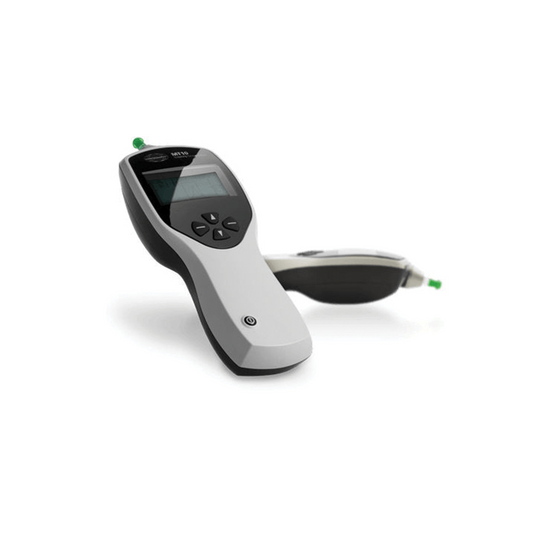
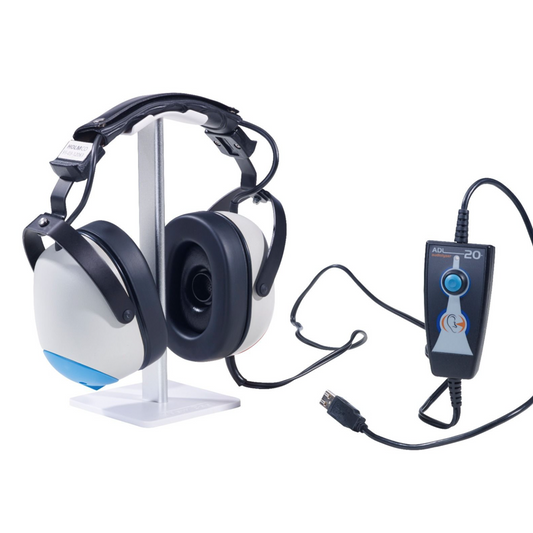
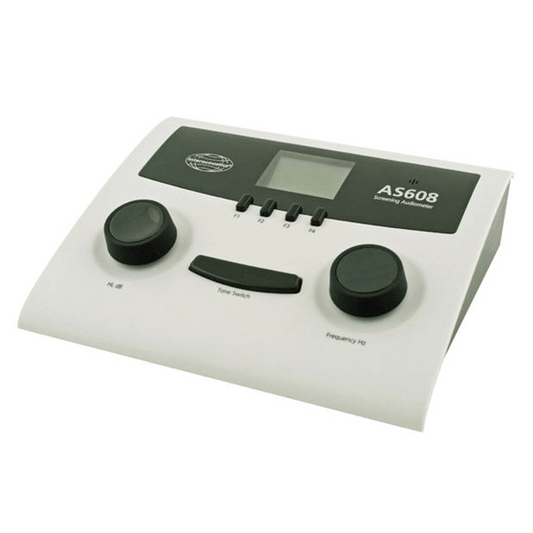
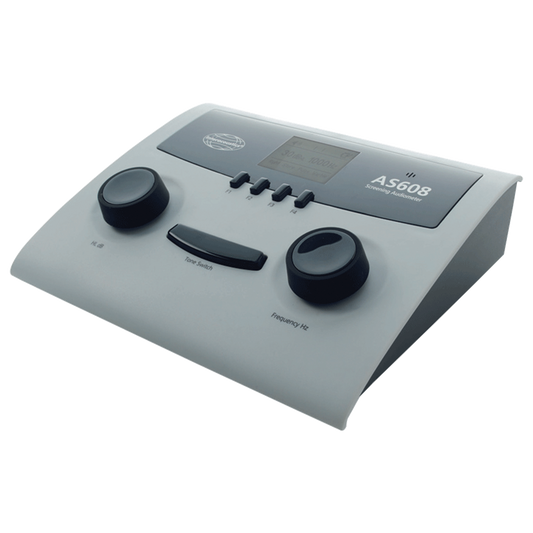
If you work as an audiologist, see patients at an ear, nose and throat clinic or a general practice with a focus on audiology , it’s imperative that you have accurate, specialised equipment. AMA Medical Products stocks a wide range of units from the reputable Danish firm Interacoustics, a leader in the field of audiometry. These premium, feature-rich devices ensure that your clinic is working with the very best, ensuring accurate diagnosis of hearing loss and measure overall hearing acuity.

Offering greater ease of use and efficiency, these PC-based devices offer full control through the accompanying software from any Windows computer. Include one of our Interacoustics tympanometers in your order and ensure you are fully equipped.

Products include portable screening audiometers and handheld tympanometers, for sale at our online store. AMA Medical Products provides these innovative and advanced pieces of technology for highly competitive prices, as this is part of our continued dedication to providing the medical industry with quality technology at affordable rates.

If you have any enquiries about the range of handheld tympanometers and screening audiometers for sale at AMA, feel free to get in contact with our friendly team of staff.

Providing Australian medical practitioners with advanced screening audiometers and more

We are proud to partner with suppliers of some of the most recognisable brands in the market, meaning we can provide diagnostic equipment and medical consumables  from the most trusted and respected manufacturers in the medical products industry. Our e-commerce store offers an extensive range of products for sale, including medical scales and pulse oximeters, and they are offered at competitive prices, so you can get the equipment you need when you need it.

Leaders in innovation

With over 50 years of experience in providing the healthcare industry with state-of-the-art technology, Interacoustics is a trusted and reputable supplier that AMA is proud to partner with. With a focus on the design and manufacture of advanced hearing equipment, Interacoustics has always kept ahead of the market for providing healthcare professionals across the world with technology that is highly functional and simple to utilise.

Contact Us For More Information

Get in touch with our team today to learn more about how we can help with your medical product requirements.  Call us on +61 8 9273 3022 or toll-free on 1800 626 292, fill in our enquiry form, or send us a message today via email at sales@amamedicalproducts.com.au.
Filter and Sort

Filter and Sort

4 of 4 products

Price

The highest price is

$
$
Brand

4 products

FAQ's

Audiology is the branch of healthcare that focuses on diagnosing, treating, and managing hearing loss and balance disorders. Audiologists use specialised tests and equipment to assess auditory function and provide solutions like hearing aids or therapy, improving the quality of life for those with hearing impairments.
Audiologists perform a variety of hearing tests, including pure-tone audiometry, speech audiometry, tympanometry, and otoacoustic emissions (OAE) testing. These tests measure how well the ear responds to sound and help diagnose conditions like hearing loss, tinnitus, and ear infections.
Audiologists diagnose hearing loss by conducting a series of tests to evaluate the ear’s response to sound at different frequencies and volumes. These tests help determine the type, degree, and cause of hearing loss, allowing audiologists to recommend appropriate treatments or interventions.
Hearing aids are small electronic devices designed to amplify sound for individuals with hearing loss. They consist of a microphone, amplifier, and speaker. The microphone picks up sound, the amplifier makes the sound louder, and the speaker delivers the sound into the ear. Hearing aids are customised to suit the severity and type of hearing loss.
Conductive hearing loss occurs when there’s a blockage or damage to the outer or middle ear, affecting the ability to conduct sound to the inner ear. Sensorineural hearing loss occurs when there’s damage to the inner ear or auditory nerve, often caused by aging, noise exposure, or genetic factors. Audiologists use various tests to differentiate between the two.
Preventing hearing loss involves protecting your ears from excessive noise, wearing ear protection in loud environments, avoiding prolonged exposure to high-decibel sounds, and seeking regular hearing checkups. Early detection can help prevent further damage to hearing.
Tinnitus is the perception of ringing, buzzing, or other sounds in the ears without an external source. Audiologists assess tinnitus through a series of tests and may recommend treatments such as sound therapy, counseling, or the use of hearing aids to manage the symptoms.
Symptoms of hearing loss may include difficulty understanding speech, especially in noisy environments, frequently asking people to repeat themselves, the need to turn up the volume on electronic devices, and feeling like people are mumbling or speaking too quietly. If you notice these symptoms, it’s important to consult an audiologist for a hearing test.
A hearing aid fitting involves an audiologist customising the hearing aid to the user’s specific hearing loss, ear shape, and comfort preferences. It ensures that the hearing aid provides the right level of amplification and that the device fits securely in the ear, enhancing its effectiveness.
Yes, audiologists can diagnose and treat balance disorders related to the inner ear, such as vertigo and Meniere’s disease. They may use specialised tests like electronystagmography (ENG) or videonystagmography (VNG) to assess balance and recommend treatment options, which could include vestibular rehabilitation or other therapies.
Audiometry is the process of measuring hearing sensitivity through a series of tests that assess a person’s ability to hear sounds at different pitches and volumes. It is the most common test used by audiologists to diagnose hearing loss and determine its severity and type.
Audiologists play a critical role in newborn hearing screening by using specialised tests to assess hearing in newborns. Early detection of hearing loss in infants is essential for timely intervention, such as the use of hearing aids or early language development therapy.
Audiologists can help children with speech and language development by diagnosing hearing loss that may be affecting their ability to hear and process sounds. Early identification of hearing loss allows for intervention, such as the use of hearing aids or speech therapy, to support language acquisition.
An OAE test measures the sound waves produced by the inner ear (cochlea) in response to sound. This test is often used to screen newborns and infants for hearing loss and can help detect early-stage cochlear damage before hearing loss becomes noticeable.
Audiologists are involved in the evaluation, selection, and fitting of cochlear implants. They assess the patient’s hearing needs, ensure proper implant placement, and provide rehabilitation services to optimise the effectiveness of the cochlear implant and improve speech comprehension.
Audiology plays a significant role in geriatrics by diagnosing and treating age-related hearing loss, a common condition in older adults. Audiologists also help elderly individuals manage tinnitus, balance disorders, and provide guidance on using hearing aids to improve communication and quality of life.
An audiogram is a graphical representation of a person’s hearing ability at different frequencies. It helps audiologists determine the type, degree, and configuration of hearing loss. The results of an audiogram guide treatment recommendations, such as the use of hearing aids or further medical intervention.
Digital hearing aids offer superior sound quality, greater amplification precision, and advanced features like noise reduction and feedback control. They are more adaptable and programmable than analog hearing aids, offering a more customised experience based on the user’s specific hearing loss.
Some types of hearing loss, such as conductive hearing loss, may be treated or improved with medical intervention, surgery, or the use of hearing aids. However, sensorineural hearing loss (damage to the inner ear or auditory nerve) is typically permanent but can be managed with hearing aids or cochlear implants.
Common causes of hearing loss in adults include age-related hearing loss (presbycusis), prolonged exposure to loud noise, ear infections, genetics, certain medications, and medical conditions such as diabetes or hypertension. Regular hearing assessments can help identify the cause and guide treatment.